

Santa Monica Pier’s Water Quality Mystery and New Task Force
Solving the Santa Monica Pier’s Water Quality Mystery for a Cleaner Future at One of L.A.’s Most Iconic Shorelines
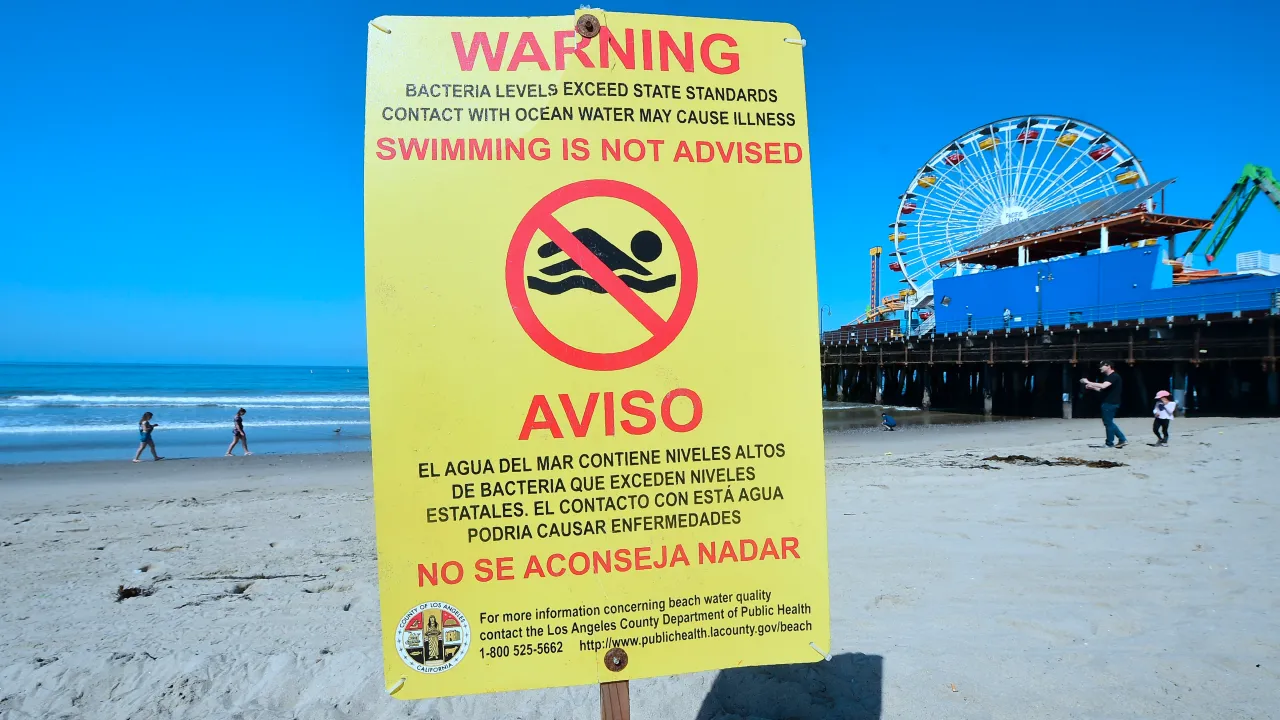
For decades, Heal the Bay’s Beach Report Card has identified the Santa Monica Pier as one of Los Angeles County’s most persistent water quality challenges. Year after year, our scientists have detected elevated levels of fecal indicator bacteria at one of Southern California’s most iconic and heavily visited coastal destinations. Those elevated bacteria levels signal the potential presence of pathogens that can pose a risk to swimmers, surfers, and beachgoers. Although there have been periods of improvement, bacterial pollution has repeatedly returned, revealing just how complex this issue is. That is finally beginning to change.
In partnership with the City of Santa Monica, Heal the Bay is leading the new Santa Monica Pier Water Quality Task Force, a coordinated, science-driven effort to better understand the persistent bacterial pollution at the Pier and develop real, actionable solutions. The Task Force represents a major step forward for public health, coastal protection, and accountability at a shoreline that millions of people visit, enjoy, and depend on each year.
The Santa Monica Pier is more than a landmark. It is a gateway to the Bay, a public gathering place, a driver of the local economy, and a symbol of Southern California’s connection to the coast.
The Santa Monica Pier is more than a landmark. It is a gateway to the Bay, a public gathering place, a driver of the local economy, and a symbol of Southern California’s connection to the coast. In 2023, Santa Monica welcomed an estimated 4.6 million visitors, generating approximately $938 million in economic activity1. But beneath the Pier, the water quality tells a troubling story. Persistent bacterial pollution continues to threaten public health and raises urgent questions about what is entering the water, where it is coming from, and how to stop it.
1 Santa Monica Travel & Tourism. 2023 Economic Impact Report.
Why the Pier Matters
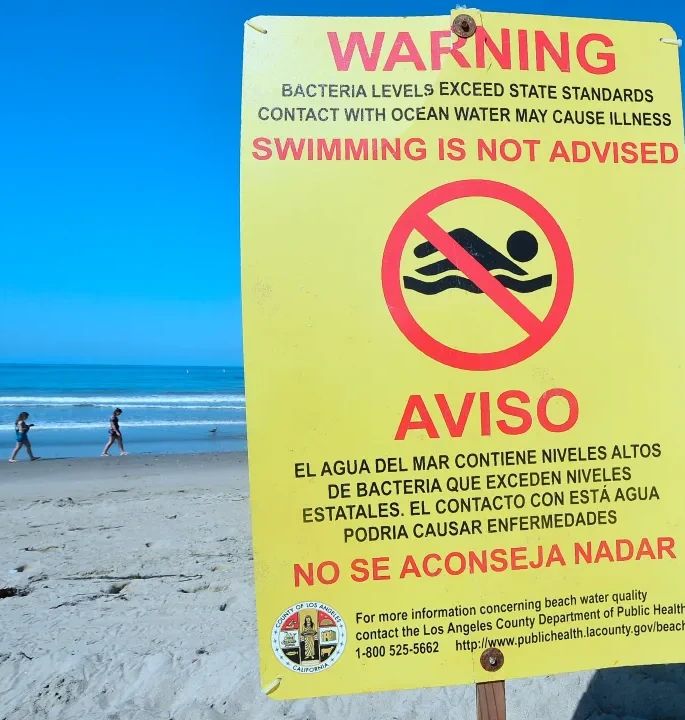
Heal the Bay’s Beach Report Card has tracked coastal water quality for decades, giving the public clear, science-based information about where it is safe to swim. The Santa Monica Pier has remained one of the most persistent problem areas in Los Angeles County, with poor grades during both wet and dry weather.
That matters.
When beaches experience poor water quality after rain, stormwater runoff is often the obvious culprit. Rain washes bacteria, trash, chemicals, and other pollutants from streets and storm drains into the ocean. At the Santa Monica Pier, however, elevated bacteria levels often occur even when it has not rained, suggesting that rain is not the only factor affecting water quality and that another persistent source of pollution may be contributing to the problem. This is particularly concerning because dry weather also brings the highest number of beachgoers into the water, increasing the potential for public exposure.
Without knowing the source, solutions remain reactive. The Task Force is designed to change that by bringing the right people, data, and tools together to identify the problem and move toward long-term fixes.
Why This Matters for Public Health
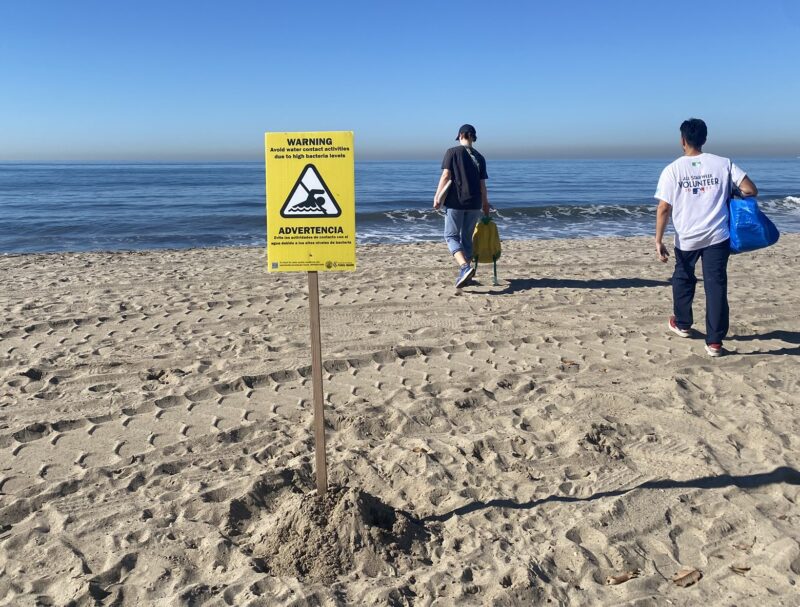
Fecal indicator bacteria are not just numbers in a report. They signal the possible presence of pathogens that can cause illness, including stomach flu, ear infections, skin rashes, and respiratory issues. Families, swimmers, surfers, anglers, tourists, and coastal workers all deserve clear information and clean water.
Heal the Bay’s Beach Report Card and River Report Card were created to help people understand water quality risks and make informed decisions about where and when to get in the water. The Santa Monica Pier Task Force builds on that foundation by going beyond monitoring and public notification. It asks the next critical question: what is causing the pollution, and how do we fix it?
That is the kind of work coastal communities need more of. Monitoring tells us where there is a problem. Source identification helps us solve it.
A Different Kind of Collaboration
The Santa Monica Pier Water Quality Task Force brings together partners who do not always sit at the same table. Heal the Bay is leading this effort in collaboration with the City of Santa Monica’s Office of Sustainability and the Environment, with support and coordination from scientific experts, public agencies, environmental partners, local businesses, and community stakeholders.
The goal is simple but ambitious: use better science, transparent collaboration, and shared responsibility to identify the sources of bacterial pollution and develop a practical action plan.
Key partners include Heal the Bay, the City of Santa Monica, academic and scientific experts from local institutions (including UCLA and USC), the Santa Monica Bay Restoration Commission, community and nonprofit partners such as Save the Waves Coalition and the Santa Monica Pier Corporation, and coordination with the LA County Safe Clean Water Program. Pier businesses, local hotels, and community members will also be important voices in the process to ensure that recommendations are practical, visible, and rooted in the needs of the people who live, work, and recreate along the coast.
This is not another study meant to sit on a shelf. The Task Force is being built around investigation, analysis, public communication, and action.
The Science Is Already Underway
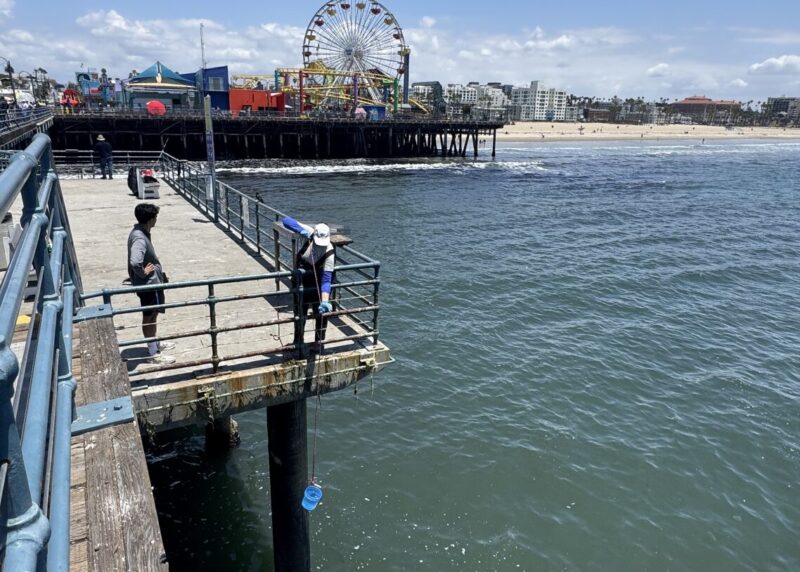
The work has already begun.
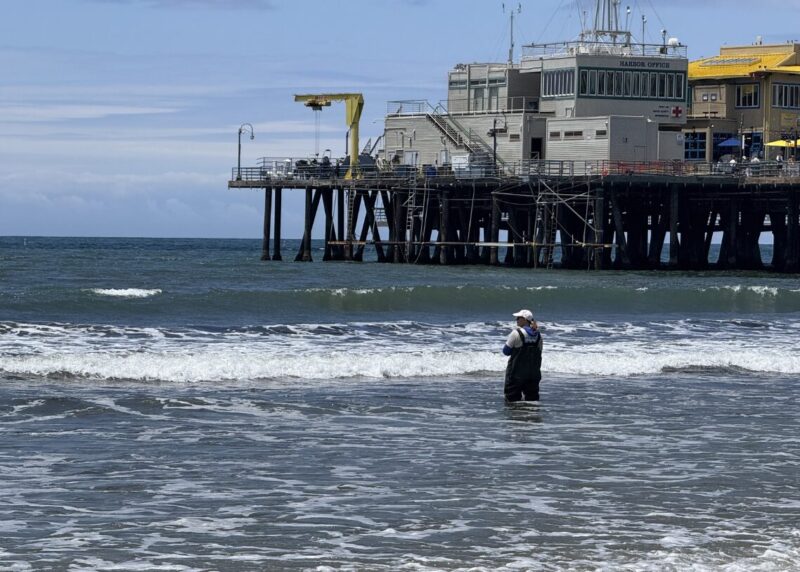
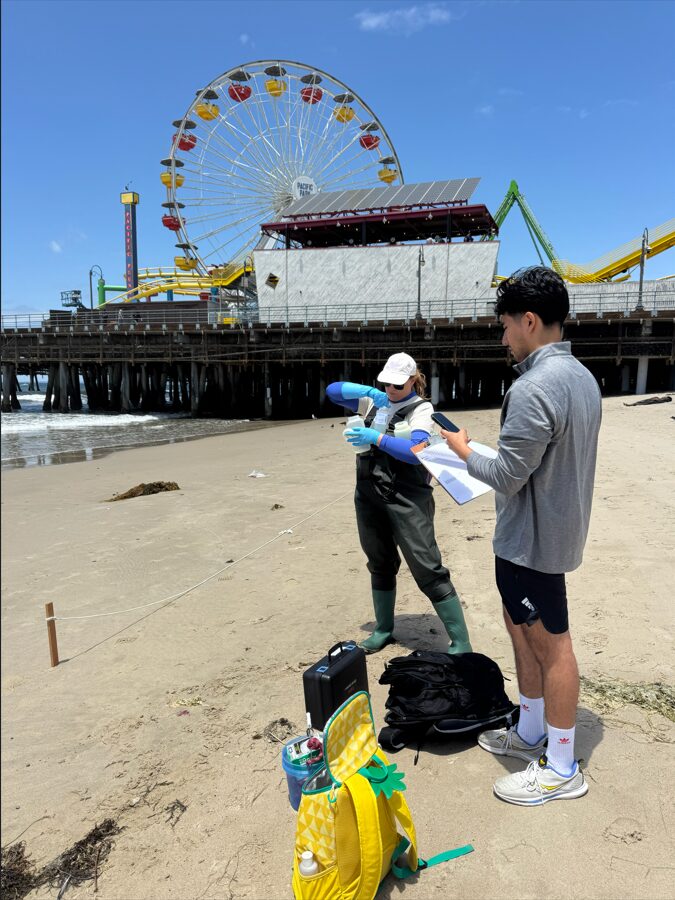
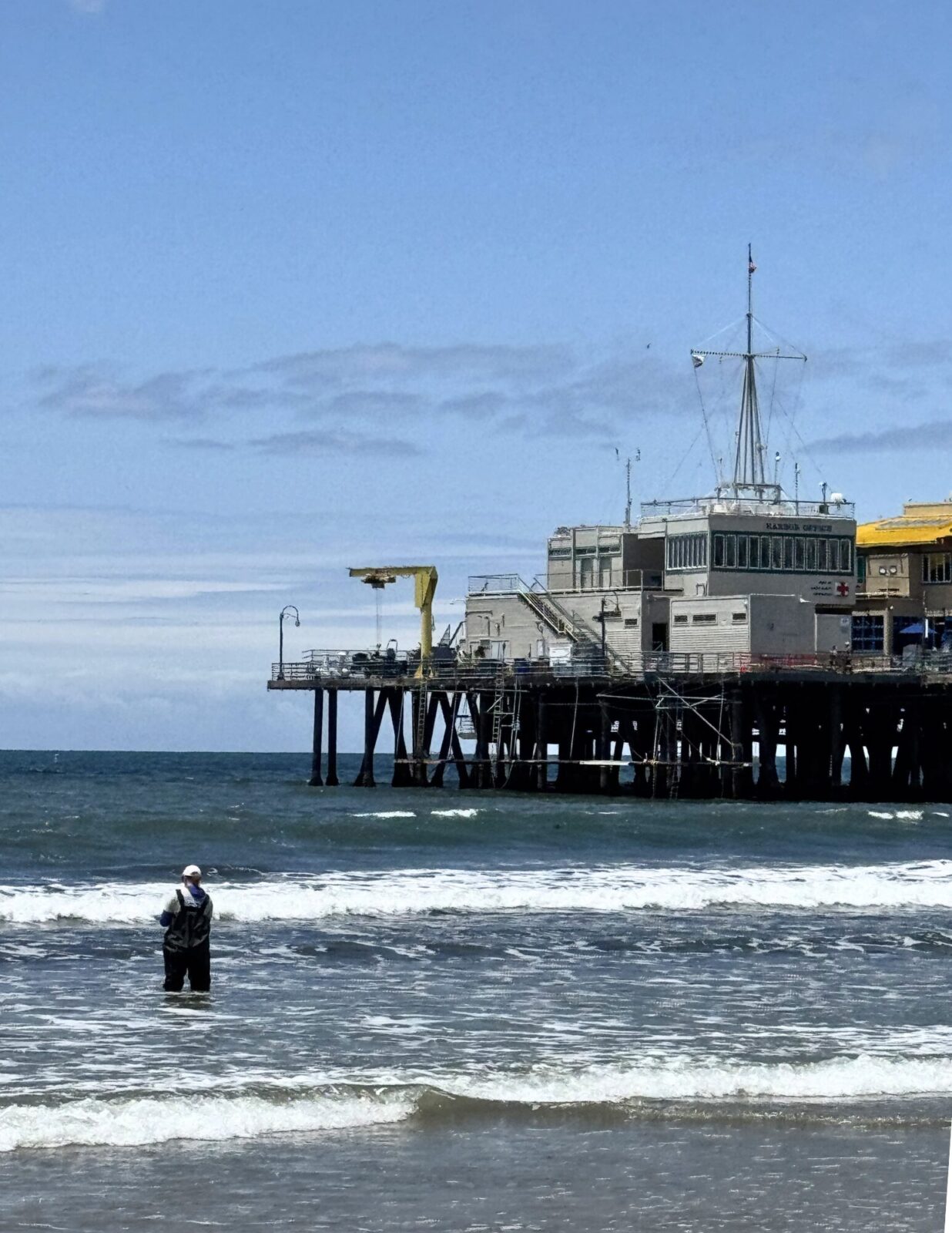
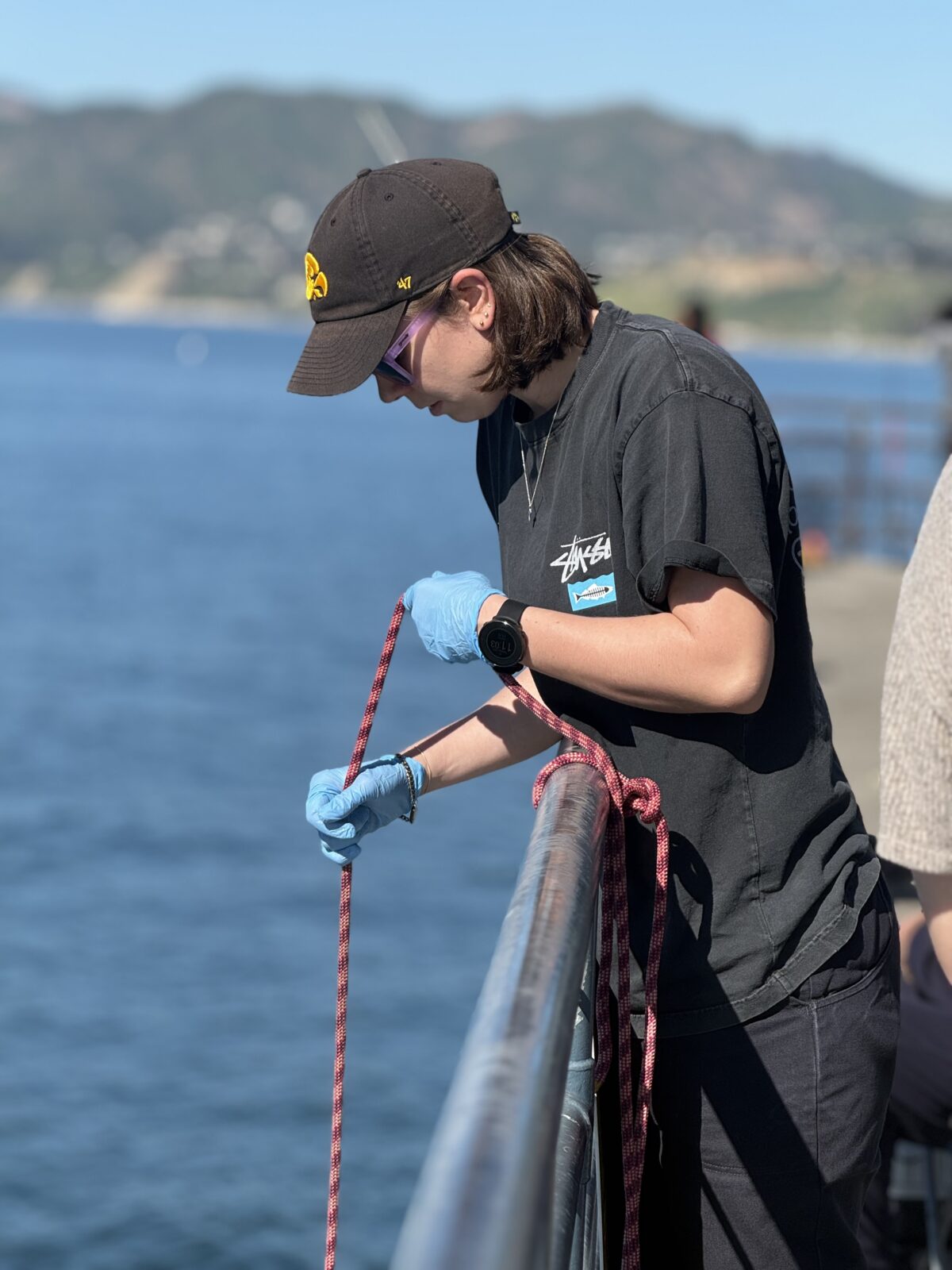
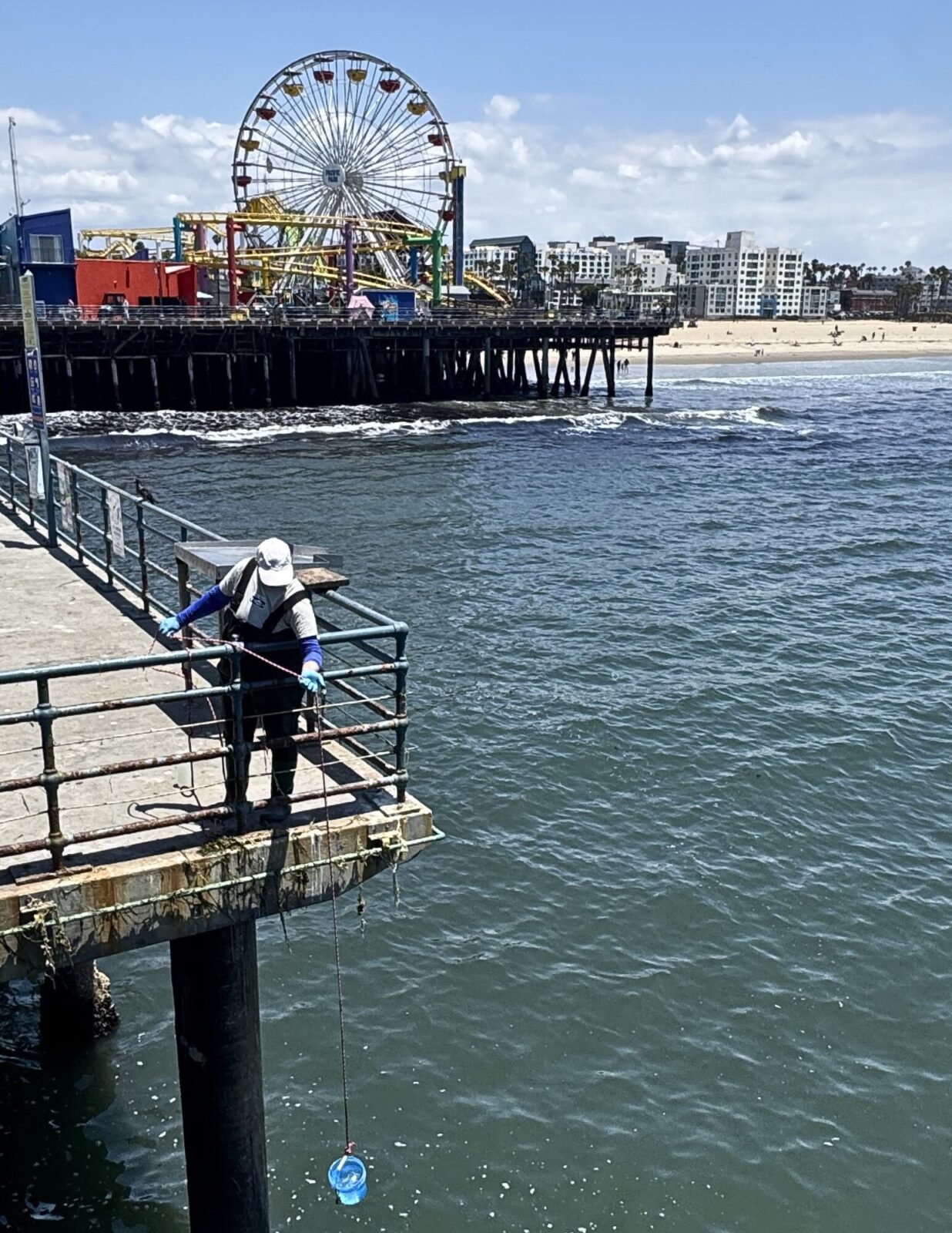
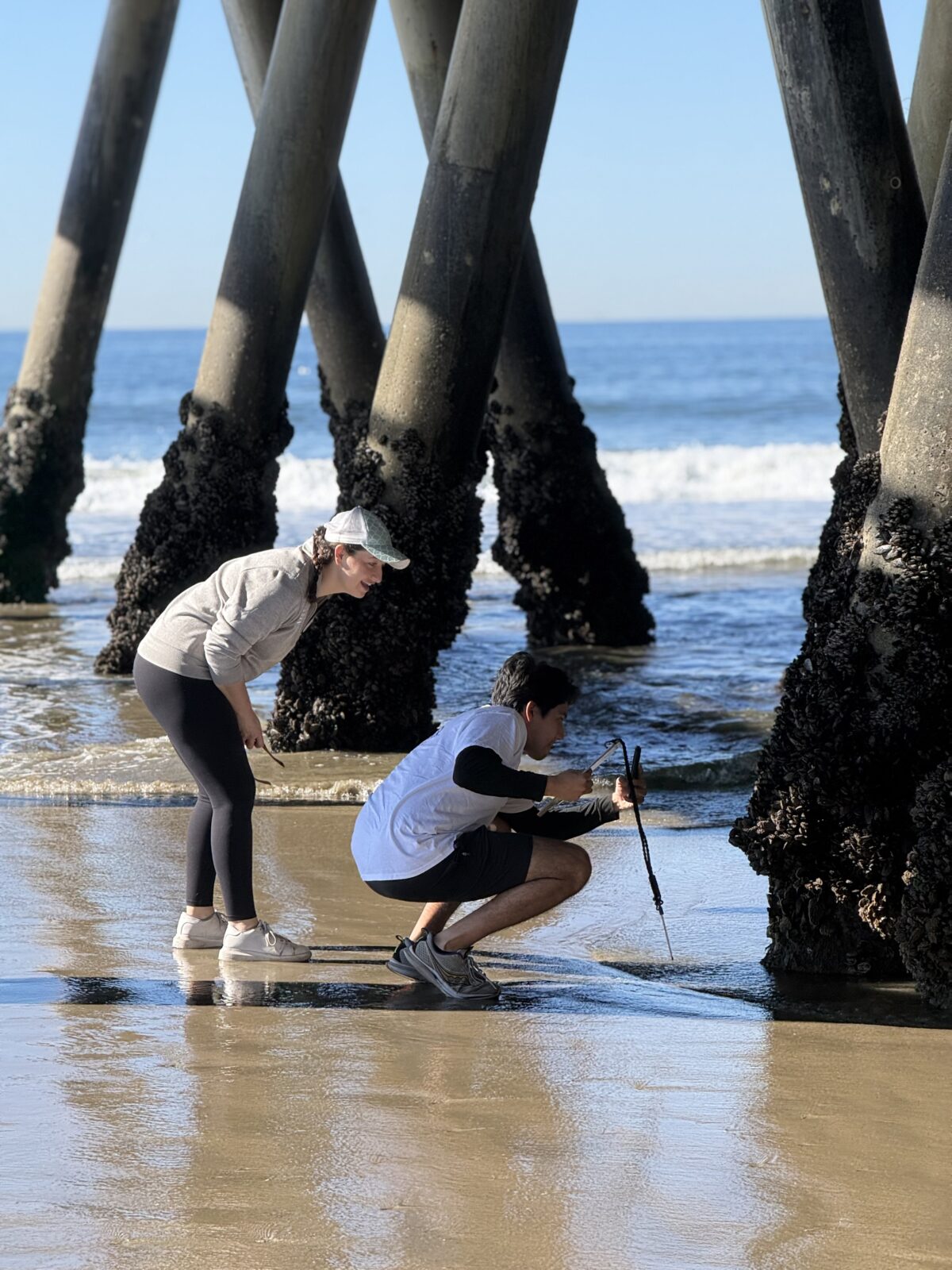
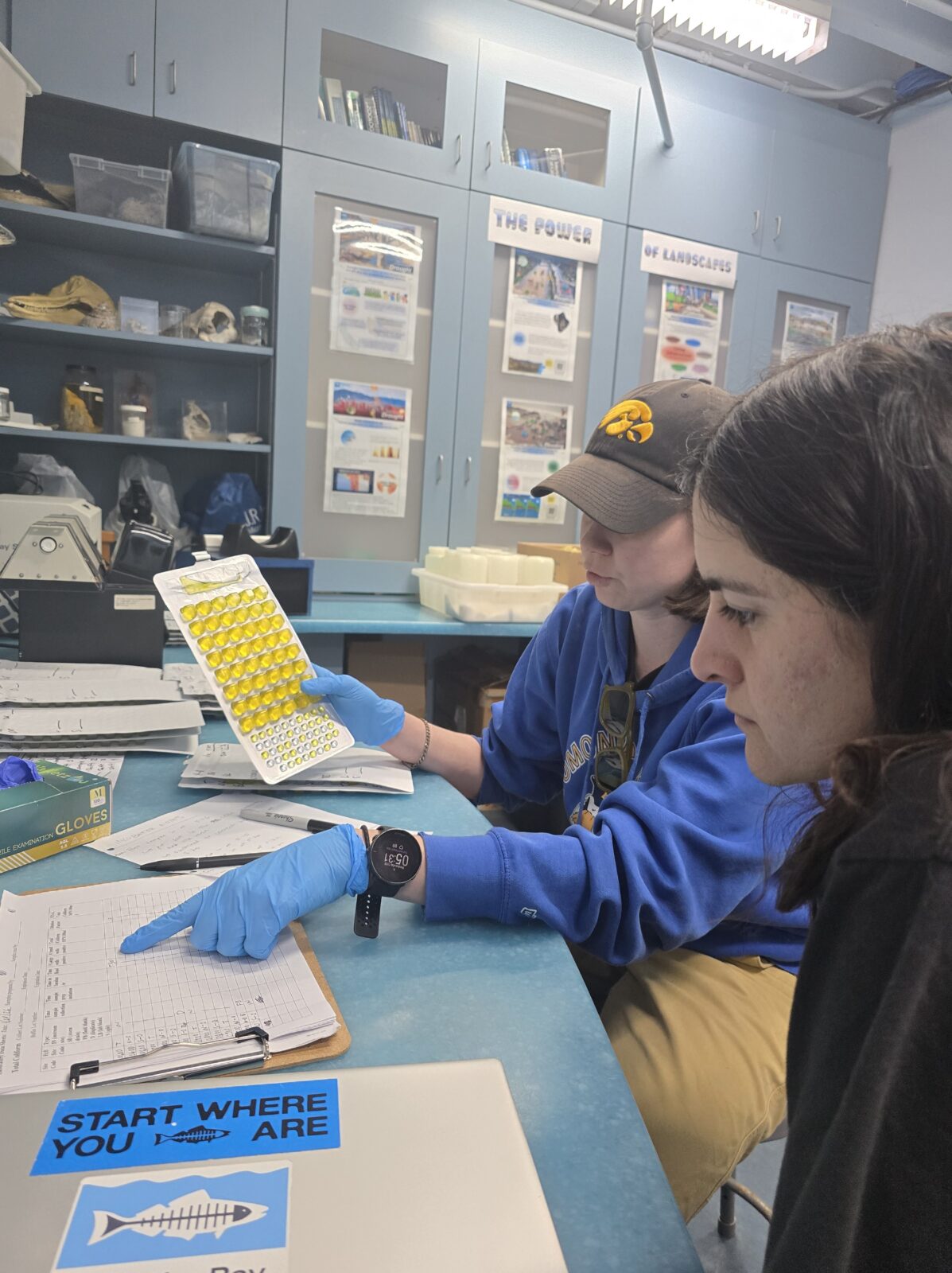
Before daybreak on January 27, 2026, Heal the Bay scientists launched an intensive 16-hour sampling effort at the Santa Monica Pier. From sunrise to sundown, our team walked more than 15 miles back and forth along the Pier collecting water samples every hour at three separate locations. Lab analysis continued late into the night and over the following two days.
This kind of detailed, targeted sampling is essential because bacterial pollution can shift throughout the day and vary from one location to another. By collecting data across time and space, scientists can better understand patterns that routine monitoring may miss.
The Task Force is building on decades of Beach Report Card data, previous investigations, and scientific research to better understand the factors contributing to poor water quality at the Santa Monica Pier. Using advanced microbial source tracking and other scientific tools, researchers can identify whether bacteria are more likely coming from human, bird, or other animal sources. Understanding where the bacteria originate is essential to developing targeted, science-based solutions that improve water quality and protect public health.
What the Task Force Will Do
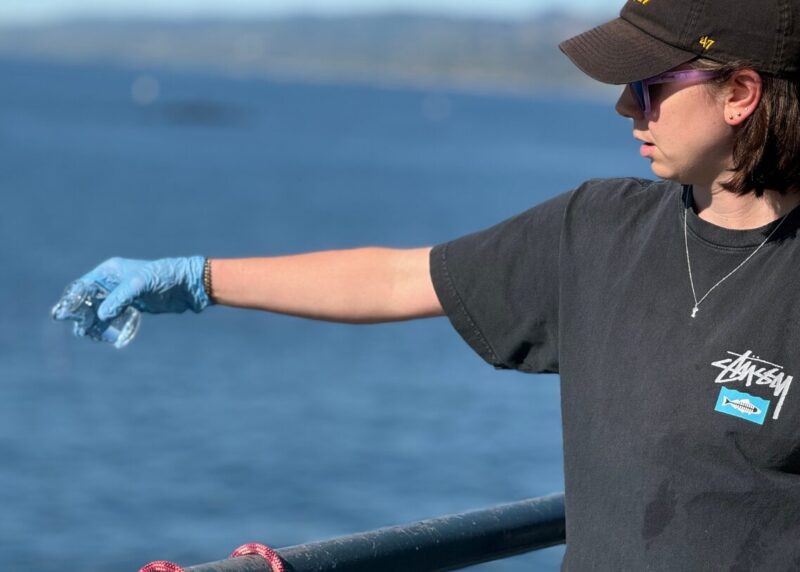
Over the next five years, the Task Force will build upon decades of scientific monitoring, previous investigations, and infrastructure investments to better understand the persistent sources of bacterial pollution at the Santa Monica Pier and develop science-based recommendations for long-term improvement.
The work will include:
- Reviewing historical water quality data, past studies, and previous infrastructure improvements
- Building on existing monitoring efforts with additional targeted water quality sampling
- Evaluating historical and scientific data to better understand persistent pollution sources
- Using advanced microbial source tracking and other scientific tools to identify likely sources of bacteria
- Assessing the effectiveness of existing pollution control measures and identifying opportunities for improvement
- Developing science-based recommendations to support long-term water quality improvements and protect public health
The ultimate goal is to move from uncertainty to action. During Fall 2026, the Task Force is expected to release a comprehensive public report that outlines water quality trends, likely sources of pollution, and recommended solutions. Public health will remain the top priority.
These findings will also inform Heal the Bay’s future Beach Report Cards and support long-term accountability at the Pier.
A Stronger, More Accountable Future for the Pier
The formation of the Santa Monica Pier Water Quality Task Force is an important organizational milestone for Heal the Bay and a major opportunity for the region. For decades, the Pier’s poor water quality has been a known problem. Now, there is a coordinated process to better understand the source of that pollution and build a plan for action.
This effort reinforces Heal the Bay’s role as both a scientific authority and an environmental watchdog. We are bringing data, transparency, advocacy, and public communication together to protect public health and push for long-term solutions.
The Santa Monica Pier belongs to all of us. It is a place where people fish, swim, surf, work, visit, and connect with the ocean. It should also be a place where clean water is expected, protected, and prioritized.
The Task Force is a big step toward that future.
Heal the Bay will continue to share updates as this work progresses. In the meantime, you can stay informed about current water quality conditions by visiting Heal the Bay’s Beach Report Card website or downloading the Beach Report Card app, which provides the latest beach water quality grades and swim advisories to help you make informed decisions before heading to the coast. Together, these tools and the work of the Santa Monica Pier Water Quality Task Force support our ongoing commitment to protecting public health and improving water quality for everyone who enjoys our beaches.
Inside the Effort to Protect Our Coastal Waters: A Visual Journey
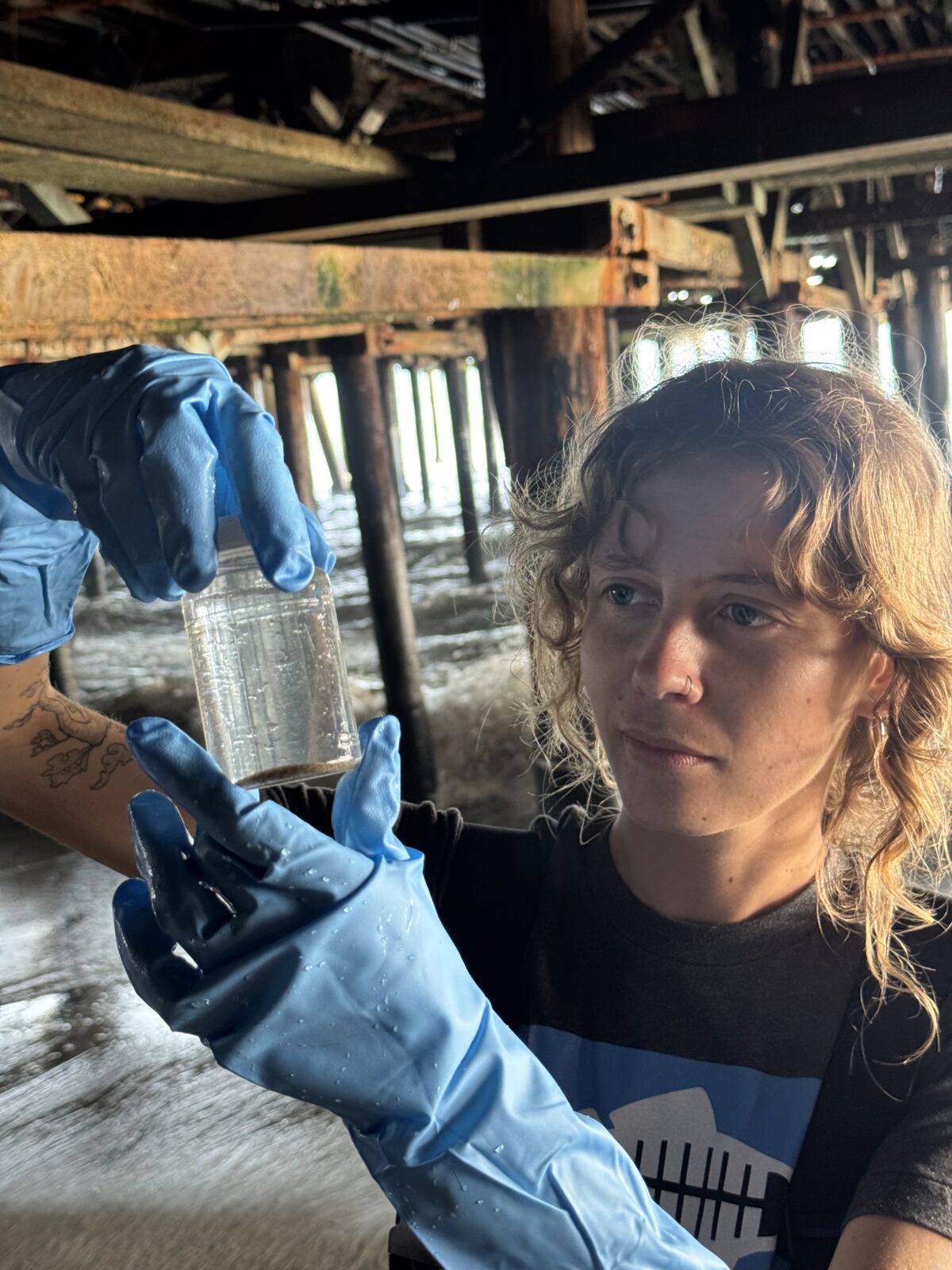
Go behind the science with our team in this visual journal, documenting the research, collaboration, and ongoing efforts to better understand and protect Santa Monica Pier’s water quality.

Want to learn more and stay connected? Support the frontline science, advocacy, and education that protect our coast, and follow along as we continue this important work.