
What are Heal the Bay scientists actually finding in the water one year after the Palisades Fire? Our post-fire coastal sampling and testing continue, with support from our partners at UCLA.
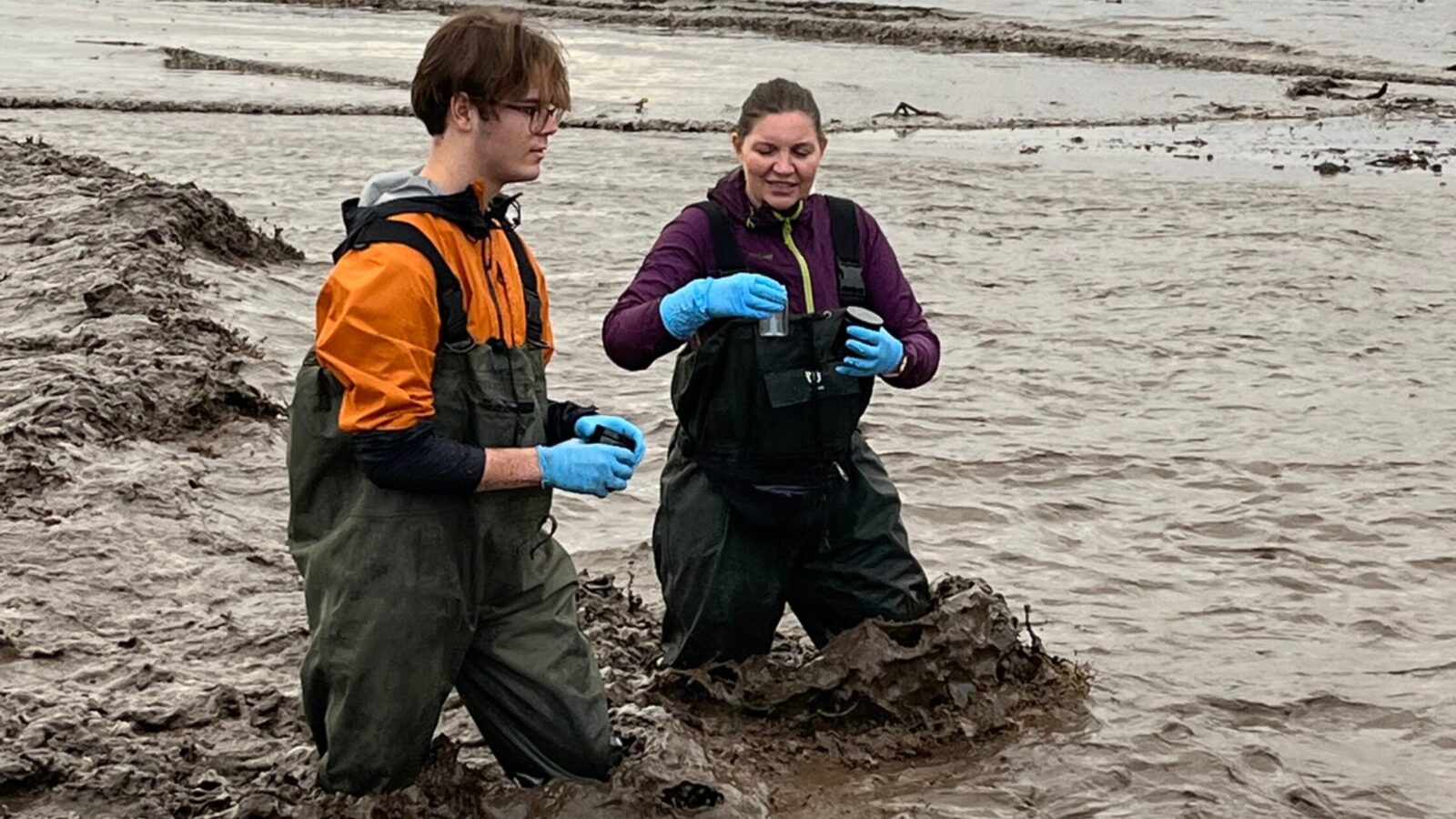
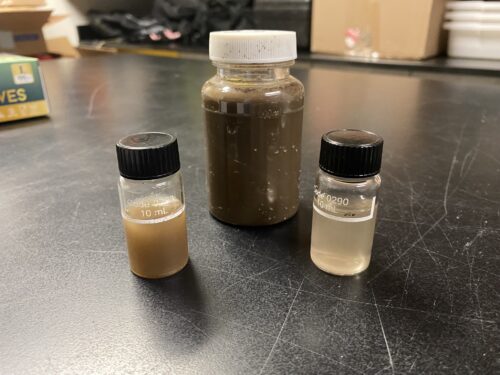
During the final days of a major rain event (December 23–26, 2025), Heal the Bay’s Water Quality team collected water samples on December 26 from creeks and beaches within the Palisades burn zone. The water’s color and texture immediately signaled severe runoff impacts.
While UCLA is analyzing these samples for heavy metals and other pollutants of concern, Heal the Bay scientists measured turbidity in our lab, a measure of how cloudy water is due to ash, dirt, and debris. The levels we found were extremely high. While turbidity doesn’t measure toxicity, it tells scientists that conditions are likely causing contaminants to move.
Below are the turbidity levels found by Heal the Bay from water samples collected on December 26th:
📍 Topanga Beach: 1,788 NTU
📍 Topanga Creek: 1,199 NTU
📍 Will Rogers Beach (Rustic Canyon): 1,502 NTU
📍 Rustic Canyon Creek (below confluence): 2,617 NTU
📍 Rustic Canyon Creek (above confluence): 3,733 NTU
For context, on December 12, 2025, during dry weather, these same waters measured below 5 NTU, which is typical for clear water. Readings between 1,000 – 4,000 NTU are extremely high and signal severe runoff impacts.
Why does this matter?
After a wildfire, vegetation that normally stabilizes soil and filters runoff is lost. Even a year after the wildfires, rain can rapidly wash ash, sediment, and debris into creeks and the ocean. High turbidity water can transport pollutants, harm aquatic life, clog fish gills, and block sunlight that marine ecosystems need to survive.
This research is ongoing. Additional samples are now being analyzed by UCLA for nutrients and heavy metals — a complex process that can take months. Heal the Bay will continue to share findings as results become available and keep the public informed as the science develops.
Donate today and help us protect what you love in 2026.