
Top

Heal the Bay Blog

Author: Heal the Bay

Last month’s Earth Day beach cleanup in Santa Monica was a huge success, with 1,400 volunteers picking up 320 pounds of trash. Getting all the cleanup supplies to the beach was made so much easier with the help of our new friends at Buddytruk, a  smartphone app. Thanks to Tim Kolenut for reaching out, and offering up his trucks to transport 200 buckets and other cleanup supplies to the Earth Day cleanup.

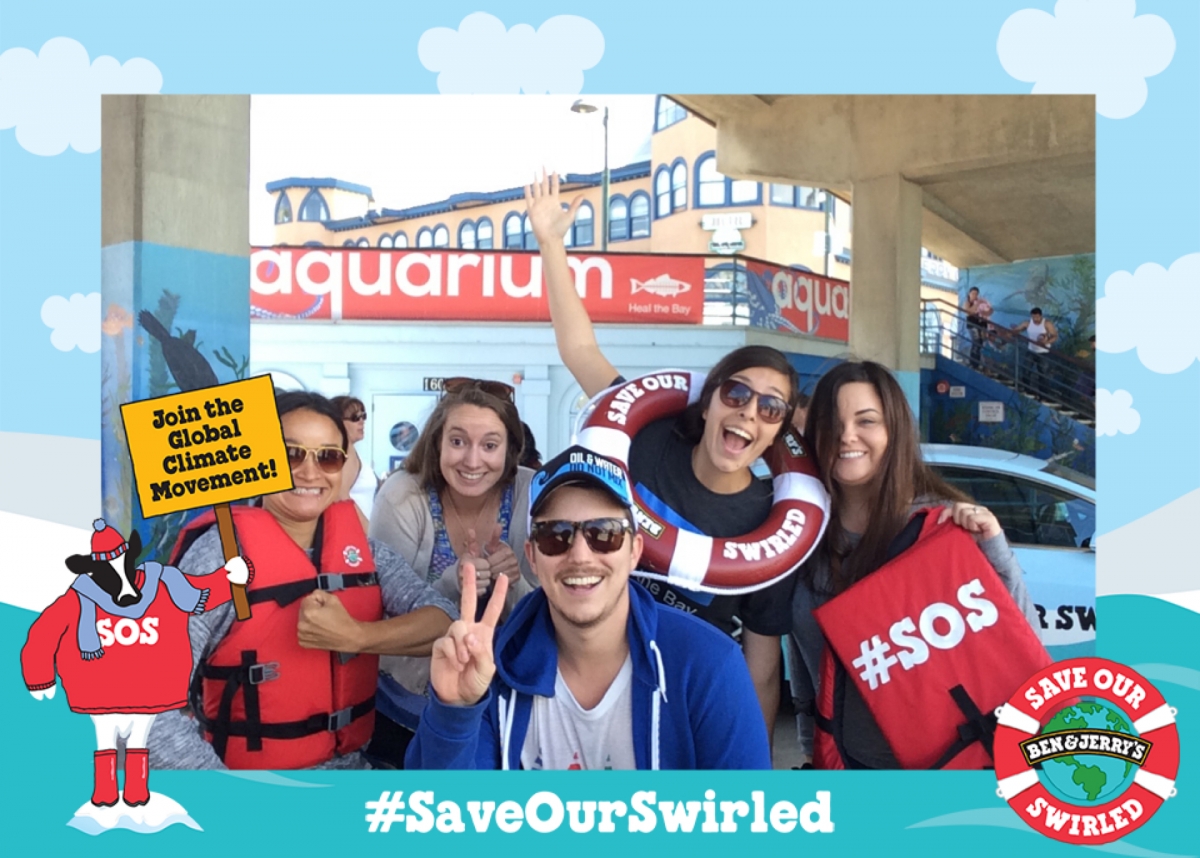
Who doesn’t like free ice cream? Ben & Jerry’s pulled up next to our Santa Monica Pier Aquarium on a recent Friday afternoon, scooping out cups of ice cream and encouraging all to sign a petition on climate change and the need for clean energy. Their solar-paneled truck wrapped with Ben & Jerry’s signature cows and a similarly adorned Tesla provided a win-win-win situation: education on climate change, attention for our amazing aquarium and delicious free ice cream.

And last but not least, thanks to Abigaile Restaurant in Hermosa Beach for hosting our Heal the Bay/Surfrider No on O thank you event. Greg Simons and his staff were most generous in accommodating our April 21 victory party.

Heal the Bay staff are preeeetty psyched about the free scoops!


Heal the Bay is synonymous with the ocean. We surf it, we swim it, we dive it, we fish it, and we work day in and day out to make it cleaner, healthier and more productive for Southern California. But the ocean is just part of the picture: Our local wetlands, endangered and often overlooked, play a critical role in L.A.’s complex water story. Heal the Bay is proud to announce the next chapter in the goal of restoring these vital ecosystems.

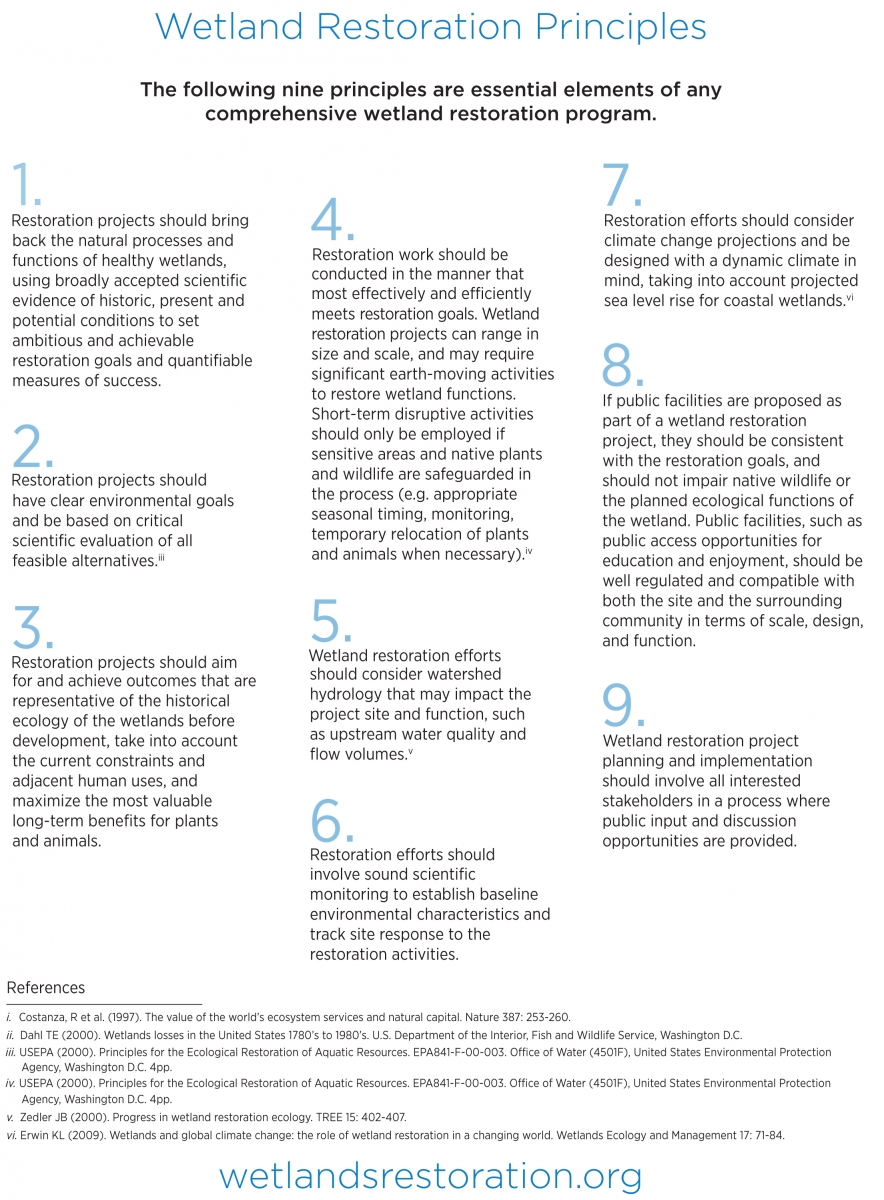
The Wetland Restoration principles

Heal the Bay has been steadfast in advocating for the protection and restoration of wetlands in the region. We supported the recently completed restoration project at Malibu Lagoon to improve its circulation, water quality and habitat. And now, various plans are currently being considered for the restoration of the Ballona Wetlands, a unique expanse of open space wedged between Playa del Rey and the Marina. Heal the Bay will carefully review a draft Environmental Impact Report, slated for release this winter, to determine which alternative we think will best bring back a thriving wetland ecosystem.

To aid with this decision, Heal the Bay, along with a coalition of partners from Friends of Ballona Wetlands, L.A. Waterkeeper and Surfrider Foundation, will look to the Wetland Restoration Principles—a comprehensive, scientific set of guidelines developed by coalition members over the last year. This nine-tenet protocol establishes clear, practical guidelines for wetlands restoration projects in Southern California and beyond.

Scroll down or click for a downloadable, printable PDF of the Wetland Restoration Principles.

 A brief history of wetlands in L.A.

Wetlands, as the name suggests, are areas of land partially covered by water. Their value is incalculable: They provide nursery, shelter and feeding grounds for fish and wildlife, purify water through filtration of pollutants, recycle nutrients, and act as a buffer against the impacts of climate change by storing carbon from the atmosphere and protecting us from extreme weather. Unfortunately, as a result of urbanization, the channelization of natural waterways (the L.A. River being a prime example) and the impacts of pollution and invasive species, over 95% of Southern California’s wetlands have been lost. Those few that remain, like the Ballona Wetlands, have been greatly degraded and reduced in size. Under constant threat from human activity, the need to restore our remaining wetlands is urgent and essential.

By creating the user-friendly, open-source Principles of Wetland Restoration document, we hope to make the future of these vital ecosystems a little less murky.


Wetland Restoration Principles

Want to keep tabs on wetlands restoration efforts in your neck of the woods?
Click below to join our mailing list.

Wetland Restoration Principles signup


The Wetland Restoration Principles were developed in collaboration with the following partner organizations:


Guess what month it is?

That’s right, April is Earth Month! Heal the Bay’s got you covered with a roster of volunteer opportunities and events happening at the beach, our Santa Monica Pier Aquarium and all around the Southland. Join us!


Earth Month Nothin’ But Sand Beach Cleanup

Do you like trashy beaches? Neither do we! Everyone’s invited to lend a hand (or two) this Saturday to join our amazing group of volunteers helping keep our beaches clean. Participants earn free admission to our Aquarium that afternoon.

When: Saturday, April 18th, 10am-12pm
Where: Santa Monica Beach at the end of Ocean Park Blvd, 2600 Barnard Way, Santa Monica


Earth Day Celebration at Santa Monica Pier Aquarium

After participating in the beach cleanup, mosey on up to our Aquarium under the Pier–you’ve earned free admission for the day! Featuring hands-on activities, demonstrations and an all-new exhibit, it’s a great way for the whole family to conclude their morning of volunteering.

When: Saturday, April 18th, 11am–5pm
Where: Santa Monica Pier Aquarium, 1600 Ocean Front Walk, Santa Monica (under the Pier carousel)


Communicating Climate Change: Professional Development Workshop

Where do you fit into the climate change conversation? The USC-Sea Grant and Heal the Bay will be hosting the Department of Water Resources (DWR) Climate Change Team for this educational event at the University of Southern California. Come learn about Project WET and see what’s being done to address the effects of climate change on California’s water supply.

When: Saturday, April 25th 8:30am-4:30pm
Where: USC, 3616 Trousdale Pkwy, Alan Hancock Building AHF 252, Los Angeles CA 90089


Other volunteer opportunities throughout L.A.

Heal the Bay is invited to many community events throughout the greater Los Angeles areas that allow us to reach hundreds of coastal and inland community members. With the help of amazing volunteers like you, we are able to spread our message all throughout the county.
Click here for a calendar listing of outreach events

What else can you do?

5 Earth Month Tips for Greener Living 

  • Go meatless at least one day a week. Did you know that nearly half of the average Californian’s water footprint comes from eating meat and dairy products? It takes 7.7 cubic meters of water to produce one pound of beef–that’s like 77 baths!
  • Use water-saving appliances at home. Don’t waste water while you lather in the shower! Families using appliances like a showerhead with a WaterSense label could save as much as 2,900 gallons a year. Angelenos: There could be rebates in it for you…
  • Test your toilet! Add some dye or food coloring to your toilet tank so you can see leaks and potentially save wasted gallons (and dollars) on your next water bill. 
  • Get a reusable water bottle. Americans use an average of 50 billion plastic bottles a year, most of which end up in landfills or littering our environment. You can significantly cut down on your plastic waste and save money on bottled water by purchasing a refillable drinking bottle for about $10.  
  • Become a Heal the Bay monthly member. Celebrate the 30th birthday of Southern California’s most effective by becoming a member this Earth Month. We welcome contributions of any size!


Gov. Brown took a bold and necessary action to restrict California’s water use, writes Heal the Bay vp Sarah Sikich. But there’s much more to be done.

April 2, 2015 —

– See more at: https://healthebay.org/blogs-news/scoring-gov-browns-urgent-drought-directive#sthash.dJaX6i7D.dpuf

Gov. Brown took a bold and necessary action to restrict California’s water use, writes Heal the Bay vp Sarah Sikich. But there’s much more to be done.

April 2, 2015 —

– See more at: https://healthebay.org/blogs-news/scoring-gov-browns-urgent-drought-directive#sthash.dJaX6i7D.dpuf

Heal the Bay VP Sarah Sikich reports from Sacramento on a tremendous victory for the health of California’s waterways. Read on for details about the state’s brand-new Trash Policy, for which Heal the Bay has been advocating for years.

April 8, 2015 – The State Water Resources Control Board made history this week by unanimously adopting the first statewide Trash Policy in the nation. This groundbreaking legislation will prohibit the dumping of trash into state waters, protecting thousands of miles of California’s waterways and coastline. The policy is based largely on pollution limits Heal the Bay helped advance for the Los Angeles River and Ballona Creek over a decade ago, which have kept millions of pounds of trash from entering our local waters. Along with the many other local actions taken throughout the state to prevent the scourge of plastic pollution, this policy is a huge step forward in the campaign for a cleaner, bluer California.

Why was pursuing this policy a priority for Heal the Bay? For three primary reasons: Litter blights our communities, threatens aquatic life and is staggeringly expensive for cities and counties to clean up. A USEPA report estimates that West Coast communities spend over $520 million each year to clean up and prevent trash from reaching our waterways. A new study published in February 2015 estimated that in 2010 alone between 4-12 million metric tons of plastic washed into the world’s oceans–enough to cover every foot of coastline worldwide. This amount of plastic is predicted to increase tenfold by 2025.

Where is all this trash coming from? It’s estimated that up to 80% of the garbage polluting our oceans comes from inland. California’s new Trash Policy will require municipalities to tackle this problem in one of two ways: Either by installing trash capture devices throughout the stormdrain system or by implementing other trash elimination programs or projects (e.g., banning foam food containers, street sweeping or litter prevention education). Municipalities that opt for the latter approach will need to monitor their efforts to demonstrate the necessary trash reductions, and local governments have a maximum of 10 years to comply with the policy.

Although some local government officials complained about these new regulations, the policy enjoyed strong business and environmental support. Heal the Bay will continue to help cities and counties across California comply with the policy by encouraging source control options for the pollutants most prevalent in the litter stream, like polystyrene foam food containers, bottle caps and cigarette butts. We will also help local governments find creative ways to fund stormwater pollution prevention projects that address trash and other pollution issues, like bacteria and metals pollution.

Heal the Bay has been working with the State Water Board on this landmark Trash Policy for over five years, including serving on its public advisory committee. We’ve worked in close partnership with California Coastkeeper Alliance, Seventh Generation Advisors, Clean Water Action, NRDC, Algalita Marine Research Foundation and others to bring this policy to Sacramento. We’re incredibly grateful to State Water Board Chair Felicia Marcus, Vice Chair Fran Spivy-Weber and Board Members Tam Doduc, Steven Moore, and Doreen D’Adamo for their leadership on this issue. And a special thanks to Heal the Bay members and supporters who’ve signed countless petitions and sent letters and emails to state officials urging the adoption of this policy. Local activism works!


How else could $1.37/day last forever?

  1. Heal the Bay protects our ocean. This party protects Heal the Bay. 
  2. The dance floor is made of sand, so if you fall, no bruises.
  3. There is a red carpet. Except it’s blue. Like the ocean. So you can basically walk on water.
  4. Proceeds help us improve water quality, care for animals at our Aquarium and educate thousands of kids each year.
  5. We helped defeat Big Oil in Hermosa Beach in March. So yeah, we’re as ready to party as you are.
  6. There are things that will happen, wild and crazy things, but we can’t tell you what they are.
  7. The bar is of the open variety. (Insert “drink like a fish” joke here.)
  8. You can have a conversation with a Veep one moment and a King the next.
  9. It’s not a stuffy ballroom at the Century Plaza or Beverly Hilton!
  10. Front row seats to a Santa Monica sunset.
  11. Over 100 fabulous items on the auction block, including a new Prius.
  12. There’s a drought. Drink Golden Road beer.
  13. Shorts on the bottom and tux on the top? No problem!
  14. You might open a new account over apps, or close a big deal over dinner.
  15. Thursday is the new Friday.
  16. Mmmmmmm…fruity cocktails!
  17. Get lost in the crowd and steal a very cool silent auction item from your friend at the last minute.
  18. There WILL be tequila this year.
  19. There WILL be a life-size whale this year.
  20. A $500 ticket works out to $1.37 a day. Small price to pay for a non-toxic Bay.
  21. You might bump into an elected official and tell her/him what you really think.
  22. Zamboni ride at the Staples Center, anyone?
  23. Green light to gawk at some Beautiful People who actually understand and care about the ocean.
  24. The auctioneer is even better than that Micro Machines guy.
  25. Hotpoint, our favorite new media startup, will be distracting everyone from the sunset with their amazing video booth.
  26. You could win a date with a Victoria’s Secret model. For real.
  27. No rubber chicken. Promise.
  28. Network in the sand, Silicon Beach-style.
  29. The event sells out every year, so don’t dilly-dally.
  30. Mmmmmmm…more fruity cocktails!


Summer’s in full swing and the kids are voicing that all too familiar mantra: “what can I do? I’m bored!” Parents, don’t panic; we’ve got this one. Sign your kids up to enjoy some summer fun at our Santa Monica Pier Aquarium’s Science Adventures Camp.

Weeklong sessions provide kindergarten through fifth graders with fun-filled days with the fishes – and eels, sea horses and jellies – plus too many other species local to the Santa Monica Bay to name. Campers enjoy exclusive time in the Aquarium, plenty of interaction with live animals, and a week’s worth of games, crafts and laboratory practices. A different marine-themed topic is explored each day.

Whether they’re in it for the science, the animals or the beach culture, this camp is a fun, educational experience for all. It’s just enough science for a summer day! Sign up early to guarantee a spot in this popular program.


An organization is only as strong as its foundation – and our foundation is made up of amazing volunteers, partners, and supporters.  We’d like to thank Heal the Bay’s very own “lucky charms” who helped make our St. Patrick’s Day-themed Volunteer Party last week truly memorable.

Thanks to Bodega Wine Bar for hosting; the food was superb, the staff welcoming, and the special green drinks created exclusively for the party – the “sea kelptini” and “luck of the Super Healer” — were a big hit.

Hotpoint’s video booth had everyone giggling and creating funny videos, and the Frozen Yogurt and Dessert Bar, a local mom and pop shop, satisfied everyone’s sweet tooth.

Local businesses that donated raffle items included REI, Patagonia and Pacific Park, along with gift cards from Yogaworks, Pono Burger and Kippy’s Ice Cream.  Photographer Michael Kriskovic captured the night in pictures.

And finally a big thanks to those who made the unforgettable decorations: Jennie Ledesma and family, Noriko Niwa, Chloe Wisdom, and Sheana Penley. Bodega liked its holiday-themed creations so much that staffers kept them up for Saint Patrick’s Day.

On another note, our branded merchandise offerings received a boost recently. We’re very grateful to Bob and Karen Hopper for donating dozens of high quality beach towels to be embroidered with our logo. Stay tuned – they’ll be for sale at a tabling event near you soon! 

Photo by Michael Kriskovic


Marketing/Communications Intern Darrin Moret got a behind-the-scenes peek at the Santa Monica Pier Aquarium’s newest exhibit. An LMU class of ’13 alumnus, Darrin is a writer and enjoys the beach, surfing and travel. 

Close-up of moon jelly at Santa Monica Pier Aquarium

There’s more to see than what meets the eye at the Santa Monica Pier Aquarium these days. It’s the little guys that are the stars of the show at “Catch of the Day”—a refreshing new exhibit utilizing cutting-edge digital imaging technology to shine the spotlight on some of the Bay’s smallest critters. Tanks filled with sea stars, snails, hermit crabs and California killifish now await visitors along with the Aquarium’s more established eel, ray and shark residents.   

This dynamic exhibit highlights species of local marine life often overlooked in traditional aquarium displays, using a high-definition digital microscope camera and monitor to allow patrons to view these creatures at a level of detail not possible with the naked eye. “You really get a close look at little things most people miss,” says José Bacallao, the exhibit’s designer and the Aquarium’s Senior Aquarist and Operations Manager.

Aquarist Akino Higa shows off the new exhibit at Santa Monica Pier Aquarium

While small, many of the species featured in the exhibit form an integral part of the food web in the local marine ecosystem. Some of the fish that may be found in the tanks, including juvenile black surfperch, are important gamefish that support a thriving recreational fishery and are commonly caught by anglers off the Santa Monica Pier.  

Nestled under the Pier’s wooden deck and beneath the historic carousel, the Santa Monica Pier Aquarium could easily be missed by anyone visiting the more conspicuous attractions topside. However, for those who make it inside, this aquarium provides a unique opportunity to learn more about the marine ecosystem that thrives just offshore. Patrons young and old take delight in getting an up-close look at horn sharks in an open-top tank, initiating staring contests with moray eels and touching (gently, of course) a variety of invertebrate species in the touch tank. In an effort to keep their exhibits fresh and exciting for visitors, José and his team periodically update the tanks with newly collected specimens for viewing.      

Touch tank sea stars at Santa Monica Pier AquariumWhile it may be the fish that draw most of the attention, it is the Santa Monica Pier Aquarium’s dedicated team of aquarists and volunteers that really make this place special. In addition to maintaining exhibits and informing visitors about marine life, they share a passion for helping protect the ocean by stressing the importance of environmental stewardship. José says his love for working with animals and his staff at the Aquarium is the most exciting thing about his job, his enthusiasm for which is apparent to anyone in his presence.  


For a closer look at the “Catch of the Day” and other exhibits, drop by the Santa Monica Pier Aquarium Tuesdays through Fridays from 2:00 to 5:00 p.m., and weekends from 12:30 to 5:00 p.m. Admission is free for kids 12 and under and $5 for visitors 13 and older. In 2015, the first Wednesday of every month is free, thanks to the generous sponsorship of Wells Fargo.


Heal the Bay has been advocating on behalf of the ocean and clean water for 30 years. Last week, we took time out to revel in this milestone with staff, Heal the Bay members, and friends at two super celebrations: an evening “Party like it’s 1985” Birthday Bash for adults, followed two days later by a family party at our Santa Monica Pier Aquarium.

Whether dancing the night away to 80’s tunes or decorating fish-shaped cookies at the Aquarium last Saturday, everyone had a terrific time celebrating the organization and all its accomplishments. Of course there are many to celebrate or their contributions to the festivities.

The gorgeously painted surfboards available at the silent auction were the work of artists Lindsey Nobel, John Colqui, Meex One and Norton Wisdom.

We are so grateful for the following vendors who helped make our evening Birthday Bash tasty, refreshing and fun:

Simmzy’s provided a delicious array of bites; thanks to Sam’s Club of Torrance for the yummy cupcakes; and Malibu Rum was the key ingredient of a signature 30th cocktail. Thanks also to Golden Road Brewing for sharing their L.A.-brewed IPAs and lagers.  

Fruit of the vine was flowing thanks to several wineries: Cline Cellars, Frontera, Rodney Strong, Francis Ford Coppola Winery  and Deutsch. And a very special shout-out to Corey Cline, long-time volunteer and former intern, friend of Heal the Bay, and principal wrangler of wine donations on our behalf!

Thanks also to Hotpoint – for donating a video booth that had everyone mugging and dancing up a storm.

Wells Fargo gave Heal the Bay a birthday present to last the year by sponsoring one free day a month at the Aquarium for the remainder of 2015. The Feb. 28 Family Birthday Bash was the first free day. Thanks also to the Los Angeles Public Library’s Store on Wheels for bringing their traveling book store/gift shop to the party.

And the party continues! For the remainder of 2015, Well Fargo’s generous present allows Aquarium visitors free admission the first Wednesday of the month from 2-5 p.m.


Dirty 30? Hardly!

Southern California’s coastline, beaches and inland watersheds are cleaner than ever, thanks to Heal the Bay’s 30 years of effective, passionate, science-driven environmental advocacy.

While we’re proud of our accomplishments over the past three decades, keeping our waterways clean and healthy requires constant vigilance and tenacity. While we would be thrilled if straight-A’s on our Beach Report Card gave us a reason to close our doors for good, the reality is that there’s enough work to do to keep us in business for at least another 30 years. (Probably more like 300.)

For now, however, get that scrolling finger limbered up. As we mark the 30th anniversary of our incorporation 30 Februarys ago, it’s the perfect time for a Heal the Bay history lesson!

Make a donation to Heal the Bay

2014

  • In a major victory for Heal the Bay and ocean health, Sacramento passes SB 270, the long-awaited statewide ban on single-use plastic bags. An estimated 13 billion plastic bags will be kept out of the waste stream because of this groundbreaking legislation.
  • Heal the Bay led the legislative charge in Sacramento to enact AB 2403, making it easier for cities to secure public funding for multi-benefit water projects like stormwater capture facilities and wastewater recycling plants.

2013

  • Governor Jerry Brown signs AB 376 into law, banning the sale and possession of shark fins in California. Heal the Bay actively fought for a California ban on the sale of shark fins, holding rallies, writing op-eds and encouraging our supporters to call and send emails to Sacramento urging the horrific practice of shark finning to cease.

2012

  • A series of underwater parks, or Marine Protected Areas (MPAs), are established along California’s coast by the state Department of Fish and Wildlife. Heal the Bay staff and volunteers spent thousands of hours at public meetings to advocate for the protection of these special places, including two local spots – Palos Verdes and Point Dume. Now, marine life that live in select spots along the coast are protected from fishing to allow populations to recover and flourish.

2011

  • Heal the Bay debuts its Jeremy Irons-narrated mockumentary, “The Majestic Plastic Bag,” bringing awareness to the issue of single-use plastics in an offbeat, creative way. Racking up over 2 million views, this film put Heal the Bay in the spotlight as the leader in the legislative fight against the scourge of plastic pollution.

2010

  • Volunteers pick up the one-millionth pound of trash in celebration of Heal the Bay’s 20 years of coordinating Coastal Cleanup Day for Los Angeles County.

2009

  • The EPA awards Heal the Bay’s Angler Outreach Program its prestigious Citizen Excellence in Community Involvement and the National Environmental Justice Awards. These national awards recognize our outreach team and other project partners for their work educating anglers on DDT and PCB pollution off the coast of Palos Verdes and the dangers of eating specific species of fish caught between Santa Monica Pier and Seal Beach.

2008

  • Heal the Bay begins the long fight to end plastic trash in our oceans through advocating for local bans on Styrofoam and plastic bags and statewide efforts to encourage the use of reusable bags by levying a fee for single-use plastic and paper bags.

2005

  • Heal the Bay hosts the first Urban Watershed Summit. Today, Heal the Bay’s Healthy Neighborhoods Initiative connects the community leadership present in L.A.’s neighborhoods with our long history of grassroots activism to effectively address pollution in neighborhoods and communities.

2004

  • Proposition O, a measure to improve local water supplies and keep dangerous bacteria and toxic pollution from contaminating L.A.’s waterways, passes, thanks to aggressive advocacy by Heal the Bay.

2003

  • After years of pressure from Heal the Bay and a coalition of environmental advocates, Washington Mutual agrees to sell Ahmanson Ranch to the State of California, preserving 2,300 acres as parkland and ensuring a contiguous wildlife corridor “from the mountains to the sea.”
  • Heal the Bay-sponsored environmental literacy bill, AB 1548, passes in the state, authorizing comprehensive environmental education standards and curriculum in all disciplines for K-12 students.
  • Heal the Bay opens the Santa Monica Pier Aquarium, bringing the Santa Monica Bay to life for an average of 100,000 visitors and students each year.

2001

  • The Clean Beach Initiative becomes law, dedicating $78 million for projects to help clean up and protect our coast, including $2 million for Mother’s Beach and $2 million for Surfrider Beach.

1999

  • Heal the Bay launches Key to the Sea, our “teach on the beach” environmental education program, reaching an average of 10,000 elementary school students each year with hands-on marine activities.

1998

  • The Beach Water Quality Act (AB 411) passes, creating statewide human health standards for beach water quality, establishing a public notification and closure system and mandating beach water quality monitoring.
  • Heal the Bay launches the Stream Team, a citizen-science initiative that gathers data and monitors the Malibu Creek Watershed and establishes baseline data for the sources of storm drain pollution and the locations of degraded habitat.

1997

  • A Heal the Bay study finds high levels of DDT and PCB contamination in 84% of commercially-caught white croaker, a fish popular for consumption among Asian-Americans. Today, our Angler Outreach Team has educated over 80,000 anglers on the health risks of eating contaminated fish.

1996

  • The 40 Day Fight, an intense 40-day lobbying and outreach effort, convinces the Regional Water Quality Control Board to pass a precedent-setting stormwater permit for L.A. County.

1995

  • Heal the Bay, along with USC, L.A. and Orange County, completes the first study examining the health effects of polluted water on people who swim in Santa Monica Bay.

1994

  • Heal the Bay works with more than 1,500 volunteers to restore the Point Dume headlands and the El Segundo Blue Butterfly Habitat Preserve.
  • Heal the Bay’s Gutter Patrol program begins stenciling more than 60,000 catch basins throughout L.A.

1990

  • Heal the Bay publishes the first Beach Report Card. Today, water quality at over 450 beaches in California, Oregon and Washington are graded every week.
  • Heal the Bay coordinates its first Coastal Cleanup Day, mobilizing thousands of Angelenos to clean up dozens of beaches in L.A. County. We’ve coordinated the County-wide effort every year since, averaging 15,000 volunteers and 40,000 lbs of trash.

1987

  • Heal the Bay’s Speakers Bureau is formed. The program now reaches more than 20,000 people every year.

1986

  • Thanks to Dorothy Green’s tireless advocacy, L.A.’s Hyperion Treatment Plant is ordered to stop dumping incompletely treated sewage into the Bay. Today, sewage pollution levels have decreased by over 90%.

1985

  • Heal the Bay is founded by Dorothy Green and a group of concerned L.A. citizens who could no longer endure the continued pollution of Santa Monica Bay.

Make a donation to Heal the Bay