
Top

Heal the Bay Blog

Author: Annelisa Moe

safe clean water program los angeles county

Image from safecleanwaterla.org

Appointed community representatives are meeting to determine the first slate of stormwater projects in LA County that will receive funding from Measure W. Annelisa Moe, Water Quality Scientist at Heal the Bay, shares how you can get involved in the decision-making process.


“I can’t believe it’s raining!” 

I heard a man exclaim this as I left Rock N Pies last winter, exiting the pizzeria and walking into a downpour that turned into the first significant rain event of the year.  

I know, it seems like it never rains in Los Angeles. But, it does! In fact, 18.8 inches of rain fell over Los Angeles County last year. This equates to almost 200 billion gallons of stormwater.

Where does the rain go? It flows through our streets, into our waterways and out to the ocean, picking up pollutants along the way that pose serious risks to public and environmental health. If we had captured and treated this stormwater for reuse, we could have protected our freshwater and ocean from the number one source of pollution (stormwater runoff), AND captured enough new water supply to meet the needs of up to 7 million residents of LA County this year.

Our current stormwater system, designed to move water from where we live to the ocean as quickly as possible, was built over 100 years ago. Los Angeles County made history in November 2018 when voters overwhelmingly approved Measure W (the Safe, Clean Water Program) to revamp this outdated stormwater system so that we can capture, clean and reuse this stormwater instead! 

In July, the Safe, Clean Water Program moved forward with a unanimous vote by the Los Angeles County Board of Supervisors to approve the Safe, Clean Water Program’s Implementation Ordinance, and appoint 107 members to the Watershed Area Steering Committees (WASCs) and the Regional Oversight Committee (ROC). Shelley Luce, our CEO, will be serving on the ROC to review funding decisions across the County. 

Now that we will have nearly $300 million each year for stormwater projects, we need to figure out how to spend it.

Stormwater project applications will be accepted through December 2019, and then WASCs will decide which projects to fund by March of 2020. Each year, a new set of projects will be selected for Measure W funding. 


The stormwater project funding decisions must be made with consideration given to community input. Here’s how you can get involved:

  • BE AN ADVOCATE
    First, search your address to find out which WASC area you are in. Then, contact your WASC representatives to let them know what kinds of projects you would like to see in your area. 
  • ATTEND CITY COUNCIL MEETINGS
    Use the Public Comment period to ask your City Council to use municipal funds for nature-based and multi-benefit projects.
  • STAY IN THE KNOW
    Sign up to get updates from the county at the bottom of their website.


What kinds of projects will the WASCs have to choose from? 

We won’t know for sure until we see who applies this year, but there is a wide variety of projects that can address stormwater pollution. 

GREEN PROJECTS: Purely Nature-Based

Nature-based projects use soil and vegetation to allow stormwater to naturally infiltrate into the groundwater, filtering out contaminants and storing the water for later use. Nature-based projects also provide significant additional community benefits, including improvements in air quality and community health, climate resiliency and much more. 

Examples of nature-based projects include creating and restoring natural space with wetlands, rain gardens, green streets and bioswales. We can enhance these natural systems by simply planting a variety of native plants and improving soil quality through composting and mulching. 

GREY-GREEN PROJECTS: Nature-Based Solutions with Human-Made Structures

Some projects incorporate these nature-based solutions along with human-made structures to augment natural processes. Examples include parks with pretreatment infrastructure to clean water before it percolates into the ground or gets stored for later use, and infiltration galleries or dry wells built underneath natural spaces, like parks, to increase infiltration. 

GREY PROJECTS: Strictly Human-Made

The final category is purely human-made grey infrastructure, such as diverting stormwater to a wastewater treatment facility, or infiltration galleries and dry wells installed below paved surfaces such as airports, with no above ground natural features. While these projects can improve water quality, they do not provide the same community investments and benefits discussed above that you get from nature-based projects.  

View Map of  Stormwater Projects in LA County
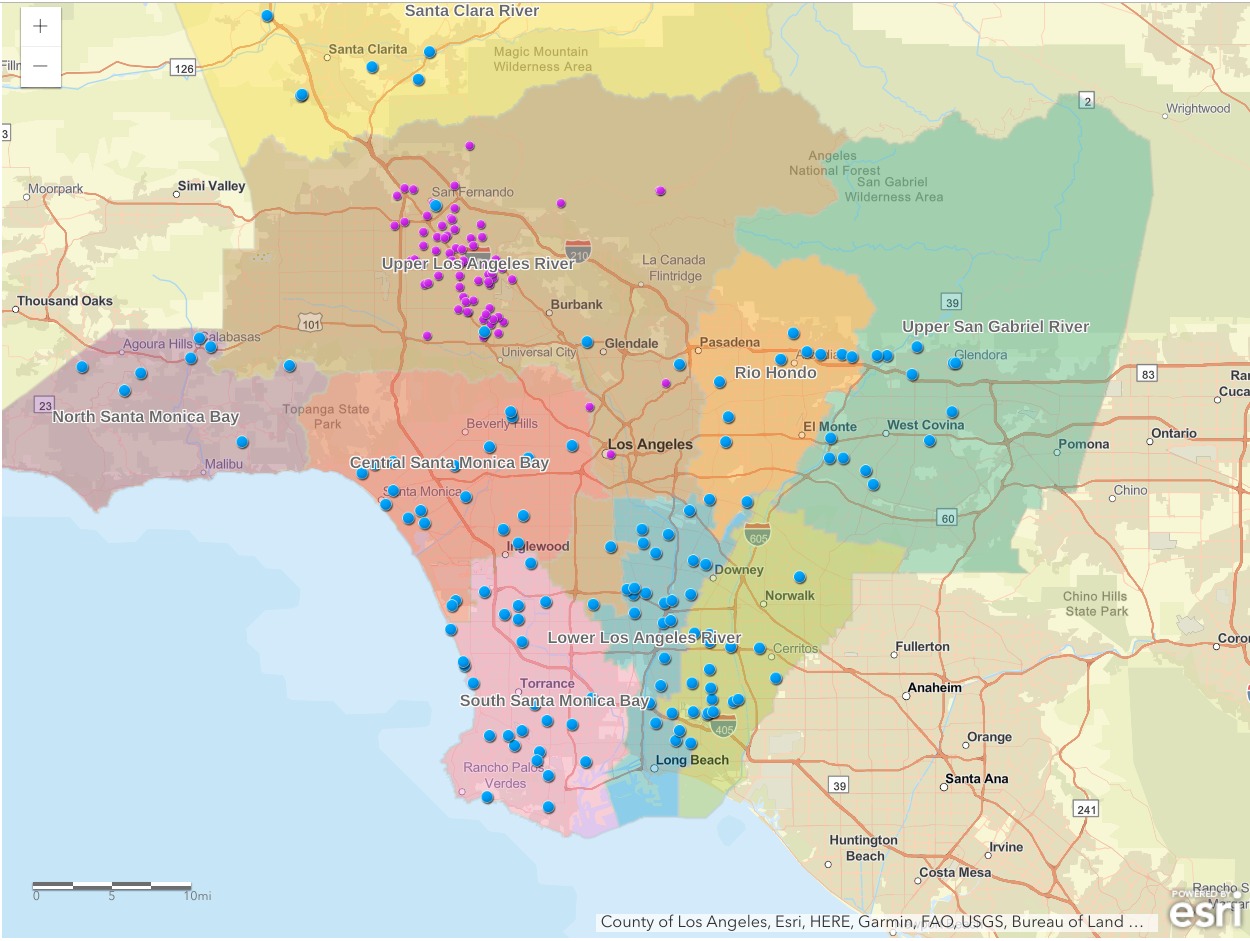
Visit ourwaterla.org and follow the coalition on Twitter, Instagram and Facebook to see the latest updates on the Safe, Clean Water Program.

View more info En Español.
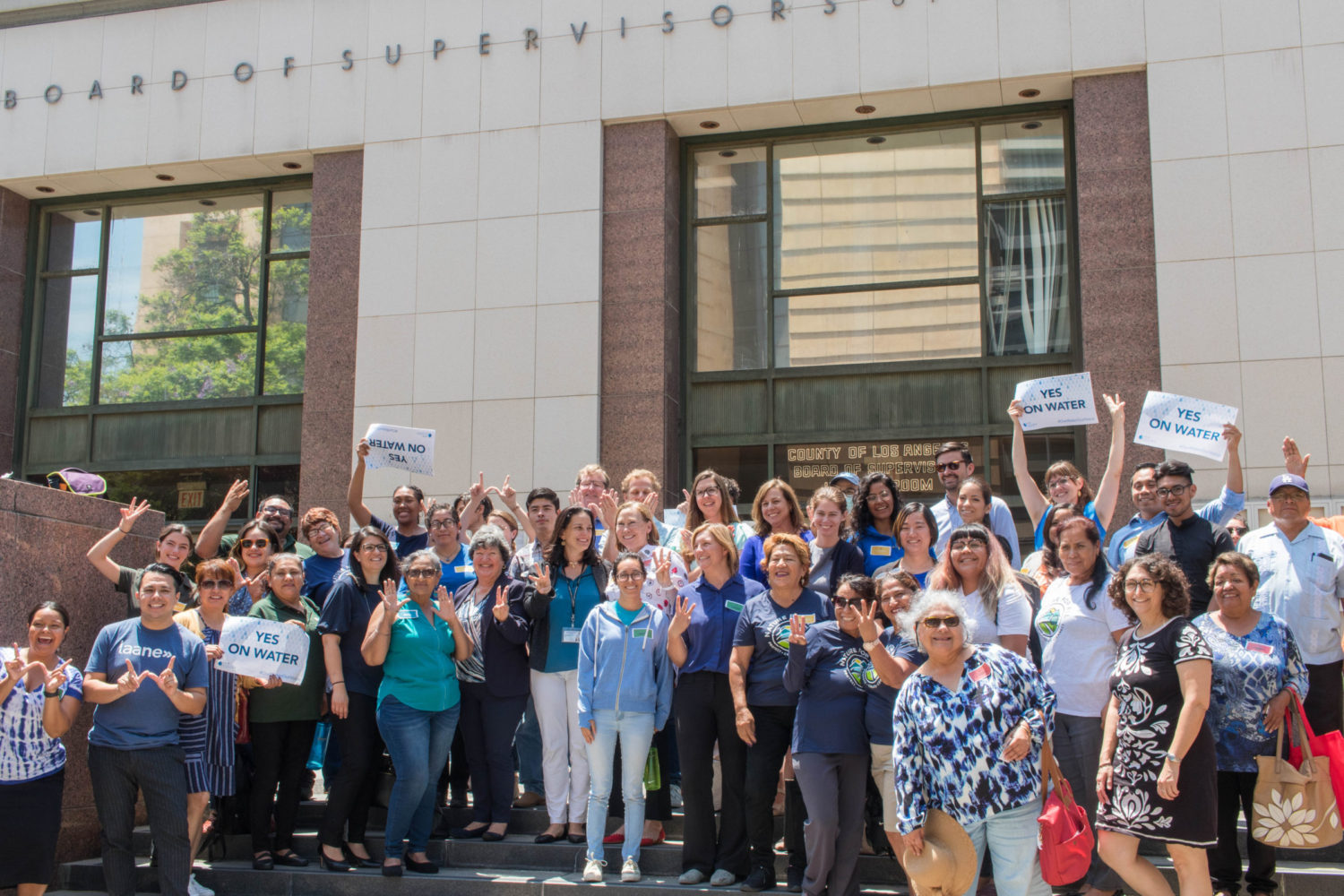


Prioritizing water quality, nature-based solutions, sustained community engagement, equity, and good local jobs!

Los Angeles County made history last November when voters overwhelmingly approved Measure W (the Safe, Clean Water Program) to revamp our outdated stormwater system! And this vote did not come a moment too soon. In the 2018-2019 rain season, 18.8 inches of rain fell over Los Angeles County. This equates to almost 200 billion gallons of stormwater flowing through our streets, into our waterways and out to the ocean, picking up pollutants along the way that pose serious risks to public and environmental health. We can no longer stand to let stormwater pollute our waters, and we can no longer afford to let good rain years go to waste.

There is good news: Thanks to LA County voters, we now have the Safe, Clean Water Program to fund stormwater projects throughout our region to capture, clean, and reuse this water resource! Heal the Bay (a core team member of the OurWaterLA Coalition), along with our dedicated members and volunteers, played a huge roll in this victory vote in November 2018. Since then, OurWaterLA has continued to work closely with County staff to implement the Program.

Safe, Clean Water Program Safe, Clean Water Program Safe, Clean Water Program Safe, Clean Water Program
<
>
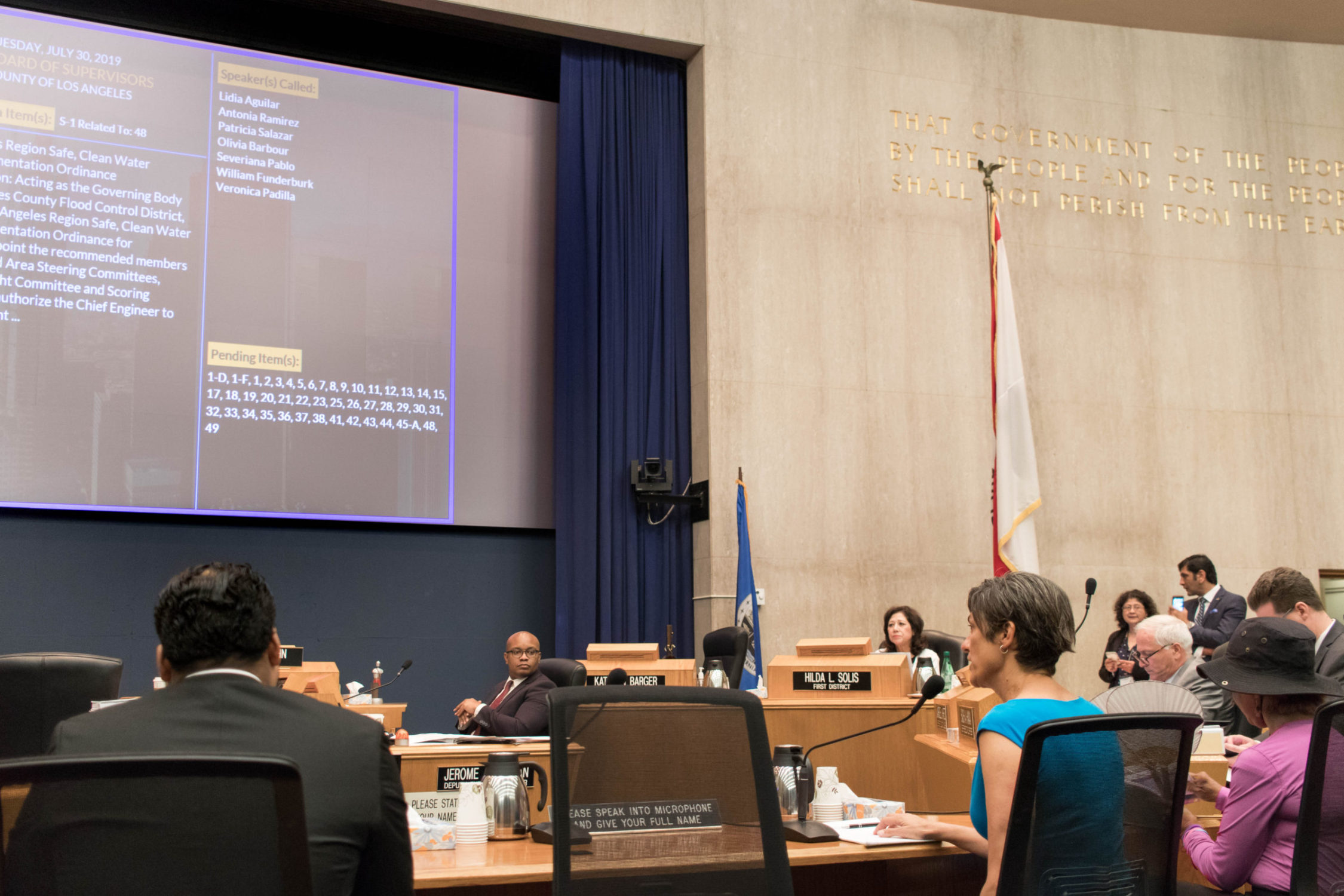
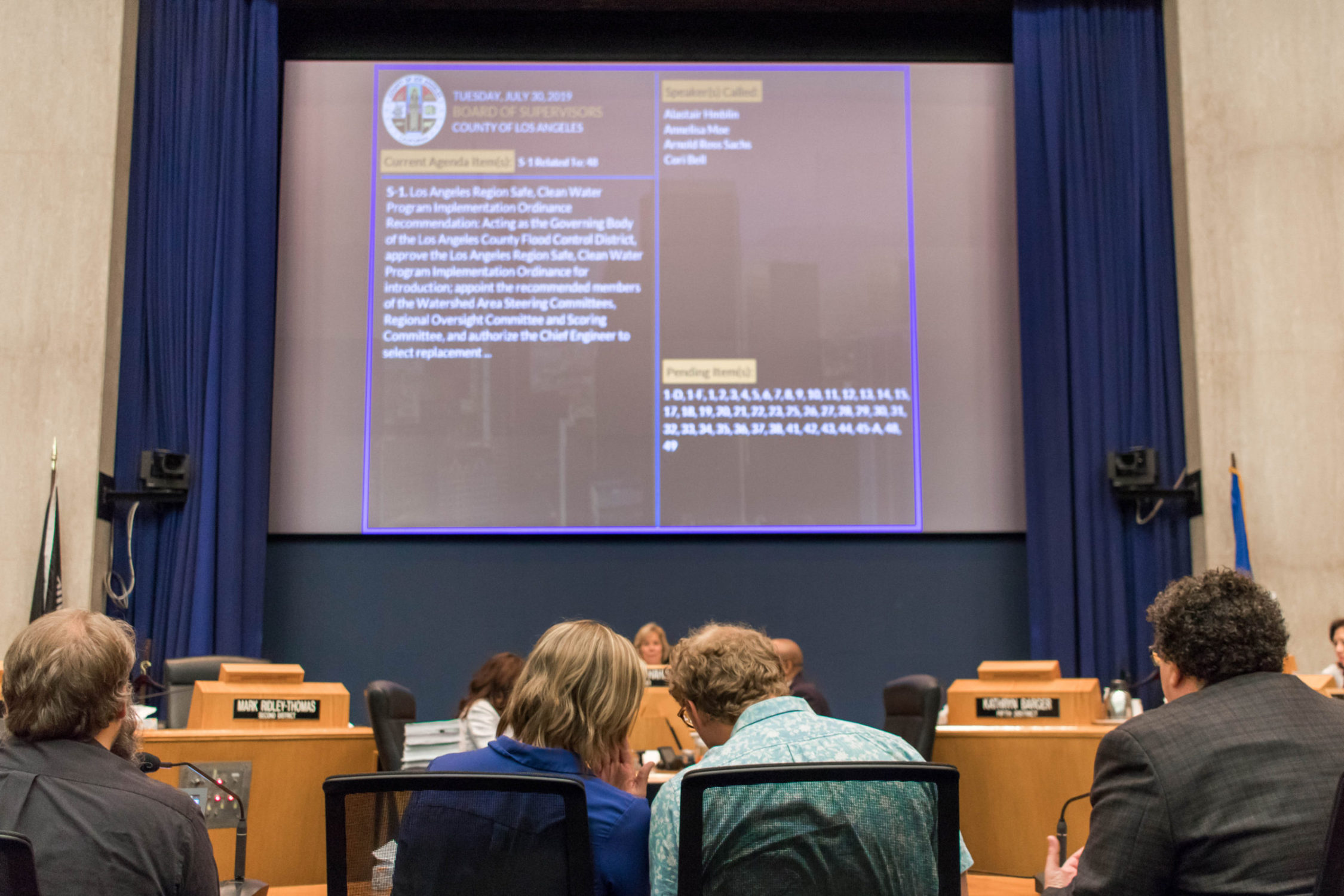
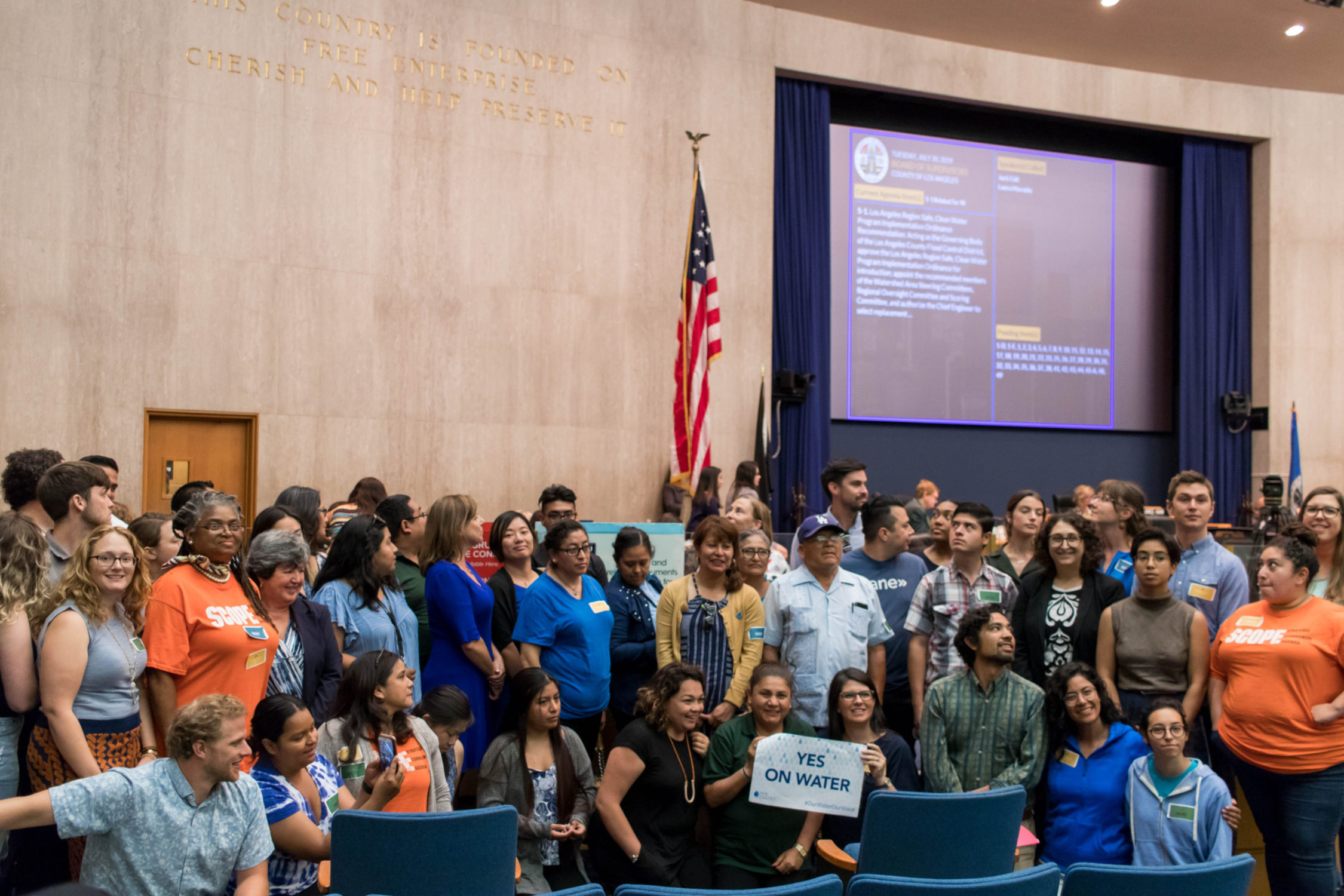
Annelisa Moe and Luke Ginger, Heal the Bay water quality scientists, converse quietly during the public comment period. (Photo by Alex Choy)

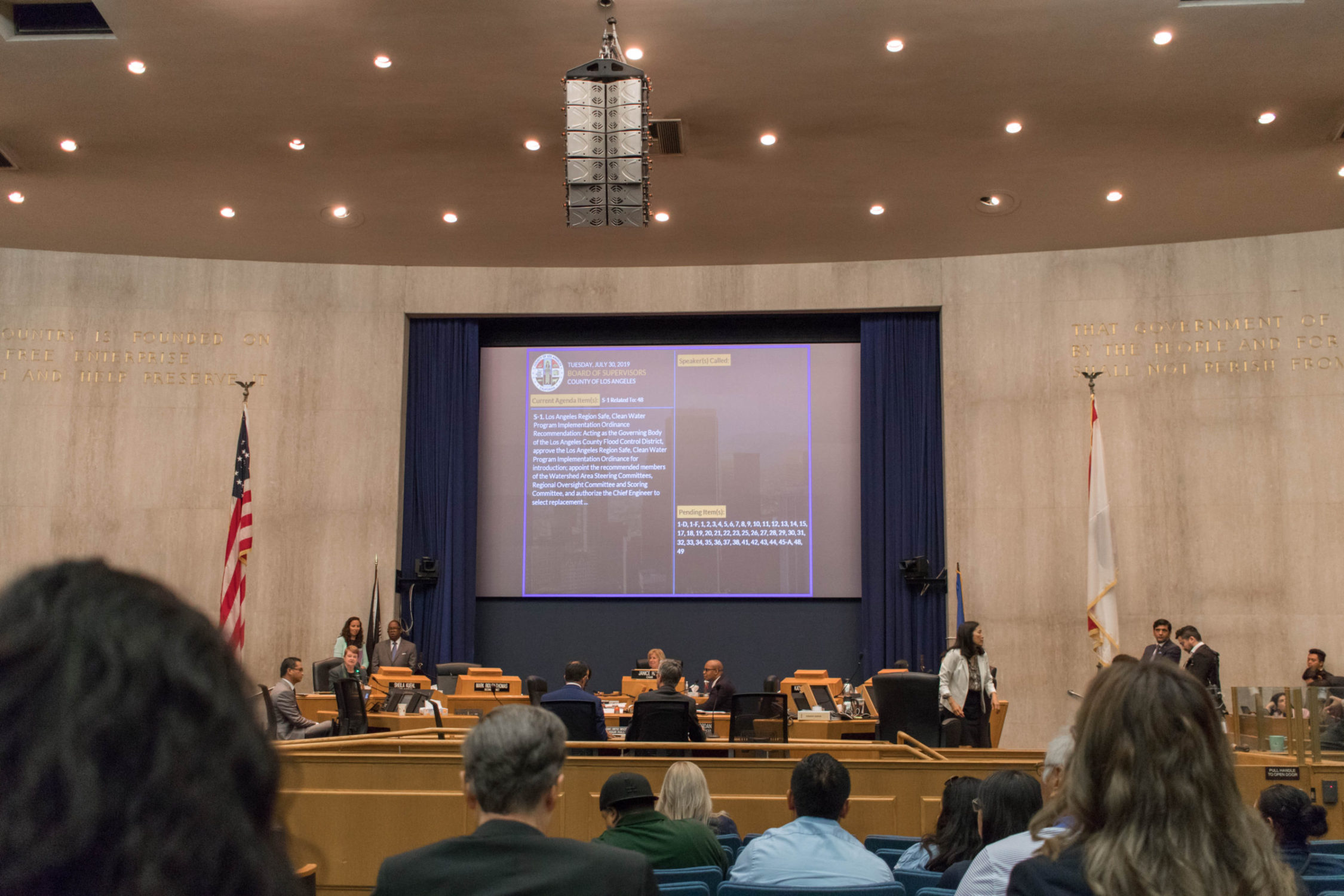
Today, the Safe, Clean Water Program moved forward with a unanimous vote by the Los Angeles County Board of Supervisors to approve the Implementation Ordinance, reiterating the County’s commitment to improve water quality and public health, prioritize nature-based solutions, promote local jobs, and provide multiple benefits to our communities. Supervisors Sheila Kuehl and Hilda Solis also called for a multi-agency committee to help coordinate efforts to implement multi-benefit projects, which will allow for the leveraging of funds from other sources including Measure M, Measure A, and Measure H.

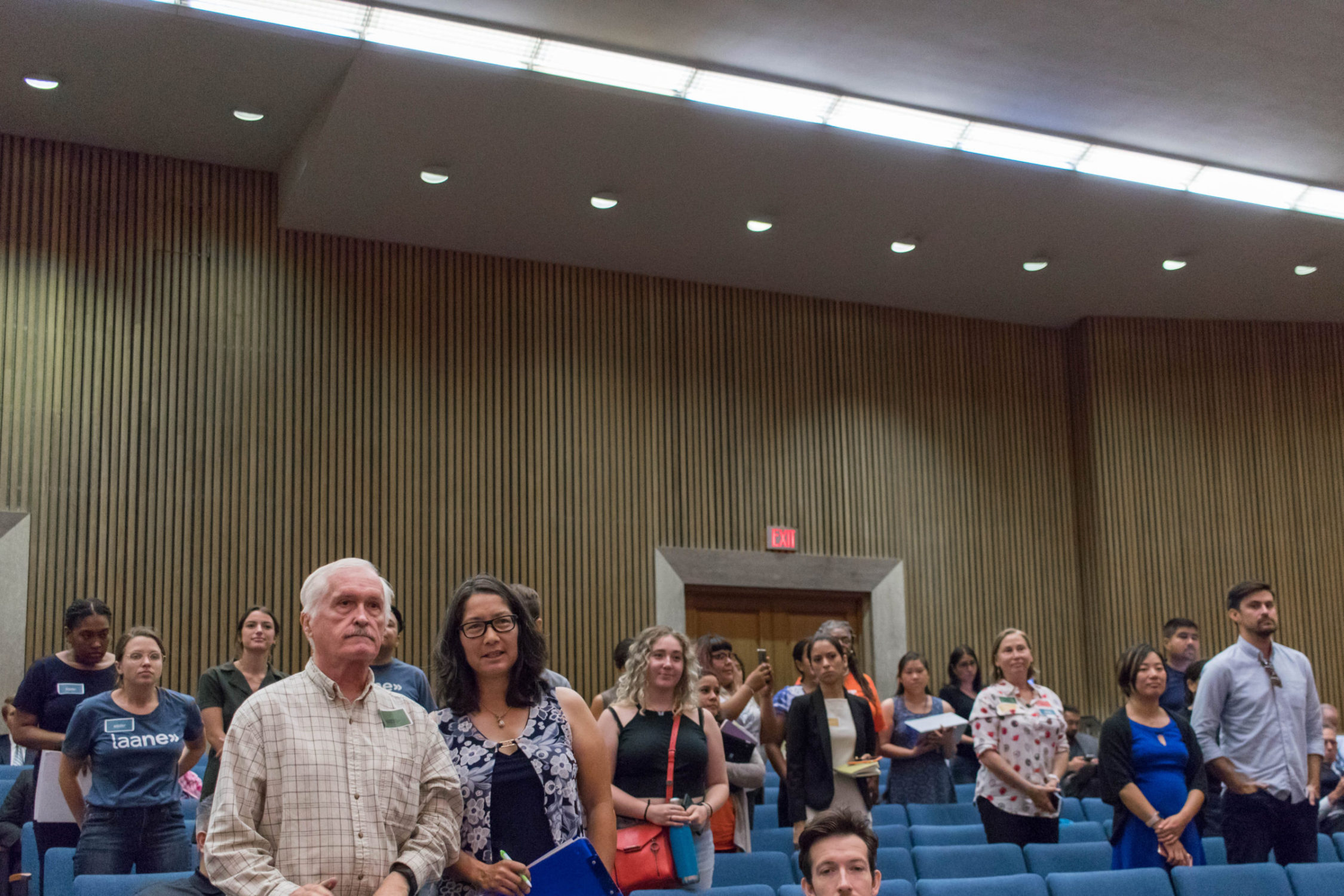
However, there is still work to be done to ensure that these promises are kept as the Program rolls out. Although the Implementation Ordinance is finalized, many of the important supporting documents are still in development, and do not yet reflect the goals listed above. OurWaterLA turned out in full force to make recommendations for how these supporting documents can be strengthened to prioritize nature-based solutions, community voices, equity, and local jobs.

The Board of Supervisors also voted to appoint 107 members to the Watershed Area Steering Committees and the Regional Oversight Committee. These committees will decide how the Regional Program funds will be spent. But our work is not done! These funding decisions must be made with consideration given to community input. Search your address and find out which watershed area you are in, then see a list of your Watershed Area Steering Committee members, and get to know your committee representatives.

As you peruse the list of committee members, you will recognize one of them already! Heal the Bay President and CEO, Shelley Luce, has been appointed to the Regional Oversight Committee, which reviews the funding decisions for each of the nine Watershed Area Steering Committees.

Heal the Bay will continue to play a pivotal role as implementation moves forward. Committees will start to meet by the end of summer 2019, calling for projects in the fall, which will receive funding as soon as it is available in spring 2020. Stay tuned in the coming months to hear about exciting projects that will be funded by the Safe, Clean Water Program!


“We cannot recycle our way out of our plastics problem. The only way is to eliminate its use in the first place.”  – L.A. City Councilmember Paul Krekorian.

The City of Los Angeles has long been a leader on environmental issues. The city’s plastic bag ban took effect in 2014, following years of advocacy by Heal the Bay’s science and policy team. Thanks to that effort, momentum built for a statewide ban that went into effect in 2016.

Since then, we have seen a marked reduction of single-use plastic bags in the state – some 70% reduction in bag litter, according to Californians Against Waste.

This week, the L.A. City Council made more progress toward moving forward on two new and critical goals to help reduce waste locally.

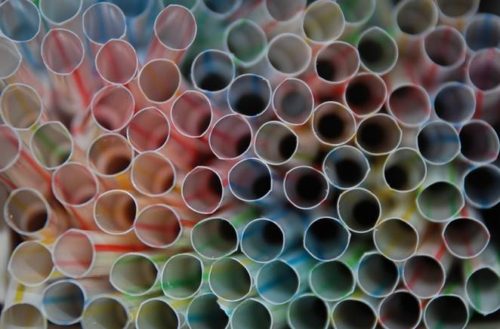
First, the Council voted unanimously Tuesday to craft a plastic straws ordinance that takes the statewide ‘single-use plastic straws on request’ policy even further. The new measure would require customers to explicitly ask for a plastic straw at all food and beverage facilities in the City of L.A., with a goal of phasing out single-use plastic straws by 2021.

Heal the Bay volunteers have removed more than 2.5 million pounds of trash from L.A County beaches, rivers and neighborhoods. Most of this trash consists of plastic, polystyrene and single-use items. Since 2000, Heal the Bay volunteers have picked up more than 126,000 straws and stirrers — these materials pose serious risks to our environment and local wildlife.

It’s becoming clear that we cannot continue to look at this plastic waste problem item-by-item; we must address it comprehensively. The negative impacts of single-use plastics on our oceans are well known. If we do not change our practices, there will be more plastic than fish in the world’s oceans by 2050 (by weight), according to a recent study.

Only a few hours after the full Council voted to move forward with drafting the Plastic Straws-On-Request Ordinance with hopes of implementing it by Earth Day 2019, its Energy, Climate Change and Environmental Justices subcommittee also voted unanimously to propose an even more comprehensive zero-waste initiative to address ALL single-use plastic waste.

The zero-waste initiative instructs the Bureau of Sanitation to analyze the feasibility of pursuing alternative approaches to waste reduction (besides recycling). Examples include measures adopted by the EU (25% reduction in plastics production by 2030) and those in Berkeley (ban all single-use foodware used by restaurants and other food establishments).

The Bureau of Sanitation will report back to the Council within 60 days with a report on its findings and recommendations for further action.

Heal the Bay is heartened to see the city taking a firm stance on the critical issue of plastic pollution. As demonstrated by the plastic bag ban, the changes that we make here in L.A. can have far reaching impacts beyond our borders.

We have the opportunity to stand by California cities like Berkeley and Santa Monica, which have pursued aggressive plastic reduction efforts. Beyond curbing waste in our home, the measure would serve as a strong example for the almost 50 million tourists who visit L.A. each year.

When L.A. makes noise, the rest of the world listens.