Top

Heal the Bay Blog

Author: Heal the Bay

Heal the Bay has been making Southern California safer, healthier, and cleaner since 1985. Using the best science and grassroots community action, we mobilize campaigns that have lasting impact on our shorelines and neighborhoods. Here’s a sneak peek at the year ahead:

Thriving Oceans

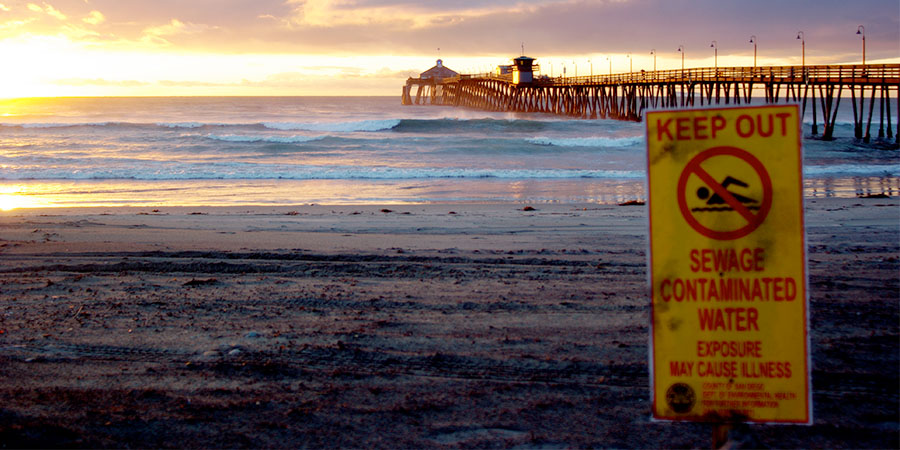
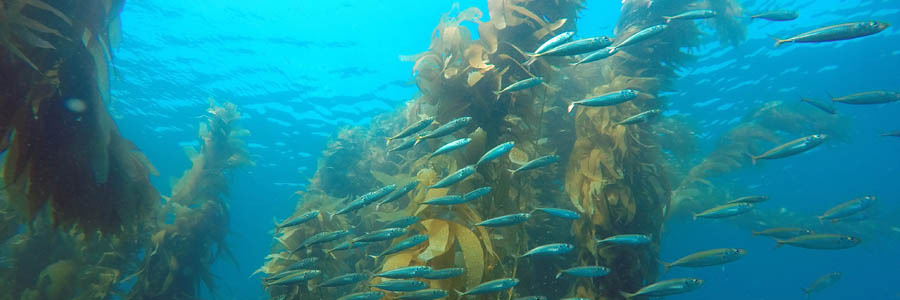
Our local waters should be teeming with wildlife, not trash.

Rethink The Drink

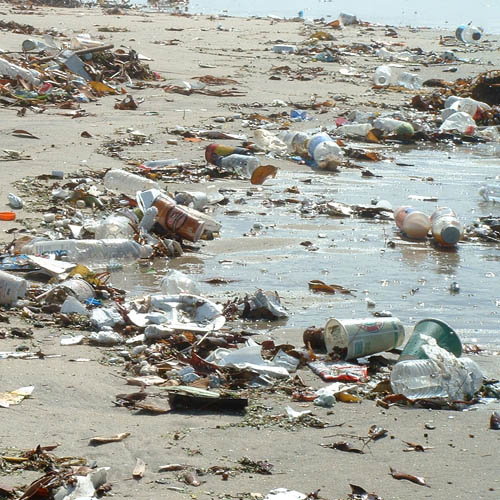
Beverage-related items form the bulk of trash collected at our cleanups – plastic water bottles, straws, bottle caps, and bits of Styrofoam cups. To stem the deluge, we’re launching a community campaign encouraging people to go reusable, while our policy staff pursues regulations that hold dischargers responsible for drink-related waste.

Why It Matters: It’s estimated that plastic will outweigh fish in the ocean by the year 2050. We simply must end our addiction to single-use plastics if we want to reverse this frightening trend.

How You Can Help: Skip the straw. Pass on the plastic bottle. Forget the foam.


Healthy Watersheds

Vibrant shorelines depend on fully functioning urban creeks and rivers.

Cleaning Our Creeks

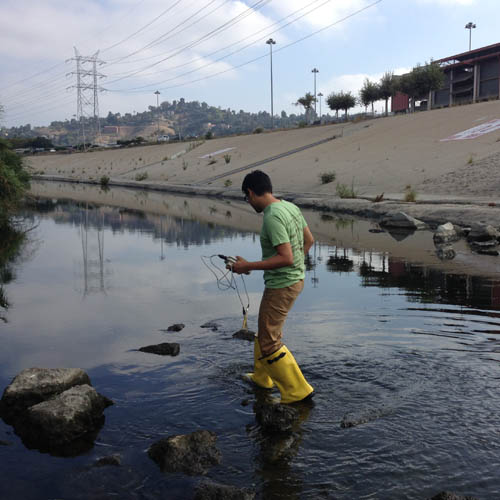
Our science and policy team will dramatically expand its water-quality monitoring program by launching regular analysis at more than a dozen locations along the L.A. River and Ballona Creek. Modeled after our A-to-F Beach Report Card, the new grading program will support public health and aquatic well-being throughout the watershed.

Why It Matters: We can’t expect our beaches and wetlands to be clean if the waters that feed them are filled with harmful pollutants. As we fight for tougher limits on polluters, this advocacy requires consistent and scientifically gathered data.

How You Can Help: Take a tour of the L.A. River or the Ballona Wetlands to understand the stakes. Curtail polluting runoff to our creeks by cleaning up after your pet, opting for copper-free brake pads, and curtailing fertilizer and pesticide use.


Smart Water

Los Angeles imports over 80% of its water – a number that’s far too high.

Re-Plumbing L.A.

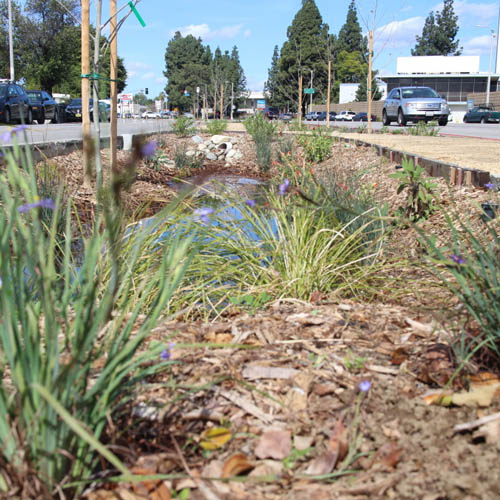
The Southland needs to move beyond its centralized approach to water, which relies heavily on massive infrastructure – be it pumping water from the Sacramento Delta or Hyperion discharging millions of gallons of wastewater into the sea. Instead, Heal the Bay will lead the charge to invest in nature-based solutions, such as the L.A. City Council’s proposal to require “green street” capture-and-infiltrate features in all street, median, and parkway projects.

Why It Matters:  A resilient L.A. depends on the widespread adoption of strategies that maximize on-site management of all forms of water. No single entity can win the water wars single-handedly. Local water agencies, business, homeowners, and renters all need to manage water more wisely. Making the most of our local water resources will help keep more environmentally harmful and costly options, like ocean desalination, at bay.

How You Can Help:  Rip out your grass lawn. Break up a driveway. Support civic investment in stormwater capture.


Watch Video

Get the full scoop from Sarah Sikich, Heal the Bay’s Vice President (2-minute video).


summer camp in los angeles

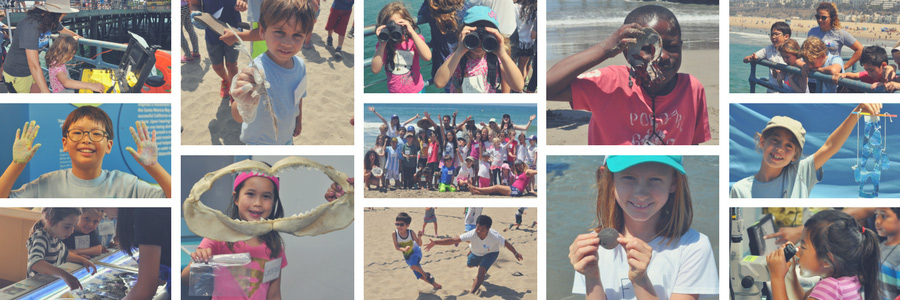
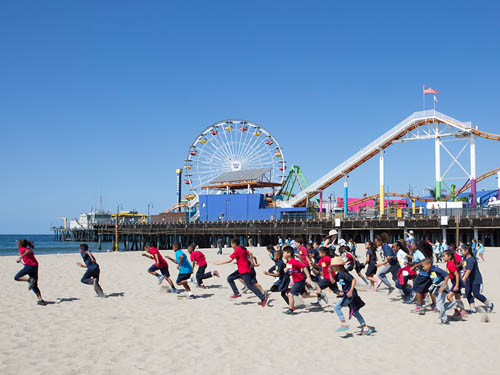
When school is out, camp is in. Whether it’s during spring break or summer vacation, our aquarium camp at the Santa Monica Pier Aquarium offers the perfect balance of fun and learning for your child in an environment that fosters interaction with 100 species of marine life.

Wondering what your child can expect at camp? Here are some of the fun activities young marine biologists can look forward to at our Santa Monica Pier Aquarium camp:

1. Interact with live animals.

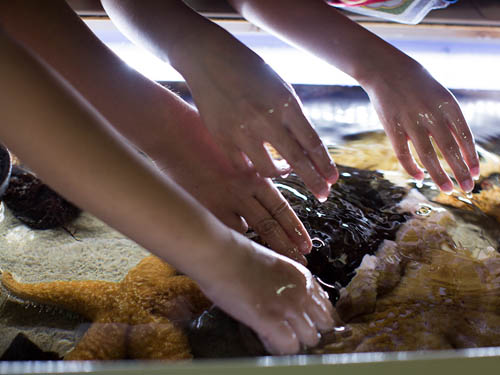
Whether you’re having a staring contest with a wolf eel or getting a hug from a sea urchin, you’re sure to fall in love with the animals that call Santa Monica Bay home.

2. Explore the beach like a scientist.


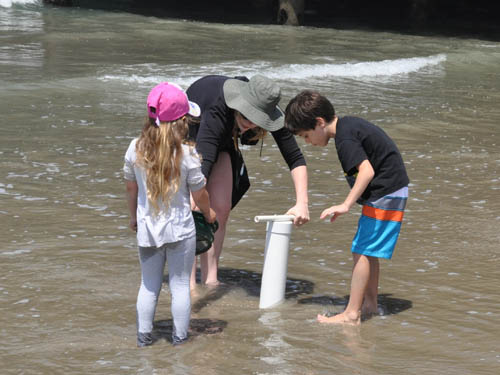
Become a beach detective by looking for clues of life and living animals. The Santa Monica Beach is home to lots of cool critters and we regularly find sea birds, sand crabs, worms, striped shore crabs, and more.

3. Play awesome games.

It wouldn’t be camp without time to just run around and play in the sand, sea, and sunshine.

4. Let your creativity shine with arts & crafts.

Crayons, check. Glue, check. Scissors, check. Streamers, check. Put it all together and you get…an eviscerating sea star! Our ocean crafts are super fun and add the “A” for “Art” into STEAM education.

5. Excite your curiosity with hands-on science.

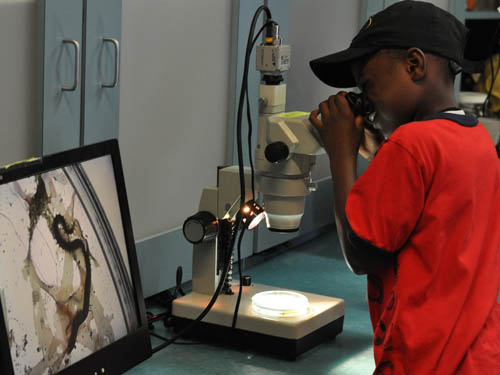
The minute our campers walk through our doors, they become scientists with us. From looking at plankton under the microscope, to running a test on water density, to dissecting a squid, our camps encourage scientific questioning and experimentation in a safe and educational environment.

6. Have fun with your friends – both new and old.

Whether you come to camp with your buddies, or meet new ones here, camp is always better when you have someone to share the experience.

7. Help protect your favorite animals by becoming an ocean steward.

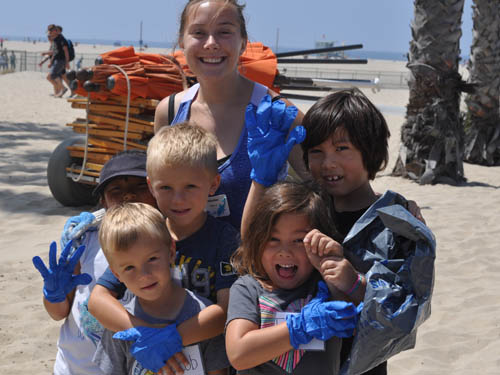
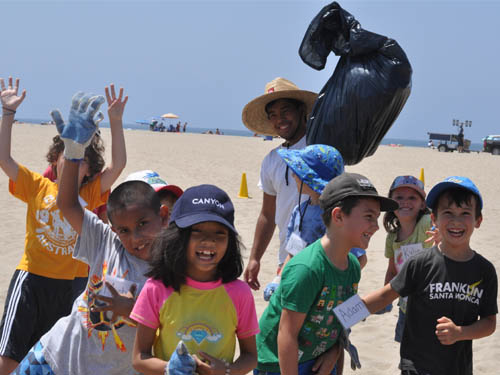
Just like our Heal the Bay mission, our camp focuses on ways we can protect the ocean and its inhabitants. As we clean trash off of the beach and brainstorm ways to go green, our campers earn the right to call themselves Planet Protectors.


And here’s what some parents are saying about our camps:

“Amazing counselors, well-organized, enthusiastic children and overall excellent!”

“My daughter loved dissecting squid and all the beach activities. This is the second year she has gone to Santa Monica Aquarium Camp and it is her favorite camp of the summer. She loved her counselors and how exciting they all made marine science and ecology to her – she wants to be a marine biologist!”

“First day my son said, ‘I learned a new word, Bioluminescence’ to multiple people!”

So what are you waiting for? Let’s dive in!

Please visit healthebay.org/camps for more information and enroll today.


Por Matthew King | traducido por Beatriz Lorenzo | 25 enero 2017

La semana pasada el nuevo gobierno ordeno la congelación de los fondos para las becas y los contratos con la EPA. El director de comunicaciones Matthew King repasa cinco formas en las que esta directiva podría dañar la bahía.

Estos son tiempos revueltos y extraños en Washington D.C. Muchos conservadores y populistas están eufóricos con el nuevo gobierno, mientras que los progresistas cada día que pasa se sienten más pesimistas.

También nos podemos aventurar a decir que también son tiempos revueltos en nuestras oficinas a medida que vamos entendiendo y procesando lo que las acciones de la administración de Trump suponen para nuestro trabajo y para la bahía.

Como un perro guardián de confianza, Heal the Bay se guía por la mejor ciencia y no por las emociones. Y cuando una acción federal de la nueva administración amenaza la salud y el bienestar de la Bahía, hablamos bien claro.

Pues bien, éste es uno de esos momentos.

La semana pasada llegué al trabajo y nos enteramos de que la nueva administración había impuesto la congelación inmediata de todos los contratos y becas de la Agencia de Protección Ambiental de Estados Unidos (U.S. EPA). El alarmante procedimiento “amenaza con interrumpir operaciones tan importantes como las limpiezas de tóxicos o la monitorización de la calidad del agua”, según la investigación de ProPublica.

En total, la U.S. EPA reparte aproximadamente unos $6.4 billones en becas federales cada año para apoyar testeos, limpiezas e iniciativas para la recuperación, incluyendo varios de los programas de Heal the Bay.

Los funcionarios de la transición insisten en que es una mera pausa para permitir a los nuevos gerentes valorar si los programas deben continuar. Pero los empleados con más antigüedad y abogados especializados dan una imagen diferente – normalmente se congelan las contrataciones de empleados, pero no las becas, esto es inusual y amenaza con la interrupción de las contratas.

Según ProPublica, así respondió un contratante con la EPA a las preguntas de un empleado de una gestora de aguas pluviales: “ahora mismo estamos esperando. La nueva administración de la U.S. EPA ha pedido que todas las contratas y becas se suspendan temporalmente con efecto inmediato. Y hasta que recibamos clarificación del asunto, esto incluye tareas y asignación de proyectos.”

Hay muchas preguntas en el aire con esta suspensión, como cuanto durara y a que contratas impactara de modo más directo.

Como destinatarios de casi $200,000 anuales en formas de becas de la U.S. EPA estamos preocupados. De forma similar, muchas de las organizaciones con las que estamos asociados reciben fondos federales que impulsan iniciativas de colaboración con Heal The Bay.

Aún tenemos más preguntas que respuestas, pero vamos a ver el top 5 de los que se podrían ver afectados por la congelación de los fondos:

  1. Monitorización habitual de la calidad del agua de las playas

Nuestro Informe de Playas da una nota semanalmente de A a F a más de 500 playas en California, evitando que millones de personas que van a la playa se pongan enfermas. Los fondos de la U.S. EPA respaldan el testeo semanal del agua llevado a cabo por muchas agencias de salud condales por todo el estado. Sin dinero = no hay testeo = no hay datos = no hay informe de playas = puesta en peligro de la salud pública. En el pasado nos hemos enfrentado a problemas de este estilo cuando ha habido reducciones temporales del presupuesto, y hemos podido articular fondos poco a poco para poder seguir haciendo la monitorización. Pero ahora mismo, respecto a programas en las playas, no hay un plan del estado u otras instituciones financieras de recoger los pedazos que la EPA ha dejado.

  1. Mantener los ríos y arroyos locales sanos.

La salud de la bahía no se puede separar de la salud de las aguas que desembocan en ella. Arroyos, ríos y riachuelos fluyendo limpios traen consigo numerosos beneficios medioambientales, de hábitat, de mejor calidad del agua y de espacios de ocio. La U.S. EPA financia nuestro programa Stream Team pagando a los científicos empleados en la monitorización del agua y educación del público en lo referido al rio de Los Ángeles. Programas como el U.S. EPA’s Urban Waters Grant están especialmente diseñados para respaldar la restauración y protección de importantes vías de agua que fluyen por nuestras comunidades en los sitios en los que se necesita más un entorno natural al aire libre. La pérdida de programas como este es particularmente devastador para L.A.

    1. Proteger nuestros menguantes humedales

L.A. ya ha perdido el 95% de sus lagunas costeras. Con el cambio climático y la urbanización invadiendo los pocos humedales que quedan, es crítico que actuemos ya para defender este hábitat natural. A través del National Estuary Program, la U.S. EPA trabaja para coordinar la protección y restauración de hábitats importantes en la bahía de Santa Mónica, como el Ballona Wetlands o las dunas costeras. Sarah Sikich, vicepresidenta de Heal the Bay’s, es también la vicepresidenta de la Junta Directiva de la Comisión de Restauración de la Bahía de Santa Mónica (Santa Monica Bay Restoration Commission Governing Board), el socio estatal del programa nacional de estuarios (National Estuary Program). Sin esta comisión, la protección y revitalización de los hábitats y de la calidad del agua en la Bahía de Santa Mónica quedaría seriamente incapacitada.

Son iniciativas esenciales para la salud a largo plazo de la bahía y en último caso, del sur de California. Congelar o reducir estos programas sería realmente imprudente.

      1. Deshacerse del DDT en la Bahía

Mucha gente no se da cuenta de que la Bahía es lo que se llama un EPA Superfund site – que significa que somos uno de los lugares más peligrosamente contaminados de la nación. Un espacio de 180 acres de fondo marino cerca de Palos Verdes es el depósito más grande del mundo del pesticida DDT, un legado químico de los años 50 y 60.

El plan a largo plazo de la EPA de limpiar este desastre no debería quedarse en el limbo, ya que existe un acuerdo legal que requiere la limpieza de estos vertidos para proteger la vida animal y la salud pública.

      1. Prevenir el consumo de pescados locales contaminados

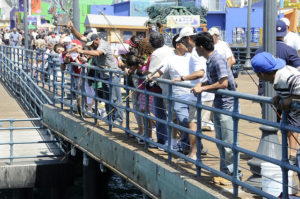
Gran cantidad de los peces pescados en la Bahía de Santa Mónica son aptos para el consumo. Pero algunas especies están contaminadas con niveles tóxicos de DDT, PCB y mercurio. Gracias a los fondos de la EPA, nuestro laureado equipo “Pier Angler Outreach” ha sondeado los sitios comunes de pesca local y ha advertido directamente a cerca de 150,000 personas sobre los peces aptos o no para consumo en una variedad de idiomas, desde tagalo a español. Por ser este un trabajo contratado requerido por un acuerdo legal, se encuentra en peligro por la congelación de fondos.

Por último, la congelación de fondos y contratas son parte de preocupaciones mayores. El nuevo gobierno ha empezado a avanzar amenazas reales para reducir programas de aguas limpias y regulaciones para proteger la salud pública; proteger hábitats como humedales y arroyos que amortiguan los impactos del cambio climático en comunidades y salvaguardan la fauna y otros logros importantes en materia de medioambiente.

Amordazando a sus agencias para que no comuniquen su importante labor y el estado real del medioambiente también es perjuicio enorme para el público, pues mantiene a los americanos en la ignorancia sobre importantes descubrimientos y sobre el estado de sus recursos naturales.

En los próximos días, prometemos compartir más información sobre los cambios de la U.S. EPA según los vayamos recibiendo. Y aun preocupados por las acciones de la semana pasada, seguimos en alerta por si se retira algunas de las regulaciones federales de las que se ha hablado que tuviese impacto en California. Si le preocupan estos problemas, es el momento de hacer oír su voz.

Contacte a su representante para pedirle la protección de estos programas tan importantes para el medioambiente. Pronto pondremos en marcha una alerta para que pueda pedir a los legisladores que mantengan los fondos de la EPA que más afectan a la Bahía en marcha. Permanezca a la escucha.

Según vamos haciendo la estrategia para la respuesta formal a la congelación de fondos, le animamos a hacer una donación para respaldar nuestro trabajo protegiendo la Bahía.


Por Matthew King | traducido por Beatriz Lorenzo | 25 enero 2017

La semana pasada el nuevo gobierno ordeno la congelación de los fondos para las becas y los contratos con la EPA. El director de comunicaciones Matthew King repasa cinco formas en las que esta directiva podría dañar la bahía.

Estos son tiempos revueltos y extraños en Washington D.C. Muchos conservadores y populistas están eufóricos con el nuevo gobierno, mientras que los progresistas cada día que pasa se sienten más pesimistas.

También nos podemos aventurar a decir que también son tiempos revueltos en nuestras oficinas a medida que vamos entendiendo y procesando lo que las acciones de la administración de Trump suponen para nuestro trabajo y para la bahía.

Como un perro guardián de confianza, Heal the Bay se guía por la mejor ciencia y no por las emociones. Y cuando una acción federal de la nueva administración amenaza la salud y el bienestar de la Bahía, hablamos bien claro.

Pues bien, éste es uno de esos momentos.

La semana pasada llegué al trabajo y nos enteramos de que la nueva administración había impuesto la congelación inmediata de todos los contratos y becas de la Agencia de Protección Ambiental de Estados Unidos (U.S. EPA). El alarmante procedimiento “amenaza con interrumpir operaciones tan importantes como las limpiezas de tóxicos o la monitorización de la calidad del agua”, según la investigación de ProPublica.

En total, la U.S. EPA reparte aproximadamente unos $6.4 billones en becas federales cada año para apoyar testeos, limpiezas e iniciativas para la recuperación, incluyendo varios de los programas de Heal the Bay.

Los funcionarios de la transición insisten en que es una mera pausa para permitir a los nuevos gerentes valorar si los programas deben continuar. Pero los empleados con más antigüedad y abogados especializados dan una imagen diferente – normalmente se congelan las contrataciones de empleados, pero no las becas, esto es inusual y amenaza con la interrupción de las contratas.

Según ProPublica, así respondió un contratante con la EPA a las preguntas de un empleado de una gestora de aguas pluviales: “ahora mismo estamos esperando. La nueva administración de la U.S. EPA ha pedido que todas las contratas y becas se suspendan temporalmente con efecto inmediato. Y hasta que recibamos clarificación del asunto, esto incluye tareas y asignación de proyectos.”

Hay muchas preguntas en el aire con esta suspensión, como cuanto durara y a que contratas impactara de modo más directo.

Como destinatarios de casi $200,000 anuales en formas de becas de la U.S. EPA estamos preocupados. De forma similar, muchas de las organizaciones con las que estamos asociados reciben fondos federales que impulsan iniciativas de colaboración con Heal The Bay.

Aún tenemos más preguntas que respuestas, pero vamos a ver el top 5 de los que se podrían ver afectados por la congelación de los fondos:

  1. Monitorización habitual de la calidad del agua de las playas

Nuestro Informe de Playas da una nota semanalmente de A a F a más de 500 playas en California, evitando que millones de personas que van a la playa se pongan enfermas. Los fondos de la U.S. EPA respaldan el testeo semanal del agua llevado a cabo por muchas agencias de salud condales por todo el estado. Sin dinero = no hay testeo = no hay datos = no hay informe de playas = puesta en peligro de la salud pública. En el pasado nos hemos enfrentado a problemas de este estilo cuando ha habido reducciones temporales del presupuesto, y hemos podido articular fondos poco a poco para poder seguir haciendo la monitorización. Pero ahora mismo, respecto a programas en las playas, no hay un plan del estado u otras instituciones financieras de recoger los pedazos que la EPA ha dejado.

  1. Mantener los ríos y arroyos locales sanos.

La salud de la bahía no se puede separar de la salud de las aguas que desembocan en ella. Arroyos, ríos y riachuelos fluyendo limpios traen consigo numerosos beneficios medioambientales, de hábitat, de mejor calidad del agua y de espacios de ocio. La U.S. EPA financia nuestro programa Stream Team pagando a los científicos empleados en la monitorización del agua y educación del público en lo referido al rio de Los Ángeles. Programas como el U.S. EPA’s Urban Waters Grant están especialmente diseñados para respaldar la restauración y protección de importantes vías de agua que fluyen por nuestras comunidades en los sitios en los que se necesita más un entorno natural al aire libre. La pérdida de programas como este es particularmente devastador para L.A.

    1. Proteger nuestros menguantes humedales

L.A. ya ha perdido el 95% de sus lagunas costeras. Con el cambio climático y la urbanización invadiendo los pocos humedales que quedan, es crítico que actuemos ya para defender este hábitat natural. A través del National Estuary Program, la U.S. EPA trabaja para coordinar la protección y restauración de hábitats importantes en la bahía de Santa Mónica, como el Ballona Wetlands o las dunas costeras. Sarah Sikich, vicepresidenta de Heal the Bay’s, es también la vicepresidenta de la Junta Directiva de la Comisión de Restauración de la Bahía de Santa Mónica (Santa Monica Bay Restoration Commission Governing Board), el socio estatal del programa nacional de estuarios (National Estuary Program). Sin esta comisión, la protección y revitalización de los hábitats y de la calidad del agua en la Bahía de Santa Mónica quedaría seriamente incapacitada.

Son iniciativas esenciales para la salud a largo plazo de la bahía y en último caso, del sur de California. Congelar o reducir estos programas sería realmente imprudente.

      1. Deshacerse del DDT en la Bahía

Mucha gente no se da cuenta de que la Bahía es lo que se llama un EPA Superfund site – que significa que somos uno de los lugares más peligrosamente contaminados de la nación. Un espacio de 180 acres de fondo marino cerca de Palos Verdes es el depósito más grande del mundo del pesticida DDT, un legado químico de los años 50 y 60.

El plan a largo plazo de la EPA de limpiar este desastre no debería quedarse en el limbo, ya que existe un acuerdo legal que requiere la limpieza de estos vertidos para proteger la vida animal y la salud pública.

      1. Prevenir el consumo de pescados locales contaminados

Gran cantidad de los peces pescados en la Bahía de Santa Mónica son aptos para el consumo. Pero algunas especies están contaminadas con niveles tóxicos de DDT, PCB y mercurio. Gracias a los fondos de la EPA, nuestro laureado equipo “Pier Angler Outreach” ha sondeado los sitios comunes de pesca local y ha advertido directamente a cerca de 150,000 personas sobre los peces aptos o no para consumo en una variedad de idiomas, desde tagalo a español. Por ser este un trabajo contratado requerido por un acuerdo legal, se encuentra en peligro por la congelación de fondos.

Por último, la congelación de fondos y contratas son parte de preocupaciones mayores. El nuevo gobierno ha empezado a avanzar amenazas reales para reducir programas de aguas limpias y regulaciones para proteger la salud pública; proteger hábitats como humedales y arroyos que amortiguan los impactos del cambio climático en comunidades y salvaguardan la fauna y otros logros importantes en materia de medioambiente.

Amordazando a sus agencias para que no comuniquen su importante labor y el estado real del medioambiente también es perjuicio enorme para el público, pues mantiene a los americanos en la ignorancia sobre importantes descubrimientos y sobre el estado de sus recursos naturales.

En los próximos días, prometemos compartir más información sobre los cambios de la U.S. EPA según los vayamos recibiendo. Y aun preocupados por las acciones de la semana pasada, seguimos en alerta por si se retira algunas de las regulaciones federales de las que se ha hablado que tuviese impacto en California. Si le preocupan estos problemas, es el momento de hacer oír su voz.

Contacte a su representante para pedirle la protección de estos programas tan importantes para el medioambiente. Pronto pondremos en marcha una alerta para que pueda pedir a los legisladores que mantengan los fondos de la EPA que más afectan a la Bahía en marcha. Permanezca a la escucha.

Según vamos haciendo la estrategia para la respuesta formal a la congelación de fondos, le animamos a hacer una donación para respaldar nuestro trabajo protegiendo la Bahía.


Dec. 15, 2016 — Calling all inventors, tinkerers, makers, “mad” scientists, DIY’ers, or just anyone with a good sense of humor. It’s time to get ready for Los Angeles’ 4th annual Rube Goldberg Machine Contest at the Santa Monica Pier!

Rube Goldberg Machine is a crazy contraption that accomplishes a simple task in the most complicated – and funniest – way possible! Based on the “invention” cartoons of the famous Pulitzer Prize-winning American cartoonist, Rube Goldberg, actual machines are at the heart of the Rube Goldberg Machine Contest. They use everyday items (mostly junk), to tell a story and, most important of all – they make you LAUGH.

The competition is open to middle school, high school, and college level teams. This year, teams will be faced with the challenge of “applying a Band-Aid” at the end of their multistep chain reaction. This is a great way to showcase your talent to elite industry judges. Last year’s judges were from SpaceX, Google, and NASA’s Jet Propulsion Lab.

The competition is part of the larger S.T.E.A.M. Machines Festival on the Santa Monica Pier scheduled for Sunday March 5th. It will be a full day of gadgets, innovation, creativity, and fun. For additional information, including registration details and financial aid opportunities, please contact Tara Crow or call 310-564-6126.


October 28, 2016 — Día de los Muertos, or “The Day of the Dead,” happens to take place just days before the general election. In the spirit of this hallowed Mexican holiday, we hope you enjoy our new video. (Haga clic aquí para español.)

Día de los Muertos, or Day of the Dead, traditionally occurs on November 1 and 2–just days before the general election on Tuesday, November 8.

The traditional Mexican celebration is about making contact with the spirits of the dead, to let them know that they are not forgotten and that we still care about them here on Earth. So we thought, what better way to tell the story of plastic bag pollution than to connect with sea creatures that have died because of plastic pollution in our oceans?

In our new mini-film “Los Fantasmas Del Mar,” a medium has the uncanny ability to speak with marine mammals that have passed on from this world. Tapping into the great abyss, she communicates with the spirit of a gray whale that happens to know a surprising amount about California politics–and Proposition 67 in particular. Who knew?

Our creative partners–many of whom worked on our viral hit “The Majestic Plastic Bag,” filmed Sra. Sargassos in her native language, but they’ve added English subtitles to reach more voters.

Be sure to check out and contribute to our traveling Día de Los Muertos altar devoted to marine life:

Feliz Día de Los Muertos and remember to vote YES on Prop 67 and NO on Prop 65! To learn more, visit https://healthebay.org/yeson67

Muchissimas gracias to our pro-bono team: Lupe Gudino, Jose Flick, Arnie Presiado, Gary Le Vine, Kevin McCarthy, Regie Miller, Paul Flick and, finally, Alicia Wu as the mysterious Sra. Sargossas.

***

Día de los muertos, o Day of the Dead, tradicionalmente ocurre en Noviembre 1 y 2, días antes de la elección general del Martes, Noviembre 8.

La tradicional celebración mexicana se trata de conectarse con los espíritus de los muertos, para dejarles saber que no han sido olvidados y que todavía se les quiere en esta tierra.¿Así que pensamos, qué mejor manera de contar la historia de la contaminación de la bolsa de plástico que conectarnos con las criaturas marinas que han muerto debido a la contaminación de la bolsa de plástico en nuestros océanos?

En nuestra ultimo mini-corto “Los Fantasmas Del Mar”, Una medium tiene la gran habilidad de hablar con los mamíferos que se han marchado de este mundo. tocando el gran abismo, Ella se comunica con una ballena gris quien sorprendentemente sabe mucho sobre política en California y en particular sobre la proposición 67, Quien podría saberlo?

Nuestros creativos socios – muchos de los cuales trabajaron en nuestro exito viral “La majestuosa bolsa de plástico,” filmaron a la Sra. Sargassos en su idioma nativo, pero han agregado subtítulos en inglés para llegar a más votantes

Asegúrese de echar un vistazo y contribuir a nuestro altar de Día de Los Muertos dedicado a la vida marina en estas dos locaciones:

Feliz Día de Los Muertos y recuerden en votar SI en Prop 67 y NO en Prop 65!

Muchissimas gracias a nuestro equipo de pro bono: Lupe Gudino, Jose Flick, Arnie Presiado, Gary Le Vine, Kevin McCarthy, Regie Miller, Paul Flick y, por último, Alicia Wu como la misteriosa Sra. Sargossos.


Oct. 6, 2016 — Manufacturers are trying to overturn the state’s effective bag ban at the ballot box this November. 

Did you know that all that hard work we did together to get California’s plastic bag ban passed in the state legislature years ago is now under threat? Out-of-state and out-of-touch Big Plastic is pushing bags on us once again by funding an initiative to overturn the statewide ban.

So please come out Nov. 8 during the presidential election to vote YES to uphold the sensible ban. Bag bans work! Why go back? We know you get it, but here’s info to share with your network.


 Reason #1: Plastic bags kill wildlife1.      Bags kill wildlife.

Plastic bag pollution poses a deadly threat to 663 species of marine and land animals. Each year, thousands of animals become entangled in plastic bags and drown, or ingest them and starve.

 Reason #2: Plastic bags poison the food chain2.      They poison the food chain.

In the ocean, plastic bags break down into tiny pieces, which absorb large amounts of pollutants. These toxic pellets are then eaten by small fish and animals that are in turn eaten by larger fish… ultimately passing those toxins on to us. Do you want to eat plastic-filled fish?

 Reason #3: Plastic bags are used for <12 minutes3.      They’re used for just a few minutes, but last a few lifetimes.

A shopper will typically use a single-use plastic bag for fewer than 12 minutes. However, that bag will remain in our environment for up to 1,000 years and will never fully biodegrade.

 Reason #4: <5% of plastic bags are recycled4.      Less than 5% of plastic bags are recycled in California.

The plastic bag industry may say recycling is the answer, but that’s simply not the case. The tiny fraction of bags that do make it to recycling plants yield very little usable material.

 Reason #5: Plastics in the ocean could outweigh fish by 20505.      Plastic in the ocean will outweigh fish by 2050.

If we don’t take immediate action to reduce our appetite for plastic products, you’ll soon be more likely to reel in a food wrapper than a rockfish. 

 Reason #6: Cleaning up plastic bags costs taxpayers millions.6.      They cost taxpayers millions every year to clean up.

NRDC estimates that California spends up to $100 million each year dealing with plastic bag litter. We can think of a few million better ways to spend taxpayer dollars.

 Reason #7: Plastic bags aren't free7.      They make shopping more expensive.

Think you’ve been getting all those plastic grocery bags on the house? Think again. The real cost of those “freebies” is built into the price of consumer goods.

 Reason #8: Plastic bags are an eyesore8.      They’re an eyesore in our neighborhoods.

Chances are you’ve seen a few of these “urban tumbleweeds” blighting your block. Banned bags mean cleaner communities.

 Reason #9: The plastic bag industry profits off pollution9.      The plastic bag industry profits off pollution.

Plastic bags are big business in California, racking up nearly $200 million in 2012 alone. But who’s raking it in? Not the Golden State: 98% of contributions to keep plastic bags were from companies outside of California.

Reason #10: A statewide bag ban would make things simpler10.     A statewide ban would streamline existing bag laws.

Over 1/3 of Californians enjoy living in 148 communities where bags are already banned. A statewide solution would simplify this regulatory jumble for retailers and shoppers alike.


 Download this fact sheet.

Learn more about Prop 67.

Top 10 Reasons to vote YES on Prop 67!


September 16, 2016 — There’s a record-breaking number of propositions on California’s general election ballot this year. We created this voter guide to help make your trip to the polls as painless as possible. On November 8 (or earlier, if you’re voting by mail), cast your votes with confidence and remember to Vote Blue!

Heal the Bay's 2016 Voter Guide


Proposition 67: A vote to uphold the ban on single-use plastic carryout bags in California.

The issue: California became the first state in the nation in 2014 to enact plastic bag ban legislation through SB 270, which prohibits grocery stores, convenience stores, and pharmacies from distributing single-use plastic bags, and requires stores to charge a minimum of 10 cents for paper bags. The plastics industry has spent more than $6 million in attempt to overturn California’s plastic bag ban by delaying its implementation by placing this item on the November ballot.

The stakes: Designed for minutes of use, plastic bags do not break down in the environment, and pose a large threat to aquatic life. Over 663 species of marine life have been impacted by ingestion of or entanglement in plastic pollution. By 2050, scientists project that plastic pollution will outweigh fish in our oceans. These lightweight plastic bags also blight our communities and are costly to clean-up. California spends up to $107 million each year managing plastic bag litter.

Our recommendation: Cast your ballot for cleaner beaches and neighborhoods. Vote YES.


Proposition 65: A rival measure to Prop 67 funded by Big Plastic. 

The issue: Prop 65 will deliver little for the environment. It was placed on the ballot by out-of-state plastic bag companies who keep interfering with California’s efforts to reduce plastic pollution. Prop 65 is designed to distract from the environmental priority of defending the state’s plastic bag ban. All Prop 65 would do is direct money from the sale of paper bags to a vaguely defined environmental fund administered by the state.

The stakes: The sole purpose of Prop 65 is to confuse voters. It would only serve the interests of plastic bag companies and would distract from phasing out plastic bags entirely. Prop 65 also fuels the tired paper vs. plastic debate. The real issue is reducing the overall use of single-use bags – be they paper or plastic.

Our recommendation: Prop 65 is a smoke screen. Vote NO.


Measure A*: Safe, clean neighborhood parks and beaches measure of 2016.

The issue: Measure A asks voters to continue their support for local parks, beaches, open space, and water resources by approving an annual parcel tax of 1.5 cents per square foot of development. If approved, the estimated tax for the owner of a 1,500 square foot home will be $22.50 per year, and will be included on the annual property tax bill.  Generating approximately $94 million per year for our local parks, beaches, and open space areas, Measure A will replace expiring dedicated funding from the voter-approved Propositions A of 1992 and 1996.

The stakes: For more than 20 years, our communities have relied on local, voter-approved funding from the Los Angeles County Safe Neighborhood Parks Acts of 1992 and 1996 (Proposition A) to protect and maintain our neighborhood parks, outdoor areas and water resources. However, funding from the 1992 Proposition A ended in 2015 and funding from the 1996 Proposition will end in 2019.

Our recommendation: Updating park infrastructure makes our region more resilient. Vote YES.


Ballot Measure CW**: Funding support for stormwater capture and reuse projects in Culver City. 

The issue: Cities in LA County are required by the Regional Water Quality Control Board to manage pollution from urban runoff flowing through their systems. However, since stormwater services, unlike our other essential utilities, have minimal and in some cases no fees to support them, funding for fulfilling these requirements falls far short of the need. Culver City’s ballot measure would establish fees on property owners to support the stormwater projects the City is required by regulation to complete.

The stakes: Urban runoff is the number one source of pollution to our rivers, lakes and ocean. In addition, losing that volume, which can reach millions of gallons even on a dry day throughout LA County, to the ocean is a wasted opportunity that we can’t afford, especially in the midst of a drought. The proposed fee would support projects that would reduce urban runoff pollution from reaching our waterways, and where possible capture and reuse that water.

Our recommendation: Support cleaner waterways and more local water supply. Vote YES.


*Los Angeles County voters only.

**Culver City voters only.


Got election questions? Not sure when/where/how/if to vote? Visit the Secretary of State’s election FAQ page.


Sept. 6, 2016 — You’d be surprised what you might find at an HTB cleanup. Come join us Sept. 17 for Coastal Cleanup Day, our biggest volunteer event of the year.

First-time cleanup volunteers sometimes arrive with the expectation that they will spend a few hours removing large items of trash from the sand – used tires, abandoned fishing nets, and whatnot.

But as any cleanup veteran can tell you, the bulk of our work is picking up and removing small items like Styrofoam shards, plastic bottle caps, or cigarette butts. It’s this dinky detritus of our daily lives that most plagues beaches. It can be tedious at times, but removing tiny pieces of trash most helps marine animals, which often mistakenly ingest harmful bits of plastic and other debris.

To give some perspective, Heal the Bay’s Marine Debris Database reveals that our cleanup volunteers have collected more than 450,000 cigarette butts at L.A. County beaches since 1999. If you laid those butts end to end on the ground, they’d easily surpass the height of Mount Everest!

But it’s not all bits and pieces at our cleanups. Every year at Coastal Cleanup Day – our biggest volunteer event of the year – someone discovers something truly remarkable. Here we look back at some of our favorite finds:

Some volunteers found a (model) human skullHUMAN SKULL

In 2009, police were called in when divers at our Redondo Beach cleanup site found what they believed to be a human skull on the seafloor. Authorities quickly cordoned off the beach and brought forensic teams to examine the weathered skull, which was wrapped in plastic. Creepy! Unfortunately – or fortunately – for our amateur “CSI” wannabes, the skull actually turned out to be a very lifelike anatomical model that would be used in a hospital or medical school setting.

Some volunteers have found up to $100THE BENJAMINS

Forget those crazy dudes with the metal detectors. If you want to find the real big-money action, come to one of our cleanups. Last year, the mayor of Agoura Hills found a wallet in Medea Creek that contained a crisp $100 bill. And in 2010, a group of students at a beach cleanup in Santa Monica found one half of a torn $100 bill. Despite frantic digging, they were unable to find the other half. The good news is that banks will replace your damaged bill if it’s more than 50% of original length and the serial numbers are intact.

Evelyn Bravo-Ayala and Olga AyalaTRUE LOVE

Eveline Bravo-Ayala, our former Beach Program Manager, helped organize hundreds of cleanups during her long tenure here. Little did she know that she’d actually discover her wife at a Coastal Day cleanup. In 2007, Evelyn arranged a series of cleanups in the northeast San Fernando Valley with Olga Ayala, a staffer in Tony Cardenas’ City Council office. The two wrestled for control of the events and often butted heads. But from that rocky start, a tentative friendship blossomed into romance and marriage in 2013.

Evelyn Bravo-Ayala and Olga AyalaBURIED TREASURE

We’ve added a special wrinkle this year — volunteers get to search for “buried treasure” as they pick up trash. Lucky treasure hunters will find “golden sea stars” (don’t worry, they’re fake) hidden in the sand and underbrush at five of our coastal and inland sites. Winners can redeem the sea stars for valuable gift certificates from REI, Patagonia, and Amazon.


On Saturday, 9/17, join us at one of 50 locations throughout L.A. County for this year’s Coastal Cleanup Day!


Register Here


Aug. 25, 2016 — Popular recreation zones in the L.A. River suffer from elevated levels of bacterial pollution, according to a new technical report from Heal the Bay that analyzed water quality during the busy summer season. Here we address concerns people may have and share our vision for a healthier river.

What exactly are “recreation zones” on the L.A. River?
Recreation zones in the Los Angeles River are areas where people are allowed to access the river. Non-motorized boating is allowed in these areas as well as fishing (with a license), walking and bird watching. There are two recreation zones: a two-mile stretch in the Sepulveda Basin (Encino) and a two-and-a-half mile stretch in Elysian Valley (Frogtown). Recreation is also allowed at the mouth of the L.A. River in Long Beach.

The L.A. River is navigableWhy and when were they created?
The L.A. River was designated a “navigable” waterway back in 2010 by the US EPA, meaning that it’s protected by the Clean Water Act. This designation was the result of years of advocacy by many groups, including Friends of the Los Angeles River, NRDC, Heal the Bay, and other environmental groups as well as a group of kayakers and boaters who paddled 51 miles of the river to show that the river is in fact navigable (check out the documentary “Rock the Boat”). In 2011 a pilot recreation program was started in the Sepulveda Basin, and in 2013 the Elysian Valley recreation zone was opened. The zones are open for recreation during the summer months (typically from Memorial Day to the end of September) and during safe flow conditions.

How many people recreate on the L.A. River in a given year?
Every year thousands of people recreate in the L.A. River. In 2014, approximately 6,000 people utilized the recreation zones, according to the Mountains Recreation and Conservation Authority.

Why is Heal the Bay testing water quality on the L.A. River?
Heal the Bay is well known for its Beach Report Card, which has provided A-to-F water quality “grades” each week for over 450 beaches in California since 1990. However, we’ve also been monitoring freshwater rivers, streams and creeks since 1998 through our Stream Team program. We believe that assessing water quality in a variety of waterbodies provides a clearer, more robust picture of environmental health throughout Greater Los Angeles. Recently, our focus has shifted to popular freshwater recreational spots, which, aside from the L.A. River, includes swimming holes in the Santa Monica Mountains.

Trash found in the L.A. RiverWhat kind of bacteria is Heal the Bay testing for?
Heal the Bay tested for two types of fecal indicator bacteria (FIB) — E. coli and Enterococcus. Our staff scientists — led by Dr. Katherine Pease — collected and tested water samples weekly for fecal indicator bacteria at three sites in the two recreation zones in the Sepulveda Basin and Elysian Valley areas of the river over a three-month period in summer 2015. Bacteria levels varied among the sites in the new L.A. River study, but overall were quite high. For example, samples for one type of fecal indicator bacteria, Enterococcus, exceeded federal standards 100% of the time at two sites in Elysian Valley (Rattlesnake Park and Steelhead Park) and 50% of the time in Sepulveda Basin. The Rattlesnake Park site also suffered from a 67% exceedance rate for E. coli.

What illnesses are associated with those bacteria?
FIB, while not necessarily harmful themselves, indicate the possible presence of pathogenic bacteria, which have been found to cause ear infections, skin rashes, respiratory illnesses and gastrointestinal illness. High levels of FIB are particularly concerning in areas where people come in contact with water through activities like swimming, fishing, and kayaking.

How does the bacteria get in the water?
The Total Maximum Daily Load, or TMDL, for the L.A. River identifies several contributors of harmful bacteria to recreational zones along the river: urban runoff, leaks and flows from wastewater collection systems, illicit connections and failing septic systems. Bacteria sources include pets, horses, wildlife, and human waste.

The L.A. River can be lush and greenIs anyone really surprised that the L.A River suffers from poor water quality?
Learning that parts of the river suffered from poor water quality was not a revelation to many Angelenos. The surprise for most people was learning that there were lush, green, navigable parts of the river with actual rapids—portions of the river that actually look like a river. We hope that by spreading awareness of these “wild” spots, people will be more inspired to act as ambassadors for the river’s improvement.

Will I get sick if I go kayaking in the L.A. River?
The odds are that if you go on a kayak trip on the L.A. River you won’t get sick. But there’s always that risk – especially if you don’t follow common safety procedures. We do know that the water quality is uncertain and known to have bacteria levels that are frequently over accepted thresholds. The thresholds that the US EPA and the Regional Water Quality Control Board have put forth are based on epidemiological studies and risk. Recreation in waters that are over accepted bacteria thresholds means that there may be an increased risk of illness when you come in contact with the water. An increased risk of illness is not a guarantee that you will get sick. Certain activities are more risky when water quality is poor; for instance, swimming and submerging your head is more risky than wading; swimming is more risky than kayaking; kayaking is likely more risky than hiking (at least with regards to picking up a waterborne illness), and so on, with the risk dependent on how likely you are to ingest or contact water. Whether we realize it or not, we all make decisions every day based on risk, such as driving a car, eating questionable leftovers, or playing a sport. Deciding what to do with this water quality information depends on the risk level you are comfortable with.

Heal the Bay staff scientists kayaking the L.A. RiverDoes Heal the Bay support kayaking and other recreational uses on the L.A. River?
Heal the Bay has long advocated for public access to and use of open space and waterways, whether it is in Compton Creek, Malibu Creek State Park, Ballona Wetlands, or the beach. Benefits from utilizing these open spaces are clear in terms of individual and community health as well as fostering environmental stewardship and engagement. Less than 10 years ago we worked successfully alongside many partner groups to get US EPA to designate the L.A. River as a navigable waterway, in part so it could be used more for recreational purposes. Experiencing the L.A. River firsthand is an undeniable way to make a connection to a river that needs supporters and advocates; many Heal the Bay staff members and volunteers have kayaked the L.A. River over the years and will continue to do so. We also believe that the public has a right to know what the water quality of the river is and then to make an informed decision about how they want to experience the river.

I want to go kayaking. How do I book a trip?
There are a number of groups who lead kayak tours of the river. You can take your own kayak or steerable non-motorized boat down the river or you can book an individual trip or a group trip through the kayak concessionaires listed here.

What can I do to keep safe if I do go?
Swimming is not allowed in the Sepulveda Basin or Elysian Valley recreation zones. We recommend limiting your contact with the water, particularly avoiding hand-to-face water contact, entering the water with an open wound, if immunocompromised, or after a rainfall. After water contact, we recommend rinsing off with soap and water. We also encourage all visitors to learn about water quality and ask questions. Check the most recent water quality results from Heal the Bay. Bacteria-related water-quality information will be posted on this page weekly during the summer months or open recreation season.

Who is responsible for making sure the river meets clean-water standards?
The Los Angeles Regional Water Quality Control Board has the authority to enforce Clean Water Act guidelines for the L.A. River. The board issues permits and regulations for the L.A. River, such as discharge permits for water reclamation plants, stormwater permits for cities along the River, and Total Maximum Daily Loads (TMDLs) for pollutants, such as bacteria. A TMDL basically sets the amount of pollution that a waterbody can handle while still maintaining its beneficial uses, such as recreation, wildlife habitat, and groundwater recharge. There is a TMDL for bacteria pollution in the L.A. River Watershed; this document identifies entities that contribute to bacterial pollution and sets limits and timelines to achieve reductions in pollution.

The L.A. River can be quite picturesqueWhat does Heal the Bay envision for the river in the next few years?
We envision a river where people can explore, kayak, fish, and even swim without fear of getting sick. However, this goal is likely many years away. In order for this vision to be realized, community members and municipal and non-governmental agencies need to work together to support efforts aimed at reducing pollution in the river, such as stormwater capture projects. Heal the Bay is also advocating for more flexible funding options to support these projects. Understanding the impact that we as individuals can have is also key to making behavioral changes that can improve the quality of runoff entering the river – picking up after our pets, properly managing our trash, and not overwatering our lawns or washing our cars in the street.

In the meantime, Heal the Bay hopes to see readily available water quality information for people visiting the river, as well as more informative signage so that people understand the simple precautions they can take to minimize their risk of illness. Further, we will push for immediate abatement actions to reduce bacterial inputs, particularly in dry weather. For instance, if a stormdrain is determined to be a major source of bacteria, a low-flow diversion should be explored, where the runoff is diverted to the sewer system to be treated instead of reaching the L.A. River.

Group of kayakers on the L.A. RiverWhat can I do to help improve water quality on the L.A River?
Heal the Bay was founded on the principle of concerned citizens standing together to right an environmental wrong. In 1985, we pressured the Hyperion Wastewater Treatment Plant to improve its treatment process and stop discharging sludge into Santa Monica Bay. The same principle can be applied to the improvement and stewardship of the Los Angeles River. If enough people are aware of the problem, and commit themselves to collaboratively finding solutions, a healthy, clean L.A. River is within reach.

We urge Angelenos to explore and get to know their river, to pay attention to conversations about the River happening at council meetings and other agencies and make sure that their voices are also heard in these venues, and to support efforts that will lead to lasting change and improvements in the water quality of the river.

This FAQ is available in Spanish here.