Jamal Hill, Paralympic swimmer and educator based in Los Angeles, believes the next US Olympic Games champion is 5 years old right now and waiting for their first swim lesson.
To reach them, and many others, Jamal has a goal to teach one million people to swim.
His own love for swimming began at a local YMCA “Mommy & Me” swim class in Inglewood. Even back then, it was evident Jamal was a natural born swimmer.
After paralysis and recovery at age 10, his parents encouraged him to use the experience to inspire others to overcome challenges. Jamal trained and swam competitively in high school and college, and then became a professional Paralympic swimmer. He is currently ranked number one in the US Paralympic 100 Freestyle and number 22 in the world. Watch a short documentary about Jamal’s story.
Jamal’s passion for swimming extends well beyond his personal and professional goals for competing in the next Olympic Games. He also has set his sights on empowering Black and Brown youth locally and globally with water safety and swimming lessons.
The latest statistics from the World Health Organization show that 320,000 people lose their lives to drowning every year. Drowning is the second leading cause of unintentional injury death in children aged 1-14 years in the United States.
Due to a history of systemic racism in the US, Black and Latinx children are disproportionately impacted by a lack of equitable access to pools for swimming and water safety lessons.
“It’s reported that 64 percent of Black children have little to no swimming ability, compared to 45 percent of Hispanic children and 40 percent of White children. Black [children] ages 5-10 are 5.5 times more likely than White [children] to drown in swimming pools. To further diversify the sport, and make it safer, it’s important to look at the long history of systematic racism that has led to the death of Black [people] having opportunities to swim,” writes Peggy Shinn in an article titled, “The Deep End: The History of Pool Access for Black Americans & What Team USA Athletes are Doing to Get More Kids of Color into the Pool”.
If you are celebrating Thanksgiving at home this year, we have a fun family activity to do that week. Get your household together for a Creative Family Swim on Zoom with Jamal Hill and Heal the Bay at 11am on Saturday, November 28. Together, we’ll unlock basic swim and water safety skills at home without a pool!You’ll just need these supplies: (1) 10-inch bowl, (2) 5-gallon buckets, (1) bench or table that supports your body weight, (1) Note pad, and (1) Pen.
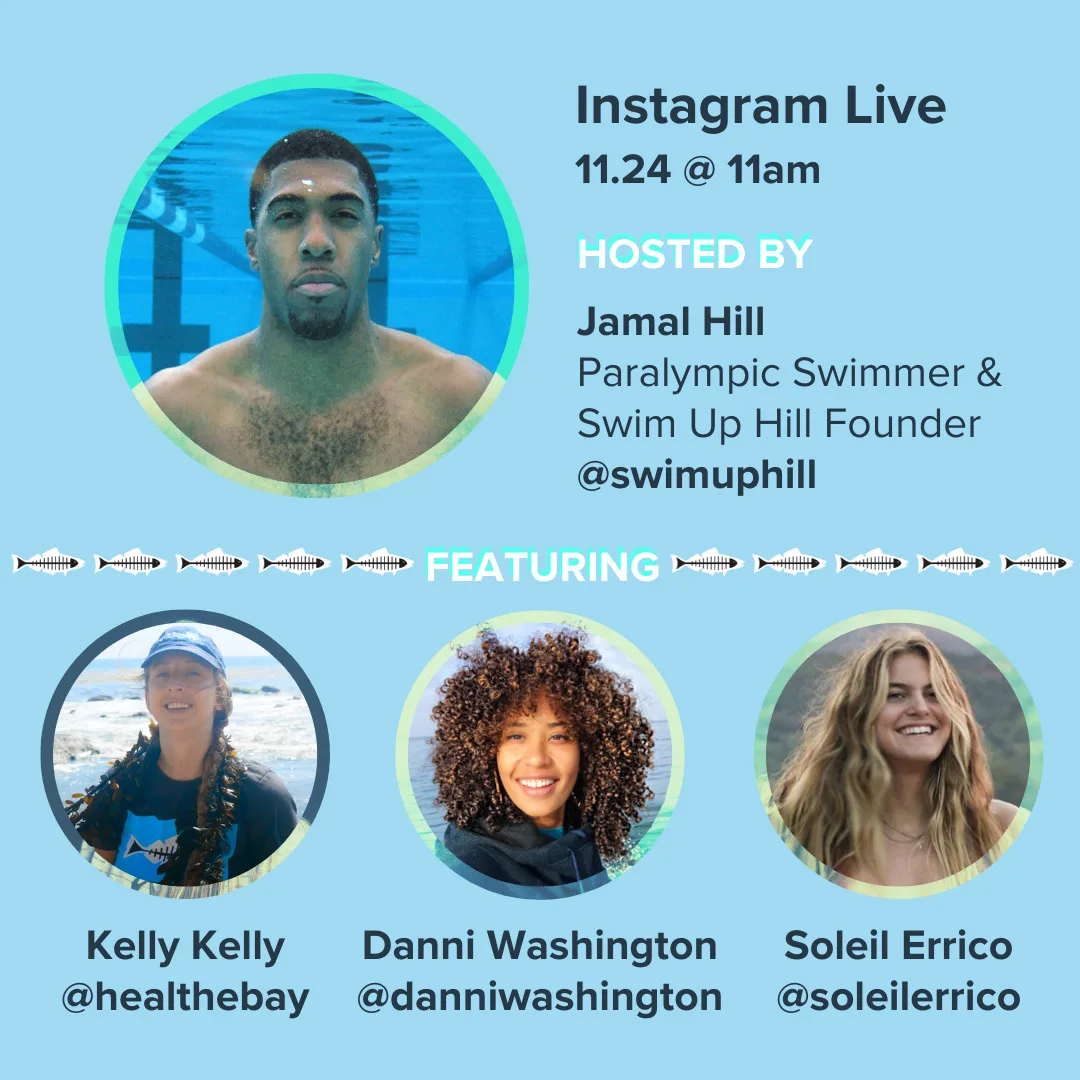
Tune in to Instagram Live with Jamal Hill and Kelly Kelly – Education Manager at Heal the Bay, Danni Washington – TV Host and Co-Founder of Big Blue & You), and Soleil Errico – World Longboard Champion for a series of conversations about equity in water safety and swimming, environmental education and advocacy, and the journey to becoming a pro water athlete. We’ll get started at 11am PT on Tuesday, November 24. Follow @swimuphill on Instagram to watch live and ask questions.
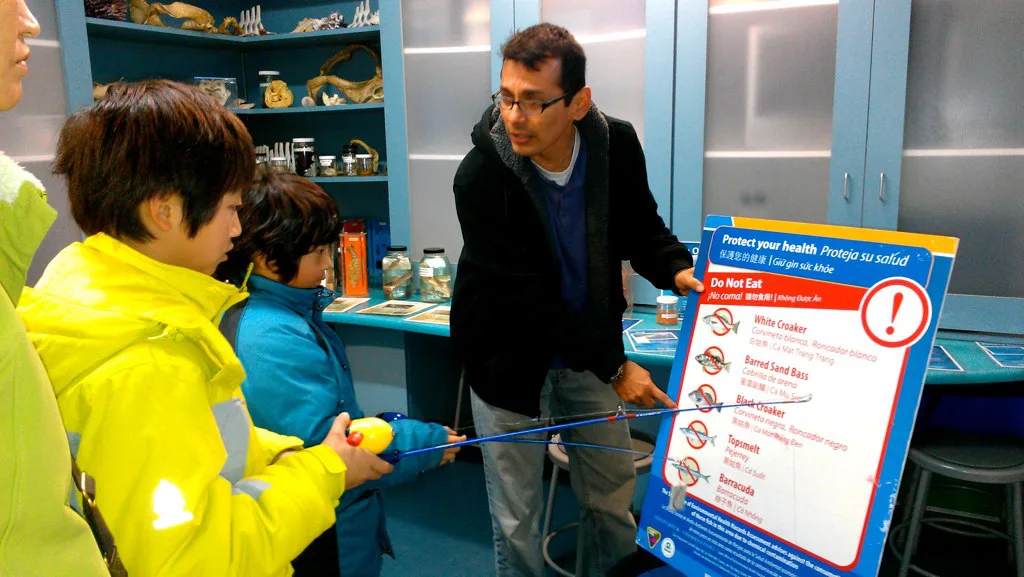
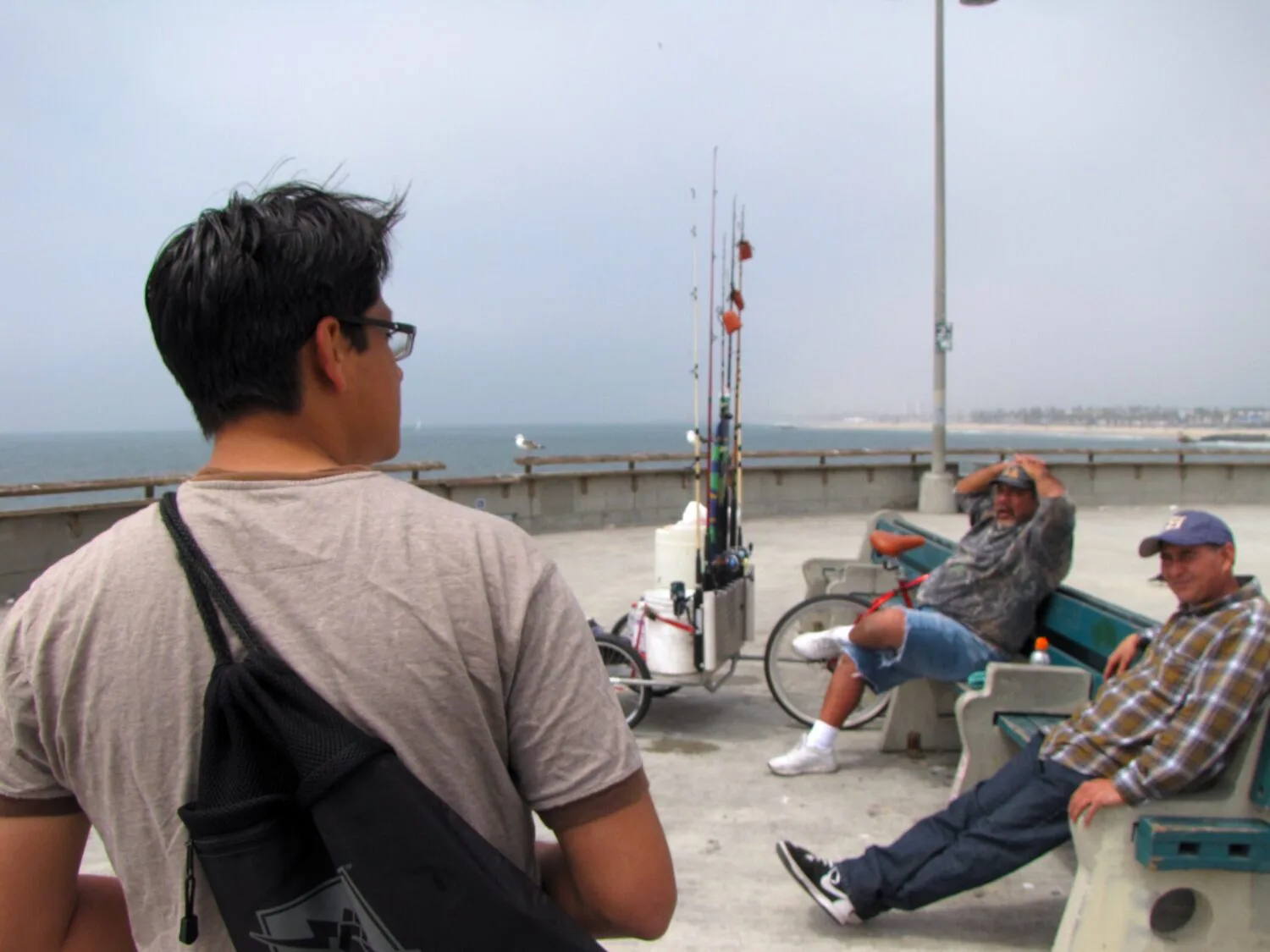
Heal the Bay’s Angler Outreach Program, through the EPA’s Fish Contamination Education Collaborative (FCEC), has been visiting eight Los Angeles County and Orange County piers throughout the last 17 years, talking to anglers about fish contamination and how to stay safe and healthy. Many anglers come to the coast to catch fish to eat for themselves and their families. Our previous researchindicates that 78% of pier anglers fish for subsistence.
To better understand the local angler community, our outreach team collects zip code information from individuals fishing on piers and along the coast. We recently analyzed this survey data from 2018 and 2019. Our findings help us understand where anglers are located and how to better serve them.
In 2019, we talked to 8,488 anglers and collected zip codes from 3,052 of those anglers. We collect zip codes only from anglers who are surveyed for the first time. Most of the zip codes (3,001) were from California. The rest were likely tourists and visitors. We even talked with some anglers from as far away as Alaska — fishing in Alaska is surely different than LA!
In both 2018 and 2019, one location had the highest density of anglers surveyed: Hawthorne (90250), a city in the South Bay in southwestern LA County bordered by the 105 freeway on the north and the 405 freeway on the west. According to the LA Times and census data, Hawthorne is a diverse area in the South Bay and LA County with a 44.2% Hispanic, 32.4% Black, 12.9% White, and 7.6% Asian population.
In both 2018 and 2019, a few areas showed up in the top five zip codes of anglers: Compton and Willowbrook (90222), Long Beach (90805), and South El Monte (91733).
In both years, many anglers hailed from areas in the San Gabriel Valley, including South El Monte and Rosemead. The demographics of these two areas differ greatly: South El Monte has a predominantly Hispanic (86.2%) population; Rosemead has an Asian (48.6%) and Hispanic (41%) population.
It has been widely shownthat People of Color are disproportionately impacted by pollution. This environmental injustice includesair pollution, water pollution, waste dumping,oil drilling and refining,fish contamination, and more.Many communities where anglers live have high pollution burdens on CalEnviroScreen, a tool that compiles environmental, health, and socioeconomic information to produce a score showing which communities are most affected by and most vulnerable to pollution.
It is imperative that our Angler Outreach Program reaches people effectively in order to protect public health. In example, if anglers speak Spanish, Chinese, and Vietnamese as their first language, warning signage and other resources about fish contamination that are written in English may not be effective. Our Angler Outreach Program has employed multilingual team members who directly engage local anglers about fish contamination and how to stay safe. We have produced educational materials and resources in English, Spanish, Chinese, and Vietnamese.
Using the results of our zip code survey, we created a heat map of where anglers are located in Los Angeles County, and through it we see many opportunities for additional outreach in specific areas. Ensuring there is accessible and relevant information across Heal the Bay’s programs, especially in top angler zip codes, can increase the number of people we reach and maximize impact.
It is interesting to also use our zip code survey analysis to gauge how effective other Heal the Bay programs are at reaching angler communities. Heal the Bay Aquarium hosted 24 field trips for 1,217 students from schools in the top angler zip codes* in 2017. Heal the Bay’s Speakers Bureau Program gives free talks (previously in-person and now virtually) throughout LA County, and we gave 39 talks to 2,985 people in the top angler zip codes* in 2017. While Heal the Bay conducts outreach and provides education in many of the communities where anglers are located, there is ample room for growth and a lot more to be done! We are excited to continue our analysis and find new ways to engage anglers and their families with helpful information.
Para comprender mejor a la comunidad de pescadores locales, nuestro equipo educacional recopila información de los códigos postales de las personas que pescan en los muelles y a lo largo de la costa. Recientemente analizamos los datos de estas encuesta del 2018 y 2019. Nuestros hallazgos nos ayudarán a comprender major de donde vienen los pescadores y cómo servirlos mejor.
En 2019, hablamos con 8.488 pescadores y recopilamos códigos postales de 3.052 de ellos. Recopilamos códigos postales solo de pescadores que fueron encuestados por primera vez. La mayoría de estos códigos postales (3.001) eran de California. El resto probablemente fueron de turistas y visitantes. Incluso hablamos con algunos de ellos que provenían de lugares tan lejanos como Alaska. ¡Pescar en Alaska es seguramente diferente a LA!
Tanto en el 2018 como en el 2019, una ubicación tuvo la mayor densidad de encuestados: Hawthorne (90250), una ciudad en South Bay en el suroeste del condado de Los Ángeles que limita con la autopista 105 al norte y la autopista 405 al oeste. Según el LA Times y datos de censo, Hawthorne es un área diversa en South Bay y en el condado de Los Ángeles, con una población que consta de 44,2% latinos, 32,4% negros, 12,9% blancos y 7,6% asiáticos.
Tanto en el 2018 como en el 2019, tres códigos postales aparecieron en los cinco principales códigos postales de los pescadores y fueron: Compton y Willowbrook (90222), Long Beach (90805) y South El Monte (91733).
En ambos años, muchos pescadores vinieron de áreas del Valle de San Gabriel, incluyendo South El Monte y Rosemead. La demografía de estas dos áreas es bastante diferente: el South El Monte tiene una población predominantemente latina (86,2%), Rosemead tiene una división más pareja entre las poblaciones asiáticas (48,6%) y latina (41%).
Se ha demostrado ampliamente que las personas de color se ven afectadas de manera desproporcionada por la contaminación. Esta injusticia ambiental incluye la contaminación del aire, agua, vertimiento de desechos, extracción y refinación de petróleo, contaminación de peces y otras. Muchas de las comunidades de donde provienen los pescadores tienen altas cargas de contaminación. En CalEnviroScreen, una herramienta que recopila información ambiental, de salud y socioeconómica para producir un puntaje que muestra las comunidades son más afectadas y las más vulnerables a la contaminación.
Es imperativo que nuestro Programa Educacional Pesquero eduque y llegue a las personas de manera efectiva para proteger la salud pública. Por ejemplo, si los pescadores hablan español, chino y vietnamita como primer idioma, es posible que las señales de advertencia y otros recursos sobre la contaminación de peces no sean efectivos si solo están escritos en inglés.
Nuestro Programa Educacional Pesquero ha empleado a un equipo multilingüe que involucra directamente a los pescadores locales sobre la contaminación de peces y cómo mantenerse a salvo. Hemos producido materiales y recursos educativos en inglés, español, chino y vietnamita.
Utilizando los resultados de nuestra encuesta sobre el código postal, pudimos crear un mapa para saber de dónde vienen los pescadores en el condado de Los Ángeles, y a través de él hemos visto muchas oportunidades de llegar con programas adicionales en áreas específicas. Asegurarse que haya información accesible y relevante en todos los programas de Heal the Bay, podría aumentar la cantidad de personas a las que llegamos y poder maximizar el impacto de nuestro trabajo, especialmente en las áreas de códigos postales de donde provienen la mayor cantidad de pescadores.
Es interesante también poder utilizar nuestro análisis de encuestas de código postal para evaluar la eficacia de otros programas de Heal the Bay y poder llegar a las comunidades de donde provienen los pescadores. En el año 2017, el Acuario de Heal the Bay organizó 24 excursiones para 1,217 estudiantes de escuelas que estuvieron ubicadas en los principales códigos postales de donde provienen los pescadores. En ese mismo año, el programa Speakers Bureau de Heal the Bay ofreció charlas gratuitas (anteriormente en persona y ahora virtualmente) en todo el condado de Los Ángeles, y dimos 39 charlas a 2,985 personas con códigos postales de donde provienen los pescadores. Si bien Heal the Bay lleva a cabo actividades de divulgación y brinda educación en muchas de las comunidades donde se encuentran los pescadores, hay mucho espacio para el crecimiento y mucho más por hacer. Estamos emocionados de continuar nuestro análisis y encontrar nuevas formas de involucrar a los pescadores y sus familias con información útil.
This has been a year of hardship and heartbreak. Many people are lamenting its losses and eager to get out of 2020 and into the new year. I have felt the deep pain of the pandemic, the wildfires, and the unpredictable politics of this unprecedented year. But I am seeing something else too: I see progress. I see change. I see a new future ahead of us.
During these stressful times Heal the Bay worked differently, and harder than ever, to fight for clean water in LA.
This year, people joyfully returned to the beaches and rivers they treasure. Heal the Bay was there. Our most recent River Report Card and Beach Report Card ensured the latest water quality grades were publicly available. But we still have so much more work to do to make our outdoor spaces safe and accessible for all. Heal the Bay is prioritizing water quality monitoring during a health crisis that has caused many public places and services to shut down.
This year, the momentum shifted on plastic trash. More and more people want to rid our environment of this toxic scourge. As a result, we secured more than 800,000 signatures to put a major plastics reduction initiative on the 2022 California Ballot. A robust statewide policy is the logical next step after a patchwork of bans on plastic bags, straws, and Styrofoam have already been implemented. Heal the Bay is pushing for the most comprehensive approach that replaces single-use disposable plastics with sustainable options.
This year, activists put the spotlight on environmental justice. Oil drilling in neighborhoods, polluted water, lack of open space, and many other systemic injustices are being called out for their racist underpinnings. A powerful movement is underway. Heal the Bay is investing more resources to ensure our organization’s impact is equitable for underserved communities.
This year, I saw your commitment. Heal the Bay’s Coastal Cleanup Month mobilized thousands of volunteers to pick up 40,000 pieces of trash from their favorite outdoor places. Our team conducted the first large-scale effort to track PPE litter in the environment. We connected and empowered 4,000 youth and two million individuals and families through science, education, community action, and advocacy. Heal the Bay is amplifying the anti-pollution message far and wide.
The pandemic can’t stop—and won’t stop—the power of water to inspire change!
Thank you for supporting Heal the Bay this year. Every note we get from you, every Zoom we do with you, every phone call we have with you, every gift we receive from you… your commitment motivates us time and time again.
Fall in Los Angeles means earlier evenings, vibrant sunsets, thicker wetsuits for surfers, autumn colors taking over the San Gabriel Mountains, and the first rainfall of the season is inevitably approaching with winter rains following. We welcome the much-needed showers to quench our environment and combat wildfires. However, the first rainfall (aka the first flush) also impacts the health of our local watersheds and beaches.
The Risk
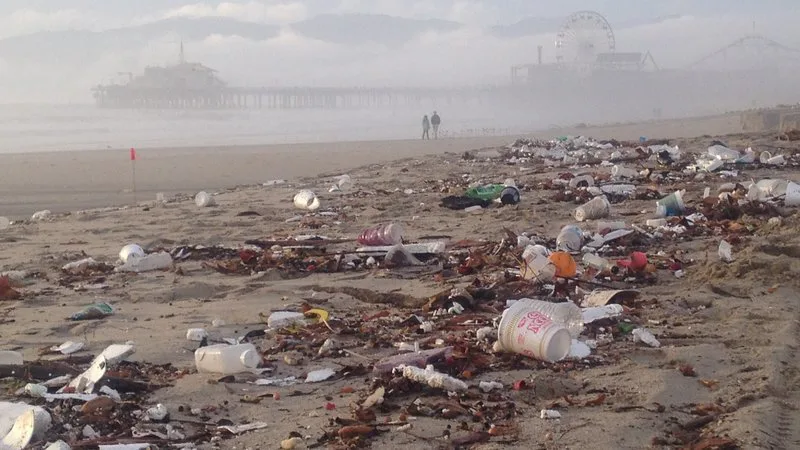
Stormwater is a major source of pollution for the rivers, lakes, and ocean in Los Angeles County. The first flush brings a flood of water, toxins, and trash from our streets straight onto our beaches through the storm drain system. The runoff eventually dumps a mountain of trash onto shorelines, from Malibu to Redondo Beach, without any treatment or screening. This poses a significant risk, not only for wildlife and marine life who can ingest trash or get entangled, but also to the health of our communities. This is why we have suggested safety precautions after a rainstorm, like waiting 72 hours to go swimming and staying at least 100 yards away from any flowing outfall that looks like a stream meeting the ocean.
The Data
During Coastal Cleanup Month in September 2020, Heal the Bay volunteers removed more than 40,000 pieces of trash, including food wrappers, straws, takeout containers, and plastic grocery bags from our neighborhoods, parks, trails, and beaches. Personal Protective Equipment (PPE) even made the list of top items found for the first year ever. The 4,320 pounds of trash would have been swept through the storm drain system and out on the beach after the first flush if our amazing volunteers didn’t take action.
Coastal Cleanup Month ended weeks ago, but the trash in our environment continues to pile up. The first flush will happen soon, and it will take all of the accumulated pollution in our communities and storm drains and dump it straight onto our beaches. We have a finite amount of time to remove this trash before it reaches the ocean and becomes marine debris.
How Can You Help?
For several years now, Heal the Bay deploys a team of first responders known as the Storm Response Team in an effort to remove trash and debris around low tide before it heads out to sea. This dedicated team braves the elements and heads to designated areas immediately following a rain event.
We need more volunteers to join our Storm Response Team for the rainy season to help remove trash, track data, and/or document photos. If you’re interested in being the ocean’s first responder after a storm and protecting our environment and community, sign up to receive alerts about volunteer opportunities!
Heal the Bay will host a virtual training for our Storm Response Team to brief volunteers on what to expect and ensure the team is prepared to conduct individual cleanups after the first rainfall. When a storm hits, volunteers will receive an email a day (or sometimes just hours) in advance of low tide with relevant details and location recommendations. At that point, our Storm Response Team can spring into action, spreading out along the coast and collecting as much trash as possible before it is swept out to sea.
When I first visited Los Angeles in 2015, I was not interested in seeing the Hollywood Walk of Fame or the Hollywood Sign. Instead, I asked my local friends to take me directly to the L.A. River. I wanted to see the hallmark concrete embankments where so many movie car chases happened and the thin ribbon of water I watched my favorite skateboarders jump over (with mixed success).
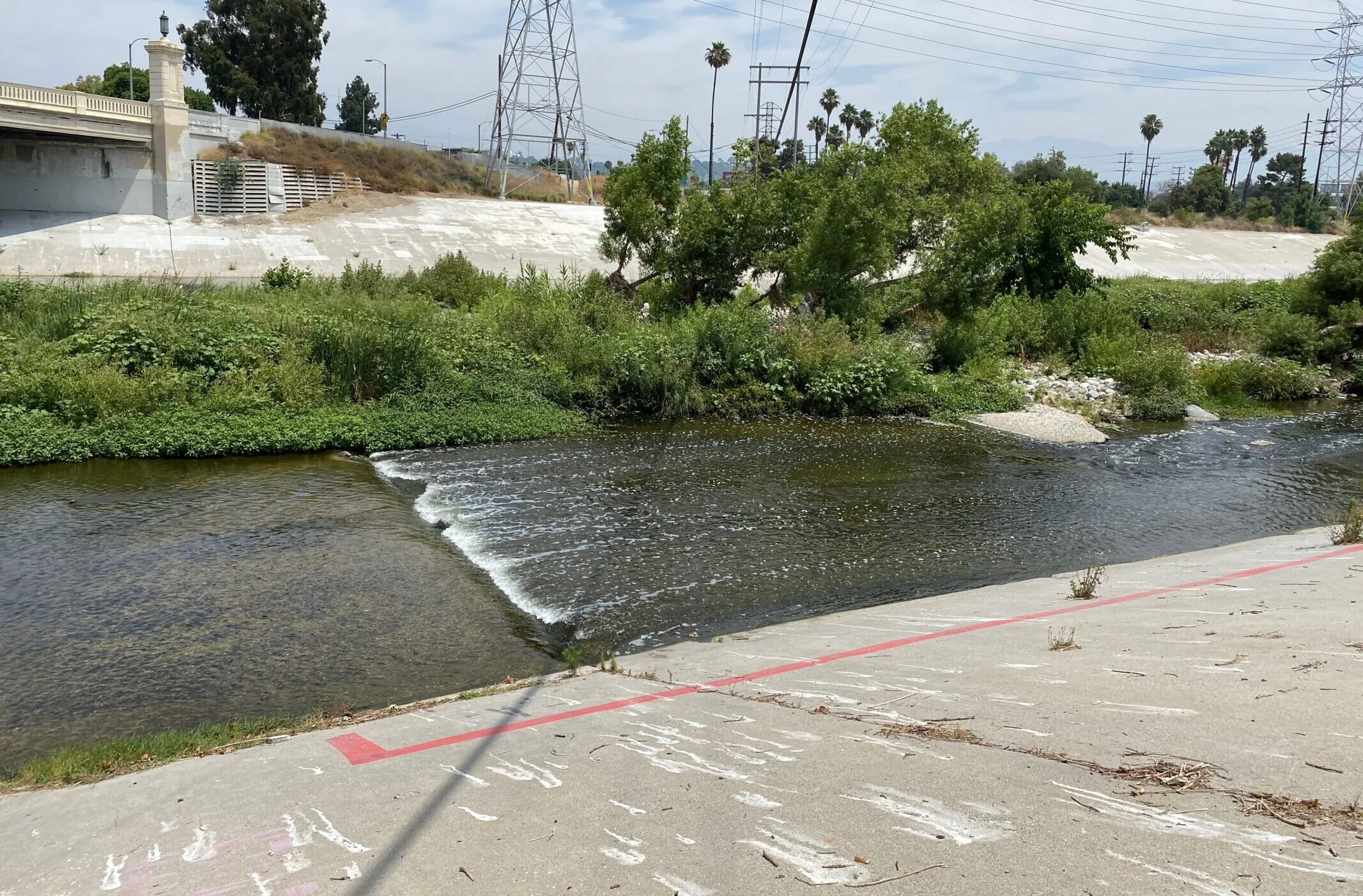
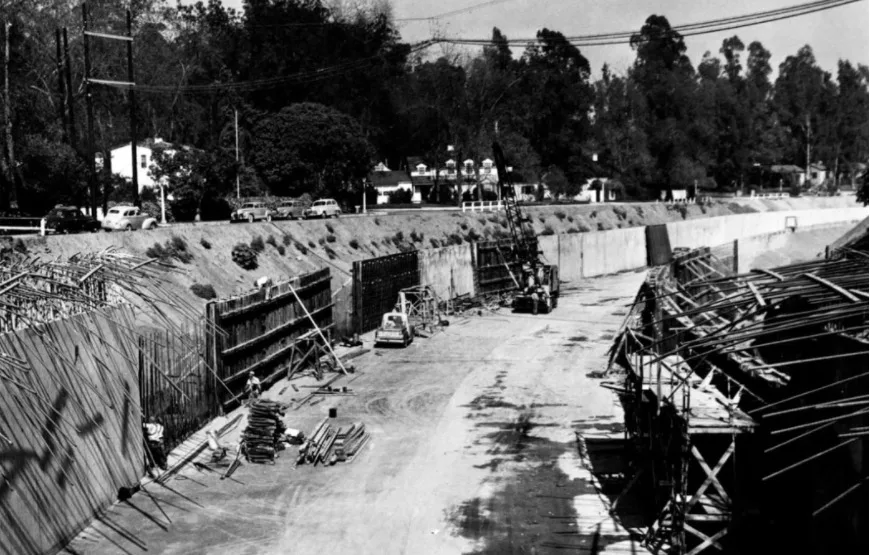
The L.A. River has A-List status far outside of the Los Angeles area, and is recognized by people all over the globe. Its notoriety is mostly due to its unique appearance. It doesn’t look like a typical river at all, instead it looks like – and functions as – a storm drain channel.
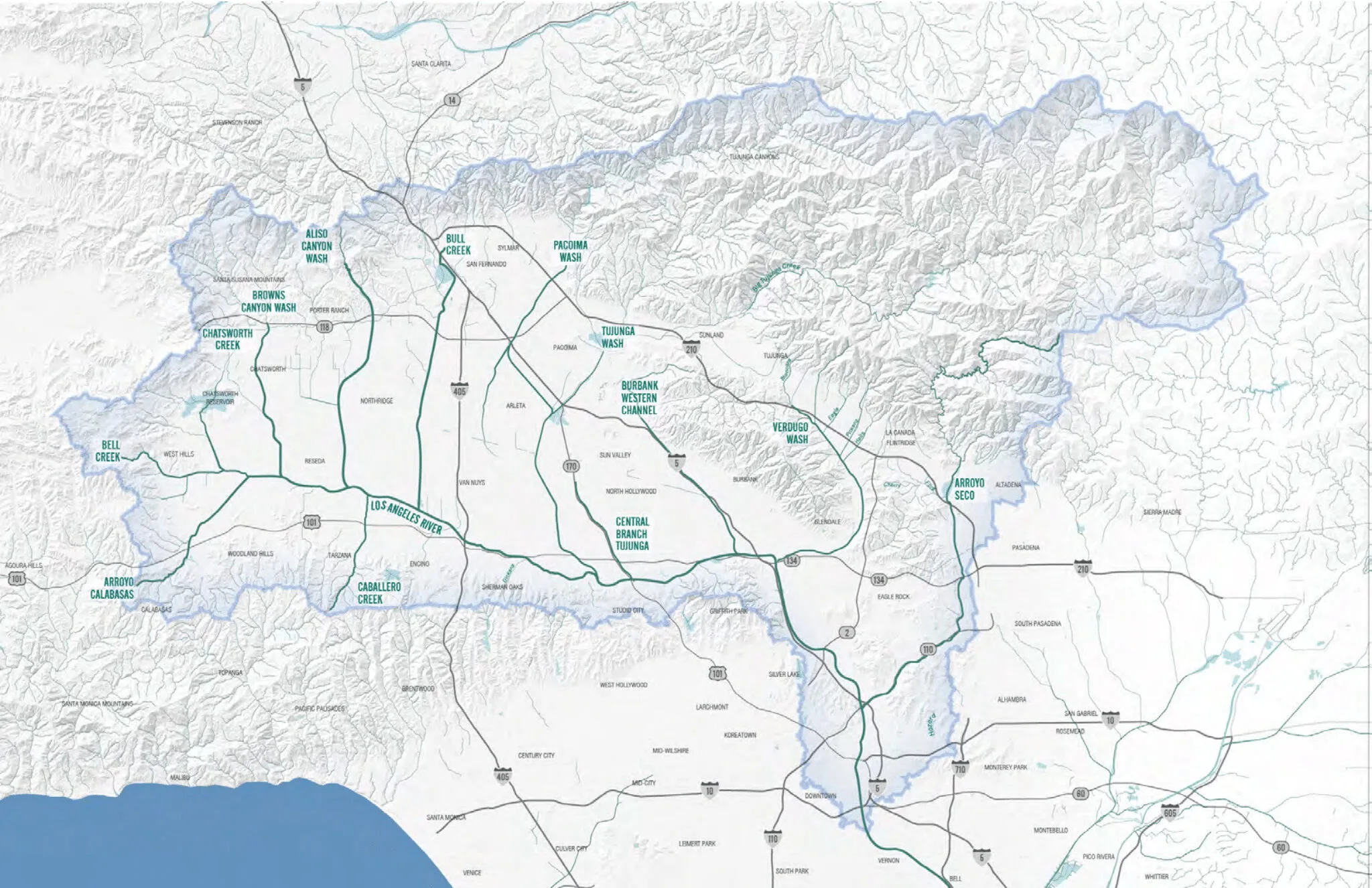
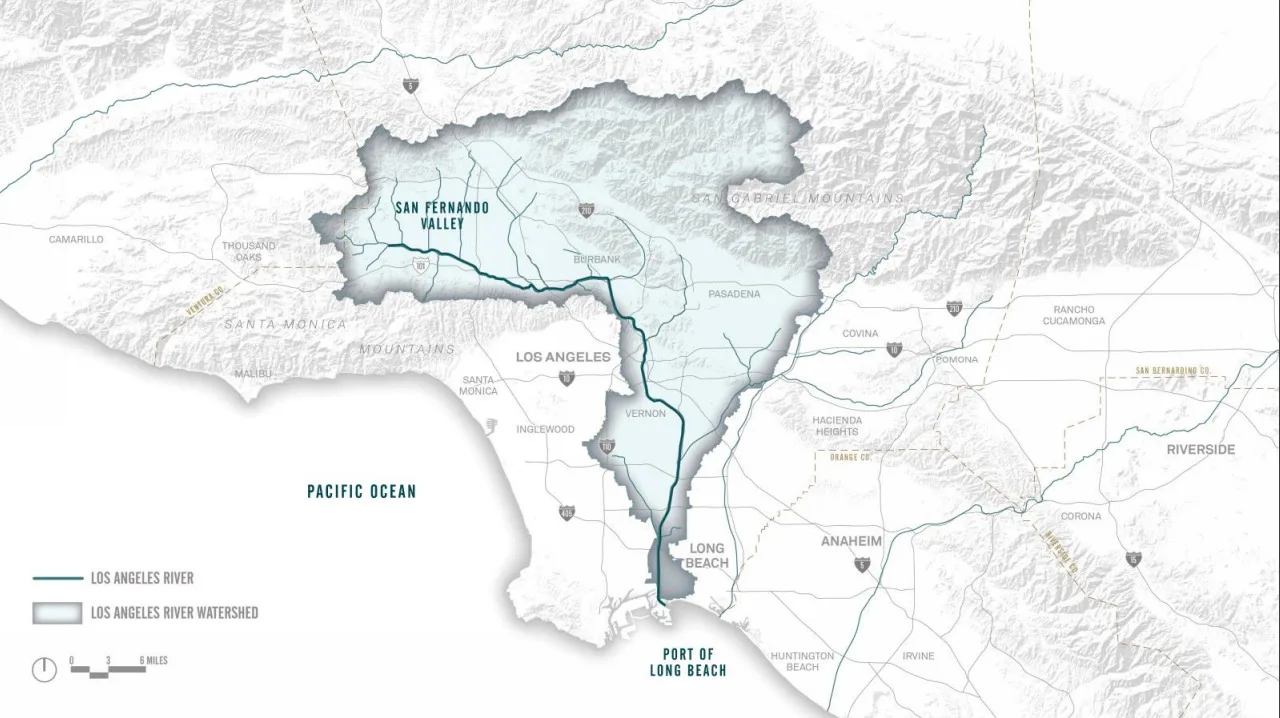
The L.A. River begins in Canoga Park where Bell Creek and Arroyo Calabasas converge, and it runs 51 miles through the City of Los Angeles and over 17 other cities, draining over 800 square miles of land, before it flows into the Pacific Ocean in Long Beach.
The History of the L.A. River
In pre-colonial Los Angeles County, water from rivers and streams naturally flowed and supported Tongva, Tataviam, and Chumash Peoples in the area. Later, the L.A. River and its tributaries supported the colonial settlements that were violently and coercively established on local Indigenous territories.
1800’s Before Colonial Settlement. Source: Seaver Central For Western History Research / Natural History Museum Los Angeles County, riverlareports.riverla.org
A population boom in the early 1900’s meant the L.A. River and its tributaries could no longer support the water demand for the area. Cities began sourcing water from the Colorado River and Northern California, and the L.A. River gradually went from being a vital local water source to being seen as a nuisance.
From 1900-1940 there were multiple floods of the L.A. River that destroyed neighborhoods and resulted in fatalities. The colonial cities along the river failed to respect the L.A. River as the Indigenous People had, and instead built homes and buildings within the River’s floodplain.
1938 Colfax Avenue Bridge Studio City. Source: Regional History Center / USC, riverlareports.riverla.org
In response to the floods, the U.S. Army Corps of Engineers decided to pour concrete over the sides and bottom of the L.A. River channel and its tributaries to create a network of concrete storm drain channels. The concretization of the river led to a reduction in flood risk because it forced water to flow much more quickly down the river and out to the ocean. But, the concrete completely decimated the river ecosystem and the services it once provided, including cultural value, habitat for wildlife, and greenspace for recreation.
After the river was concretized, Indigenous People, activists, and environmental organizations demanded the restoration of the L.A. River and its tributaries back into a functioning natural river ecosystem.
Now with the climate crisis, we can no longer afford to have a concretized river system that solely provides flood control. We need a river system that will help cool communities as temperatures rise, provide habitat for diverse wildlife, increase local water resiliency, and serve as a greenspace where communities can recreate and reconnect with nature and culture.
Government agencies have identified the need to re-establish all of the lost ecosystem services as well, and have implemented six major plans with the goal of transforming the L.A. River and its tributaries into a multi-benefit system that will serve the surrounding communities.
Here we summarize these plans and let you know how to get involved.
Los Angeles River Master Plan Update (LARMPU)
The LARMPU is a plan created by L.A. County with the goal of transforming the L.A. River. The original Master Plan was drafted in 1996, and its main goal was to beautify the river while maintaining its functionality as a stormwater conveyance system. The 2020 update of the Master Plan was set into motion to ensure the L.A. River has spaces that provide more benefits in addition to flood abatement and beautification. As stated in the plan, projects will reduce flood risk; improve parks and open space; improve river access; support the ecosystem; provide cultural and educational opportunities; address housing affordability and homelessness; improve local water resilience; and promote water quality.
Heal the Bay was selected to serve as a Steering Committee member for the update and has been attending meetings and offering feedback over the last two years. The updated Master Plan for the entire River is expected to be released to the public in the next few weeks as a draft open for public comments – stay tuned for updates on that and be ready to share your thoughts on the River and the Master Plan.
The ULART Working Group (formed by Assembly Bill 466 & Senate Bill 1126) developed this plan so low income communities with limited access to greenspace in the L.A. River Watershed have the opportunity to implement projects such as parks and paths along the river. The ULART Plan was developed to revitalize the L.A. River from Canoga Park to Vernon as well as Aliso Canyon Wash, Pacoima Wash, Tujunga Wash, Burbank Western Channel, Verdugo Wash, and the Arroyo Seco. This plan has identified areas along the L.A. River and its tributaries where multi-benefit projects will be implemented. This is the only plan discussed here that addresses tributaries, which have largely been ignored by revitalization efforts in the past.
As stated by the ULART Plan, the goals are to enhance the ecosystem; maintain and enhance flood management; increase opportunities for culture, arts, and recreation; and increase connectivity and green space along the river system. This plan has identified areas along the L.A. River and its tributaries where projects such as parks and bike paths can be designed and implemented. And, community members are encouraged to collaboratively develop project ideas and get them constructed. The plan was finalized and adopted in April 2020 and can be found on the ULART website.
Lower L.A. River Revitalization Plan
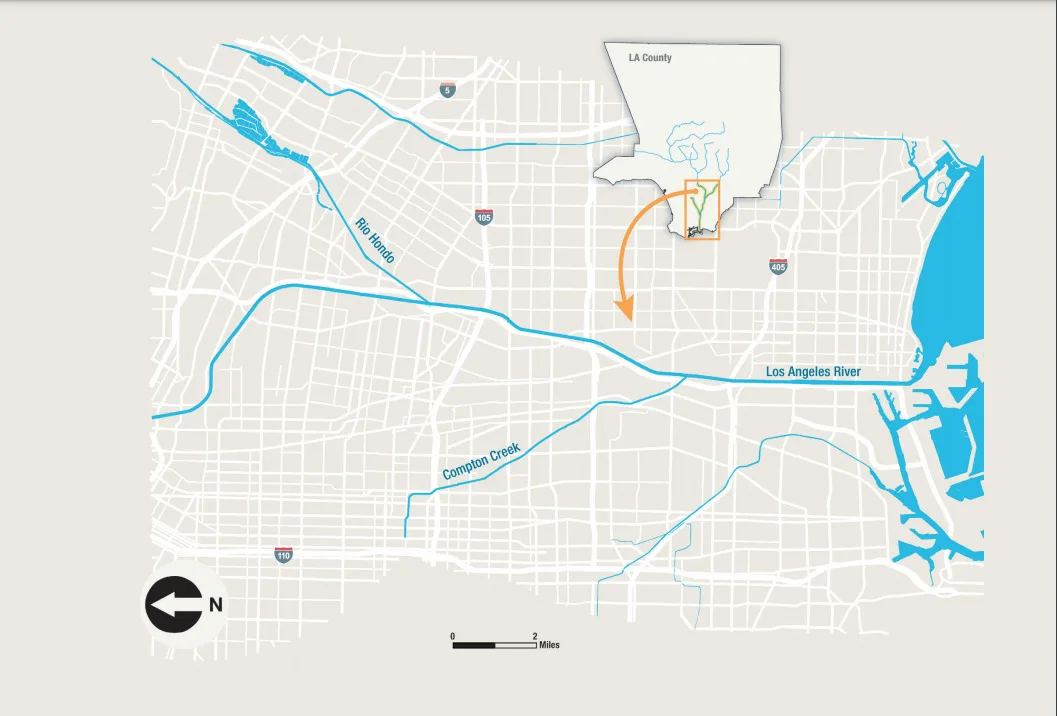
The Lower L.A. River Revitalization Plan was set forth in Assembly Bill 530, and unlike the other plans discussed, has been in the implementation phase since 2018. This plan covers revitalization efforts in the lower 19 miles of the L.A. River from Vernon to Long Beach. Communities in this section of the river have lower than average incomes in L.A. County, are predominantly People of Color, and have been historically underserved by economic, educational, and environmental services. Local residents are disproportionately exposed to pollution and have little access to green space among other environmental injustices. Therefore, it is crucial the Lower L.A. River Revitalization Plan works to create benefits that will address systemic issues. As stated by the plan, the goals are:
Create diverse, vibrant public spaces along and connected to the Lower Los Angeles River resulting in safe, inviting, healthy green spaces that support diverse local communities, allowing equitable access to nature and a variety of recreation entertainment, multi-modal transportation and socio-economic opportunities that enhances quality of life and sustains watershed health.
Conserve and restore natural river and watershed functions while managing flood risk, enhancing the long-term ecosystem services provided to surrounding communities and mitigating climate changes and environmental impacts of urbanizing on the Lower L.A. River, floodplains, and associated habitats.
Heal the Bay was on the Working Group to help develop and offer feedback on the Plan and currently attends the Implementation Advisory Group meetings, where specific projects are brought forward for discussion and feedback in context of the Master Plan.
Los Angeles River Revitalization Master Plan (LARRMP)
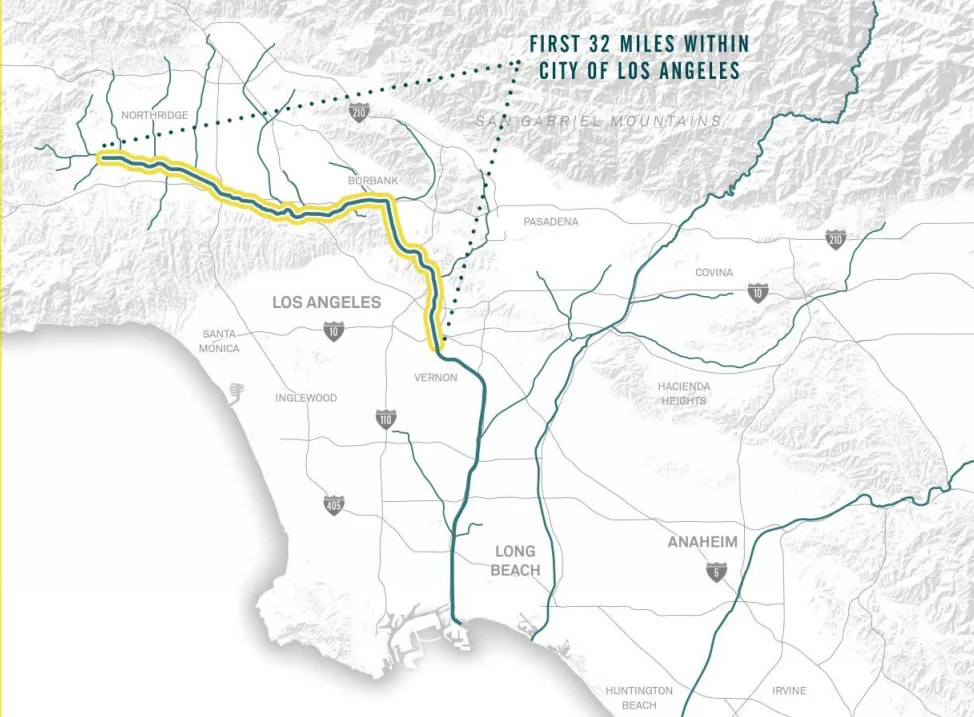
This LARRMP was approved by the Los Angeles City Council in 2005, and it aims to revitalize the 32 miles of the L.A. River within L.A. City limits. The plan is intended to serve as a blueprint for transforming the river over the next 25-50 years, and the four “core principles” of the plan are as follows:
Revitalize the river by creating a continuous stretch of riparian habitat throughout the 32 mile section of the river in the city boundaries. The plan states that concrete removal will be considered as long as flood abatement ability of the river channel is not compromised.
Creating a continuous “River Greenway” that would consist of a network of bikeways, pedestrian paths, “green connections,” and open space.
Create a river that is safe, accessible, healthy, sustainable, and celebrated. The LARRMP states that it will address environmental justice issues by redeveloping polluted areas and providing natural spaces in neighborhoods that lack them.
Create value by encouraging participation and consensus-building, creating opportunities for sustainable, economic reinvestment, and adding value and providing an equitable distribution of opportunities to underserved neighborhoods along the River.
Projects under this plan are still ongoing, but some projects like Albion Riverside Park, have already been completed. Check the LARRMP website for updates.
Los Angeles River Ecosystem Restoration Feasibility Study
Adopted by the Los Angeles City Council in 2016, this proposed plan would transform 11 miles of the Elysian Valley in the Los Angeles River. The restoration would include the creation of riparian and marsh habitat, enhancing habitat connectivity to other natural areas such as the Santa Monica and San Gabriel Mountains. The plan will also include a natural hydrologic regime with the goal of restoring historic floodplains and connections to Los Angeles River tributaries. Ecological restoration under this plan will also allow for certain passive recreation opportunities like nature walks. There are some preliminary projects that must be completed before this plan is implemented, but the project is expected to be completed by 2029.
Los Angeles River Flows Project
Historically, the water in the L.A. River came from rainfall and groundwater upwelling in the Glendale Narrows. While that remains the case today, wastewater is now the dominant source of water in the main channel of the river during dry weather. The Tillman Water Reclamation Plant in Van Nuys and the Los Angeles-Glendale Water Reclamation Plant near Griffith Park both discharge treated wastewater into the L.A. River on a daily basis. Although this water originated from toilets, sinks, and drains, it is relatively free of contaminants like fecal matter.
In light of the recent long-term drought conditions in California and the looming threat of climate change, wastewater managers in L.A. are rethinking the practice of discharging treated wastewater into the L.A. River. That wastewater can be recycled, which would result in improved water resilience in times of drought and sustainable local water. However, the reduction of wastewater discharges into the river poses a potential problem for the river ecosystem that has come to rely on that water source. The State Water Board and other stakeholders have created the Los Angeles River Flows Project to evaluate the environmental and recreational impacts of reducing wastewater discharge into the L.A. River. The goal is to identify a water flow regime that will support a healthy river ecosystem, allow for recreation opportunities, and recycle enough water to be drought resilient.
Right now, the L.A. River Flows Project has been conducting analyses to identify the optimal flow regime, and research and meetings are planned to continue through the end of 2020. After that, a plan will be drafted and there will ideally be an opportunity for the public to weigh in on the plan.
Heal the Bay is a member of the Technical Advisory Committee as well as part of the Stakeholder Working Group. We will keep you updated on the progress of this and if there are opportunities for the public to voice their comments.
What’s with all these plans for the L.A. River?
Revitalizing the L.A. River is a monumental task so it makes sense to break the revitalization effort into different pieces. However, the main reason for this patchwork of plans is that they are all being led by different agencies. The LARMPU was created by L.A. County and ULART and the Lower L.A. River Revitalization Plan were created by legislation at the state level. The L.A. River Flow Plan was mandated by the State Water Resource Control Board. The LARRMP and L.A. River Ecosystem Restoration Feasibility Study are both overseen by the City of Los Angeles. Each plan states that it will work in conjunction with all the other plans; however, it is unclear what that collaboration will look like as three of the plans are not in the implementation phase yet.
What will these plans do exactly?
The L.A. River Master Plan, ULART, LARRMP, and Lower L.A. River Revitalization Plan will all identify areas along the L.A. River watershed where there is space for a project. A project can take the shape of many different things such as a park, retail space, housing, bike path, nature trail, and habitat among other things. The spaces where these projects will be placed are government owned or easily obtainable by a government agency. The Flows Project will not consist of any projects, instead, it will make recommendations on the amount of water in the river. This might change the habitat characteristics of the river as well as the recreational opportunities. We will know more as the plan continues to take shape. The L.A. River Revitalization Master Plan has already identified the locations of proposed projects.
How can I get involved?
When the L.A. River Master Plan is released to the public, you can provide comments about the changes you would like to see in the watershed. The Flows Plan has not been released yet, but the public will have the opportunity to comment when it is released. As plans are implemented, you will have the opportunity to weigh in on each individual project that gets implemented. We recommend tracking these projects on the L.A. River Master Plan, Lower L.A. River Master Plan, ULART Plan, LARRMP, and L.A. River Ecosystem Restoration Feasibility Study websites.
Los Angeles River Access and Points of Interest
Click on a trail segment, access point, or icon for photos and to learn more.
What’s spookier than Halloween? Plastic pollution!
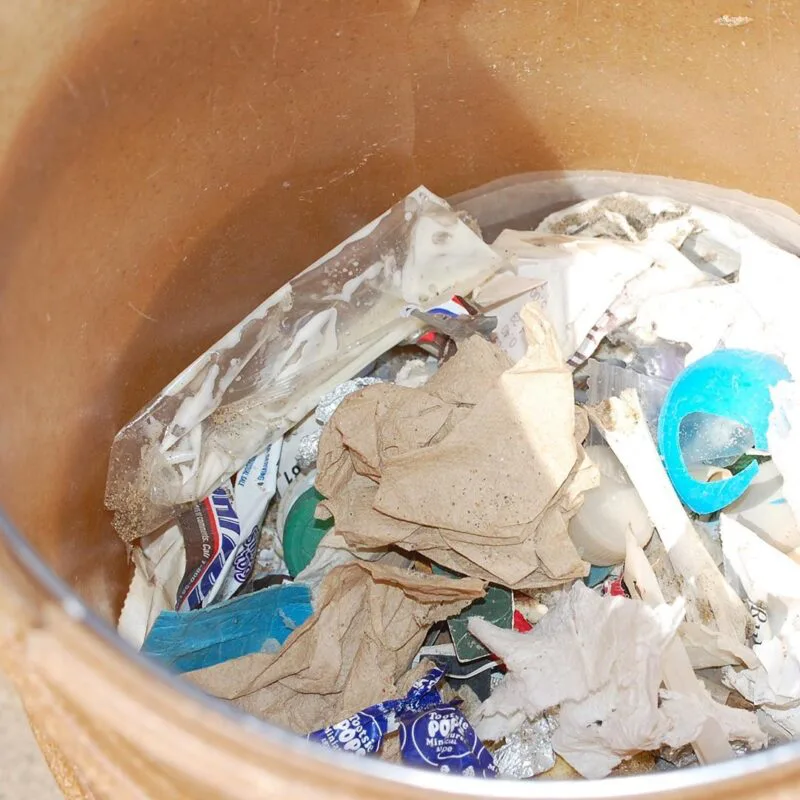
Trash in the ocean and in our neighborhoods, especially single-use plastic waste, negatively impacts public health, water quality, our food supply, marine ecosystem health, and our carbon footprint. Plastic is made from fossil fuels, and toxic pollution from its extraction, development and manufacturing disproportionately impact People of Color and low-income communities.
Around the globe, we produce 300 million tons of plastic annually, 50% of which is used for disposable items. That number is only expected to jump, as Big Plastic pushes their agenda and pumps up plastic production to make up for fuel price losses during COVID-19.
While we’ll keep doing cleanups to pick up the plastic pieces that have already made their way into our environment, a better solution is to shift away from single-use and move toward a thriving culture of reuse.
Help protect our planet! Reduce plastic pollution this Halloween by taking part in our at-home virtual Halloween Challenges below. Tag #healthebayhalloween on social media, so we can “sea” your creepy creations! We’ll feature a few on our feeds, too.
And, tune in to Heal the Bay Aquarium’s Facebook channel on October 31 at 1:00pm for a virtual Spooktacular Saturday Storytime with a family-friendly reading of “The Garbage Monster” by Joni Sensel.
Sustainable Costume Challenge
Calling all frightfully fintastic Halloween a-fish-ianados! Instead of buying a new costume that will come wrapped in plastic packaging – opt for a DIY look. Make a costume with reused, repurposed or upcycled materials from home, local thrift stores, or any items you can find.
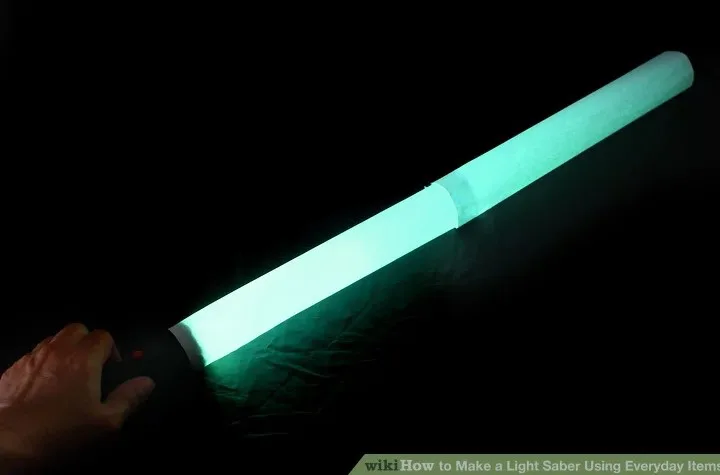
Come on, unleash your kraken of creativity. Create a light saber using the force (of a flashlight and rolled up paper) or swim around your living room with a shark fin made of cardboard, cloth, and safety pins.
Plastic-Free Trick or Treat Challenge
We’re seriously scared by how much single-use food and candy wrappers are in our environment. In the last 5 years, 48,015 food and candy wrappers were picked up by cleanup volunteers in Los Angeles County.
Don’t let the ghost of plastic’s past come back to haunt you. In-person trick-or-treating may be cancelled this year, but we can still enjoy some Halloween favorites at home. Whip up some delicious homemade Halloween candy, purchase candy in recyclable or reusable paper boxes, or opt to give some fun goodies like an ocean animal plush keychain that supports your favorite local nonprofit.
Trash Art Challenge
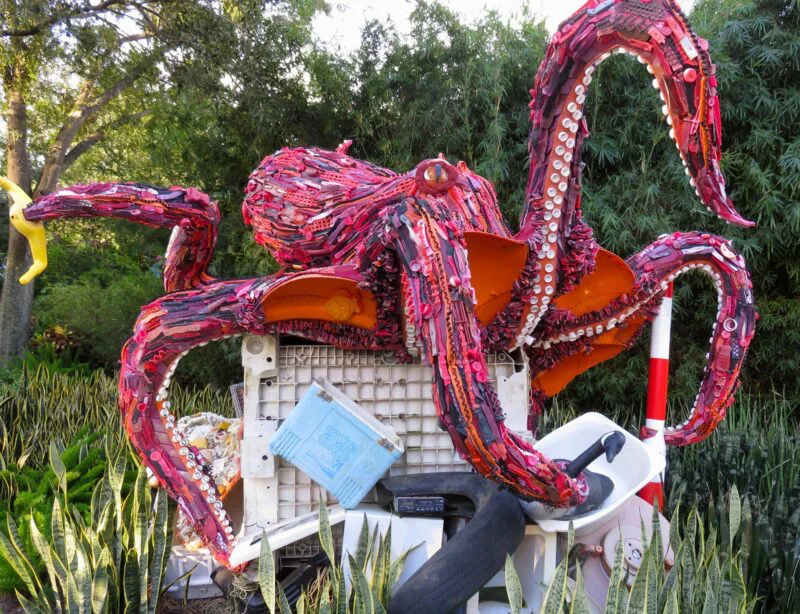
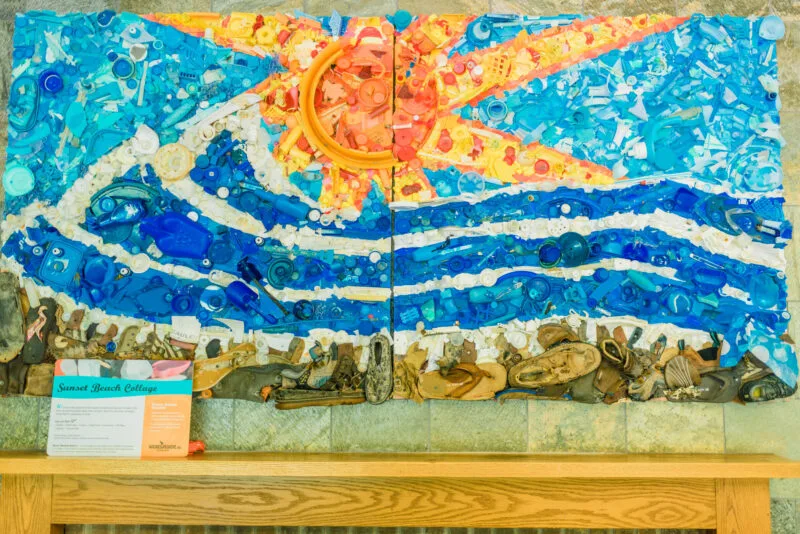
Conduct your own neighborhood or community cleanup, and turn that gross plastic pollution into trash art. Reuse the materials you find to create a garbage monster, sculpture, mosaic, homage to your favorite artwork, or anything you choose—there’s an ocean of creativity that awaits. Remember to wash your hands, avoid using any hazardous materials, and clean the trash before you get to work.
Get Inspired with our Gallery of Ideas
<
►
>
Photo Credit: Washed Ashore, Smithsonian's National Zoo
El reciente cierre de las escuelas significa que gran parte de los estudiantes no reciban la educación diaria necesaria. En estos momentos en los que todos debemos practicar el distanciamiento físico es necesario hacer buen uso de toda nuestra energía y capacidad cerebral e innovar para darle a nuestros estudiantes más oportunidades para seguir aprendiendo de manera remota.
Heal the Bay está respondiendo a esta situación con una nueva serie interactiva de educación científica llamada “Gotas de conocimiento” o Knowledge Drops por su nombre en inglés, donde nuestro grupo de científicos, expertos y defensores exploran el mundo acuático y ofrecen divertidas lecciones acerca del entorno marino. Cada lección tiene una duración aproximada de una hora e incluye una presentación en vivo, una sección de preguntas y respuestas, encuestas y videos. Nuestra nueva serie web está pensada para estudiantes del 3° al 8° grado pero ¡personas de todas las edades son bien recibidas y están invitadas a participar!
Recent school closures mean many students are not getting the daily education they need. While we all should be practicing physical distancing at this time, we also need to put our brainpower and creative energy to good use and innovate to give students more opportunities to keep learning remotely.
Gotitas del Saber is Heal the Bay’s new interactive science education series, where our team of scientists, experts, and advocates explores the water world and offers fun lessons about the marine environment. Each session is about 1-hour long and includes a live presentation, Q&A, polls, and videos. Activities are generally geared for 3rd – 8th grade students, but all ages are welcome and encouraged to attend!
4/22 – LA HISTORIA DEL DIA DE LA TIERRA 🌍 5/6 – CONOCE EL FLUJO 💦
5/13 – DESAGUES PLUVIALES 🌧 5/20 – PLASTICOS 🥤 5/27 – PESCADO CONTIMINADOS 🎣 6/10 – VIRUS Y CALIDAD DEL AGUA ❓ 6/17 – SITIO SUPERFUND 🆘 6/24 – ACUARIO Y LIMPIEZA COSTERA 🐙 7/1 – ÁREAS MARINAS PROTEGIDAS (MPAs)🛡 7/15 – TOXICIDAD ACUÁTICA ❌ 7/22 – LOS CABALLITOS DE MAR Y GARIBALDI 🐴
7/29 – SHARKS AND RAYS / TIBURONES Y MANTARRAYAS 🦈
9/9 – MES DE LA LIMPIEZA COSTERA: ARROYOS DE LAS MONTAÑAS DE SANTA MÓNICA
9/16 – MES DE LA LIMPIEZA COSTERA: HEAL THE BAY’S CALIFICACIONES DEL RÍO
9/24 – MES DE LA LIMPIEZA COSTERA: MUELLES DE PESCA VISITADOS POR EL EQUIPO DE ANGLER OUTREACH PROGRAM DE HEAL THE BAY 🐟 10/28 – PESCADO ESCALOFRIANTE DE LA BAHÍA DE SANTA MÓNICA 👻
11/10 – DE DONDE SON LOS PESCADORES? 🗺
12/15 – CONTAMINACIÓN POR DDT EN LA COSTA DE LOS ANGELES ⚠️
If you are a teacher with a topic suggestion, please contact us with your idea.
Resources and Videos/Recursos:
All previously-recorded Gotitas Del Saber webinar videos are posted here as an ongoing marine science education repository for you to access. (To view the webinar recordings please visit the ‘gotowebinar’ links below and enter in your contact information. We will only use your email address to update you about upcoming “Gotitas Del Saber” and you can opt out at any time.)
Todas las grabaciones anteriores de “Gotas de conocimiento” (Knowledge Drops) son publicadas aquí de manera continua para tu consulta a modo de archivo para la educación de las ciencias marinas. (Para ver las grabaciones en la página web por favor visita los enlaces “gotowebinar” ubicados más abajo e ingresa tu información. Usaremos tu dirección de correo electrónico para mantenerte informado de las nuevas “Gotas de conocimiento” (Knowledge Drops) y podrás salir cuando lo desees.)
Gotitas del Saber: La historia del Día de la Tierra
Si quieres hacer olas, tienes que meterte en el agua. Con la temporada de votaciones sobre nosotros, utilice estos prácticos recursos para crear su océano de cambio.
La votación anticipada se lleva a cabo del 5 de octubre al 2 de noviembre. Si vota por correo, el USPS recomienda que lo haga a más tardar el 27 de octubre.
La misión de Heal the Bay, hacer que nuestras aguas y cuencas hidrográficas de la costa de California sean seguras, saludables y limpias, se ve afectada por cuestiones de injusticia ambiental.
Solo podemos mantener limpios y accesibles nuestros ríos y océanos cuando apoyamos e invertamos en todas nuestras comunidades. Es por eso que estamos recomendando votos a favor en iniciativas que promulguen reformas que apoyen a las comunidades más afectadas por las injusticias ambientales. La justicia ambiental está indisolublemente ligada a la justicia social, y mejorar la equidad mejora la salud y el medio ambiente en nuestras comunidades.
Guía de votantes de Heal the Bay:
El equipo de Heal the Bay creó esta breve guía para votantes para las elecciones del 3 de noviembre de 2020 en el condado de Los Ángeles.
SÍ a la Proposición 16: Acción afirmativa / Estado de California
SÍ a las Props 17 y 18: Aumento del acceso a la votación / Estado de California
SÍ a la Medida J: Reformar el condado de Los Ángeles / Condado de Los Ángeles
SÍ a la Medida RR: Bono de $ 7B para LAUSD / Ciudad de Los Ángeles
Proposición 16: Un voto para permitir la consideración de raza, sexo, color, etnia u origen nacional para abordar la diversidad en el empleo público, la contratación y la educación.
Propuestas 17 y 18: Votos para incrementar el acceso al voto.
Medida J (Condado de Los Ángeles): Un voto para desmantelar el racismo sistémico mediante la inversión en salud, vivienda y empleos.
Medida RR (Los Ángeles): Un voto para mejorar las escuelas del LAUSD y aumentar la seguridad escolar
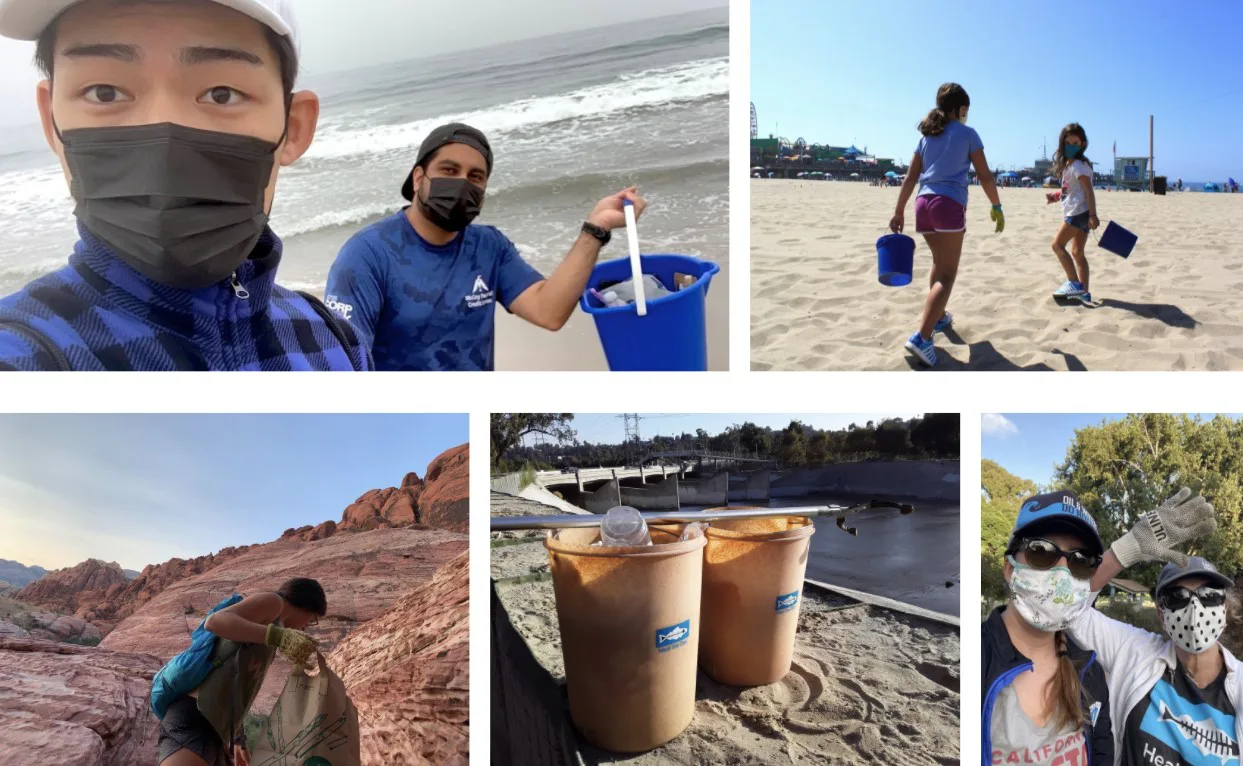
As the sun sets on Coastal Cleanup Month, we are looking back with gratitude and appreciation for everyone who participated in a cleanup, helped us spread the word, raised funds, and joined a virtual event over the course of the month. At a time when it’s easy to feel isolated from one another, it is inspiring to see how we came together across the County, from summit to sea, to protect what we love.
A New Take on 2020
Heal the Bay has been the LA County coordinator for Coastal Cleanup Day for more than 30 years, and 2020 proved to be a completely different cleanup effort than years past. In an effort to prioritize the health and safety of the community, the re-imagined concept was expanded to become an entire month of individualized cleanups close to home and virtual programming to educate about the impacts of trash and pollution and how we can work together towards solutions. Our Heal the Bay Aquarium education team engaged 437 LAUSD students with virtual programming about protecting our watersheds. This was also the first year that we asked for volunteer fundraisers to support our clean water mission. Fundraising teams and individuals raised close to $2,000, and we are grateful for their support.
Each week of Coastal Cleanup Month focused on a different region, starting at the top of our mountains, working through our neighborhoods & waterways, and culminating at our wetlands & beaches. The weekly programming featured a series of panels, webinars, and Instagram Lives with partner organizations that explored the various community and environmental issues facing Los Angeles County.
None of this would have been possible without our Coastal Cleanup Month sponsors, and we would like to thank Water for LA, Blue Shield, K-Swiss, Ford, and West Basin Municipal Water District for their support.
2020 Impact
This year, we set a goal of collecting 31,000 pieces of trash throughout the month of September. Thanks to our dedicated Regional Ambassadors and 2,334 registered cleanup volunteers, we surpassed this goal with a total of 40,101 pieces of trash collected!
The top 10 items found across Los Angeles County in the month of September were:
The Effects of PPE and the Pandemic on Our Environment
Coastal Cleanup Month was the first initiative of this scale to track the impact of the improper disposal of single-use personal protective equipment (PPE) in LA County. In the first year of tracking this item, PPE was one of the top 10 items found by our volunteers, surpassing common items like glass bottles.
Through our data, we can clearly see the effects of the pandemic on our waste stream. Another observation is that people are relying more than ever on takeout, delivery, and outdoor dining at beaches, parks, and other public spaces. Disposable foodware accessories like utensils, straws, and takeout containers were some of the most common items found during cleanups.
The Plastic Problem
Looking at the data collected throughout Coastal Cleanup Month, it’s obvious that single-use plastic is the top offender. From utensils and straws to takeout containers and grocery bags, our lives are filled with plastic – and so is our environment. Unfortunately, the effects of COVID-19 have worsened these single-use habits and curbed a lot of progress that we’ve seen in Los Angeles over the last several years.
Plastic grocery bags were a common item found during cleanups until California became the first state in the nation to impose a statewide bag ban in 2014. Before the pandemic hit, we were making great strides in reducing our single-use plastic waste. We could bring our reusable bags to the grocery store and refill our reusable coffee cups at Starbucks, and our environment and community were all the better for it. Now, plastic producers are using the pandemic to push disposable plastics as a safer option, a position that has no scientific merit. They were able to undo the work of the state bag ban, and grocery stores statewide have not only reintroduced single-use plastic bags, but many have banned reusable bags from entering stores. This year, we saw plastic grocery bags, cups, and lids in the top 10 items found by our volunteers during Coastal Cleanup Month.
We also found that other than cigarette butts and PPE, the top 10 items are all food and drink-related. With the increasing reliance on takeout and delivery, plastic cutlery and other accessories are becoming a bigger and bigger issue. Restaurants often throw these items in takeout bags regardless of whether the customer needs them or not. To put this in perspective, 40 billion plastic utensils are thrown away each year in the United States. Plastic foodware items, like straws, utensils, and condiment packets cannot be recycled, so they are destined to end up in a landfill, incinerator, or polluting our oceans and communities.
How Can You Help?
Plastic pollution may seem like something that is out of your control. However, there are easy ways you can help make waves of change, from using reusable products when you can to supporting environmental legislation. Here are 3 easy ways to make a change:
Go reusable!
From grocery bags and utensils to water bottles and coffee cups, there are reusable replacements for almost all single-use plastics. Check out our Heal the Bay Shop for some ideas! If you’re ordering takeout or delivery, make sure to tell the restaurant “no plastic, please!” and use your own utensils instead. Check out Reusable LA and Habits of Waste for easy ways to help combat this issue, like sending an email to third party delivery companies asking them to make plastic cutlery and accessories optional rather than the default. If you’re unsure where to start, conduct a home waste audit to evaluate your daily habits and see where you can replace single-use items with reusables.
Pack it out.
As a result of limited staff and the increased need to sanitize the bathrooms as a result of COVID-19, Los Angeles County Beaches & Harbors only has the capacity to empty the public trash cans once a day. Combined with the surge of beachgoers picnicking on the sand, this has led to an overwhelming problem of overflowing trash cans and increased beach litter. Similar issues have been observed throughout the County, so if you are enjoying our public spaces, make sure that all trash gets disposed of properly, and pack it out if trash cans are full.
Use your voice.
Every single person has power! You influence the people close to you by voicing your opinion, you influence companies with the purchases you choose to make, and you can influence policy and legislation with your vote. The California bag ban is a good example of local change leading the charge and turning into statewide change, so don’t underestimate the power of advocating at your local City Council or with the County Board of Supervisors. At its core, plastic pollution is not a consumer problem; it’s a producer problem, and you can use your voice to support plastic policies that make plastic producers responsible for the waste they create.
Get Involved with Heal the Bay
We are excited with the results of Coastal Cleanup Month, but protecting our watersheds and coastline is an everyday effort. There are ways you can continue to stay involved and support our clean water mission year-round with different programs like Adopt-a-Beach, Club Heal the Bay, and MPA Watch. If you’re ready for more action to protect our oceans, join our virtual Volunteer Orientation on October 12. And don’t forget to save the date in September 2021 for next year’s Coastal Cleanup efforts!